To boost conservation of kelp forests, start by naming them (commentary)
Beneath the coppery fronds of the only floating bamboo kelp forest in the world, a creature shapeshifts across the reef. A tuberculate cuttlefish (Sepia tuberculata) has just escaped a predator using “pseudomorph-ink” — a ‘false body’ strategy of emitting ink clouds that resemble its shape — while the actual animal jets away in the opposite […]
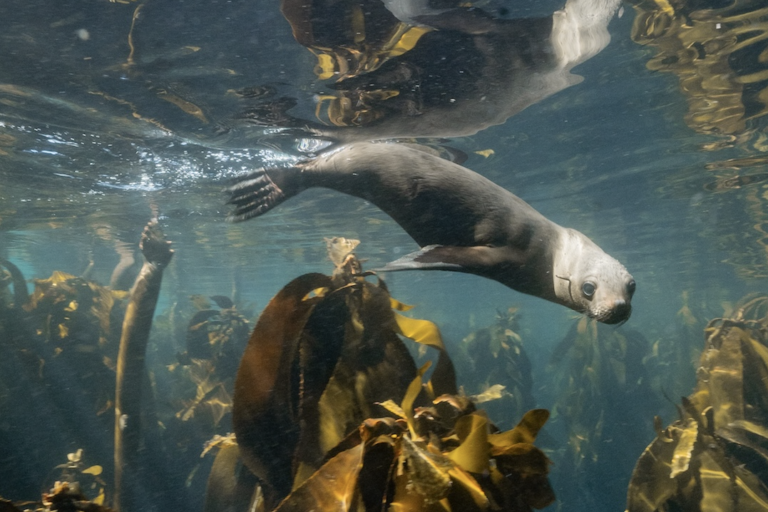
Kelp forests, vital ecosystems teeming with diverse marine life, are facing significant threats despite their ecological importance. Stretching over 1,300 kilometers from South Africa to Namibia, the Great African Seaforest is just one example of these underwater forests. These forests, rich in biodiversity, provide shelter, breeding grounds, and food for thousands of species.
However, despite their ecological significance, less than 2% of kelp forests worldwide receive meaningful protection. The warming of ocean temperatures, exacerbated by rising global temperatures, poses a major threat, potentially wiping out up to 25 million hectares of kelp forests by 2050. This looming crisis underscores the urgent need for increased protection and attention for kelp forests, akin to the conservation efforts for other marine ecosystems such as coral reefs and mangrove forests.
Written by urgent.news from Mongabay's reporting — not their text. Machine-written — may contain errors; check the original before relying on it.