Three Lincoln Laboratory technologies receive 2026 R&D 100 Awards
A secure operating system, a quantum microsystem platform, and a 5G interference-canceling algorithm are named among the year's most significant innovations.
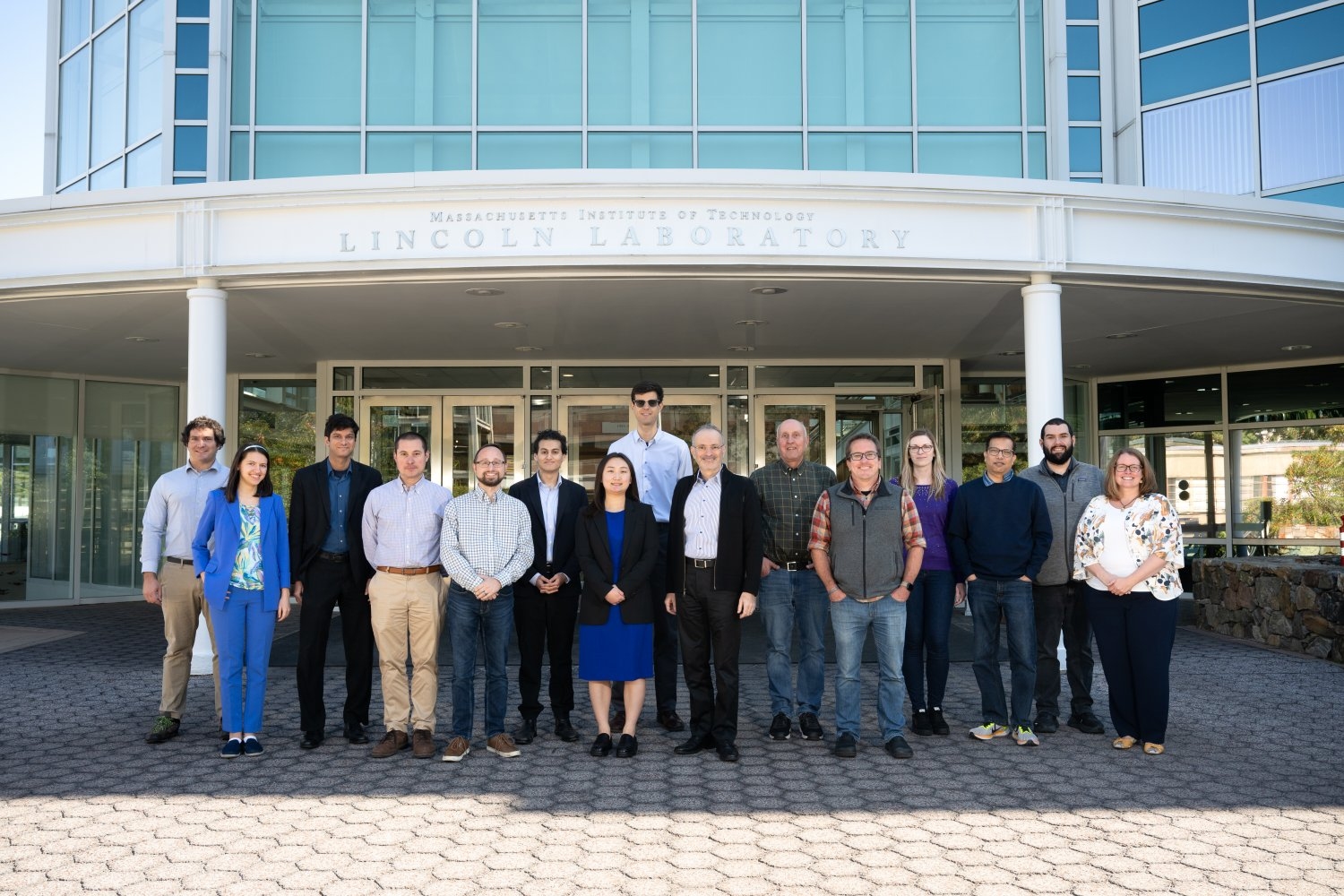
MIT Lincoln Laboratory has been honored with three technologies receiving the prestigious 2026 R&D 100 Awards. This annual competition, managed by R&D World since 1963, recognizes the 100 most significant innovations that have been transitioned to use or made available for licensing in the past year. A panel of independent experts from science, technology, and industry judged the contest.
The first award-winning technology is an operating system called Magnetite. Designed for embedded computers—like those in satellites, drones, and radars—it is built to withstand cyberattacks. Magnetite is based on the formally verified microkernel called seL4 and written in the Rust programming language. It also isolates system components to contain the impact of a cyberattack. Government agencies and approved partners can now utilize Magnetite, with plans to extend it to other domains.
The second technology is a wafer-scale platform for integrating superconductor and semiconductor chips. This platform addresses the interconnection bottlenecks in modern computing systems, particularly in quantum systems. By employing AI to determine optimal chip connections, lithography for custom wiring, and bump technologies for close connections, the Quantum Microsystems platform replaces traditional coaxial cables with integrated, lithographically defined flexible interconnects. This reduces complexity and system overhead, enabling efficient, data-driven mic
The third winner is an algorithm that mitigates interference from 5G base stations on co-channel radio frequency devices. This innovation ensures better performance and reliability for communications systems.
Written by urgent.news from MIT News AI's reporting — not their text. Machine-written — may contain errors; check the original before relying on it.