This surprise cost could derail your heat pump or EV charger installation. Here’s how to avoid it.
If all goes to plan, I will spend a grand total of zero dollars on an electrification project that could have cost me well over $10,000.
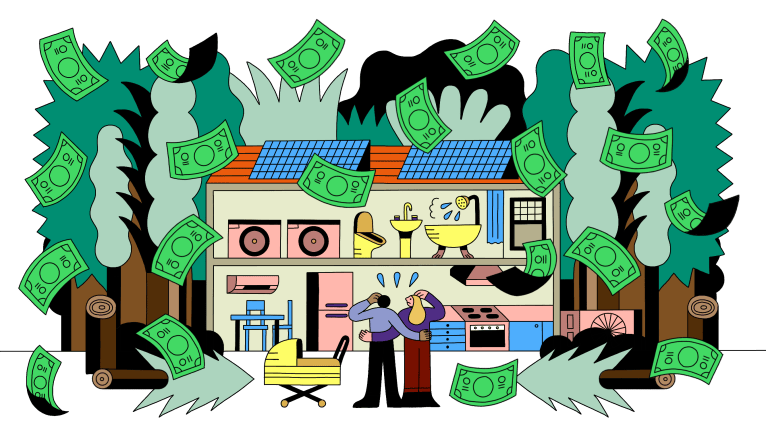
The push to electrify homes to reduce emissions has encountered a significant obstacle: the cost of upgrading homes' electric capacity. Homes built in recent decades typically have a 200-amp electric service, while older homes often lack sufficient capacity, with some having only 100 amps or less. A quarter of US homes fall into this category, with the share increasing in the Northeast to nearly half.
Adding energy-demanding appliances like heat pumps, induction stoves, and EV chargers can strain even a standard 200-amp panel, potentially exceeding the home's peak power limits. Upgrading an electrical service can cost between $10,000 to $20,000, particularly in rural areas, and estimates suggest thousands of homeowners may need to upgrade their service as they electrify their homes.
However, there are workarounds for those who know how to look. Installing smart panels that monitor circuit usage, load-sharing switches, or utilizing a lesser-known section of the electrical code, Section 220.87, which calculates peak demand using actual utility data instead of standard assumptions, can help avoid expensive service upgrades.
Written by urgent.news from Grist's reporting — not their text. Machine-written — may contain errors; check the original before relying on it.