The Toxic Vengeance of Capital Punishment
As states from California to Tennessee debate the death penalty, Dominic Erdozain argues that "a culture of vengeance tears at the fabric of democracy."
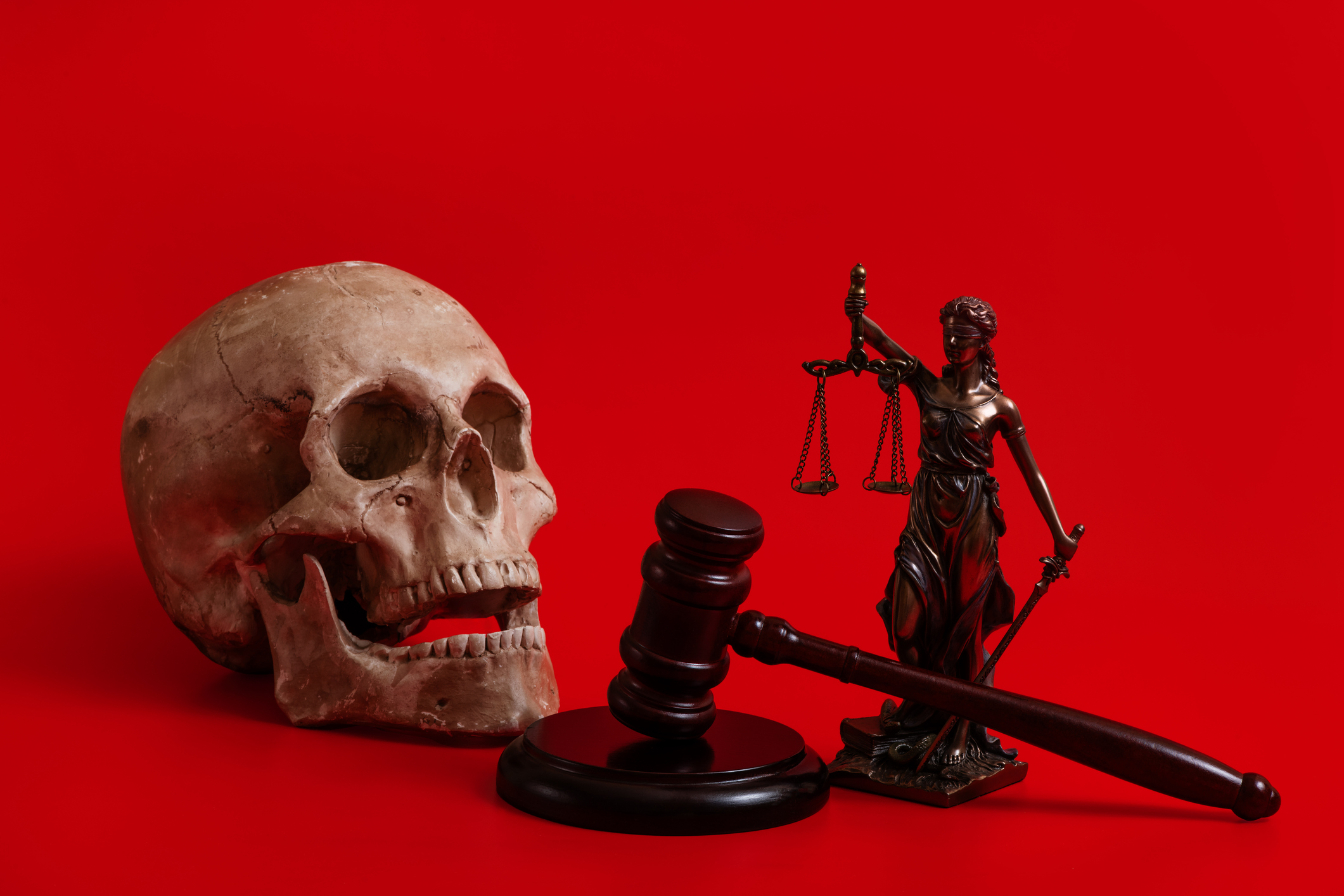
Kurt Vonnegut once remarked that two fundamental ideas have shaped human thought: energy and matter share similarities, and revenge is a bad idea. Vonnegut contended that Jesus embodied this perspective, positioning himself as a "Christ-worshipping agnostic." The novelist and humorist lamented the prevalence of vengeance in human nature, yearning for a world free from the "chain of death and destruction."
This desire for change is the primary reason behind his opposition to capital punishment and his disappointment in American society.
The prospect of Nidal Hasan's execution—responsible for the 2009 massacre of 13 U.S. soldiers—being radio-silenced in December drew mixed reactions. Interestingly, a narrow majority of Americans approve of both the death sentence and the method of execution, namely, the firing squad. In the wake of Christa Pike's botched execution in Tennessee, a crime committed during her teenage years, it is natural to question why we persist in executing individuals.
Pope Leo opposed the cruelty associated with the practice that denies "the possibility of redemption." However, this is both a political and religious matter. A culture of vengeance undermines the foundations of democracy. Two decades ago, legal scholar Terry Aladjem conducted a debate on the death penalty for his undergraduate class at the University of Massachusetts in Boston.
To his astonishment, nearly all students favored capital punishment. The debate erupted, with supporters vastly outnumbering opponents. Aladjem observed that America was not as he believed it to be.
Aladjem's subsequent book explored the pervasive nature of vengeance in American society, noting that talk shows, television justice, and politics all revolved around the topic. Liberal thought had previously dismissed vengeance as irrelevant to justice, but a politics of purity reinstated it, resulting in an absolutist, undemocratic approach.
The president who insists on "dead or alive" pursuit of terrorists and the contentious talk show host were akin to peas in a pod. Aladjem viewed the death penalty as problematic in its own right and as indicative of a broader societal issue.
Written by urgent.news from Time's reporting — not their text. Machine-written — may contain errors; check the original before relying on it.