The tears come first, then hope as Nigeria vaccinates against malaria
ORUMA (Nigeria), Nov 13 — The needle broke the skin, followed by wailing and the reassuring coo of “sorry, s...
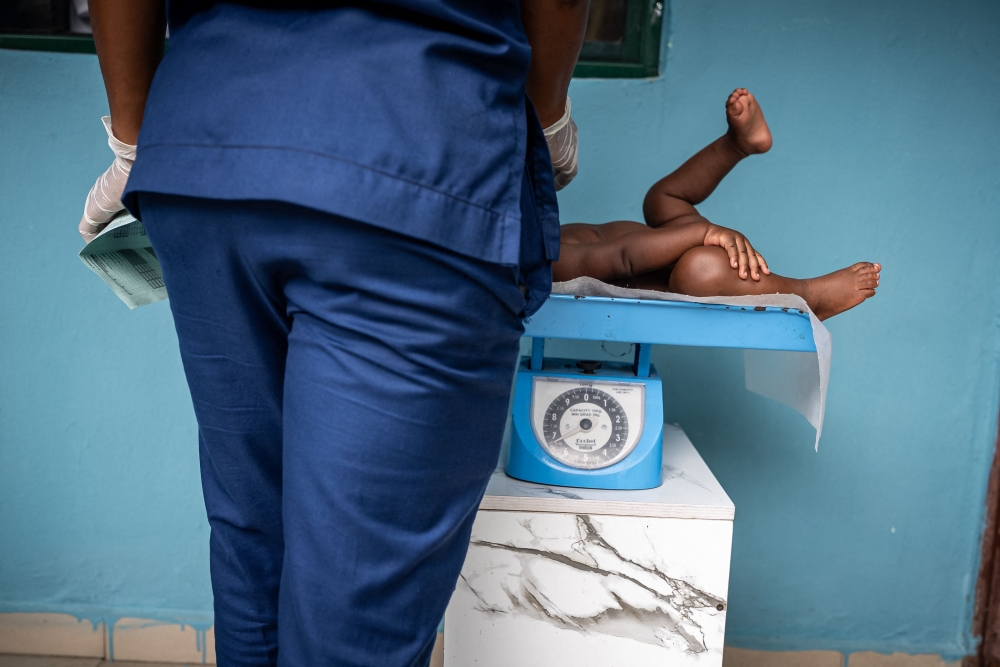
Oruma, a village in Nigeria, was one of the first to receive the world's first malaria vaccine in late 2024. The vaccine was met with high expectations as it aimed to reduce the devastating impact of the mosquito-borne disease, which claimed nearly 200,000 lives in Nigeria alone in 2024, and millions worldwide. As of November 13, 2024, more than 250,000 children in Oruma had been fully vaccinated, and a total of 1.8 million jabs had been administered.
Healthcare professionals and organizations like PATH acknowledged the vaccine's potential to revolutionize malaria control efforts. However, they emphasized that the vaccine does not offer complete protection against the disease. Despite this, Bayelsa state, where Oruma is located, has already witnessed an 18% decrease in the rate of malaria among children under five, a significant improvement considering the state's lagging bed net and preventative drug distributions.
In Oruma, infants receive a four-part immunization schedule over the first 15 months of life. The vaccine's effectiveness wanes over time, but the goal is to shield young children during their most vulnerable stages. Since the vaccine's introduction, there have been no reported child deaths due to malaria, according to the director of primary health care for the Ogbia local government area.
Despite the success on the local level, the rollout of the malaria vaccine in Nigeria has been slow, implemented in only four of the country's 36 states. Health workers are addressing challenges such as "dropout rates" between doses and reaching remote villages. In some instances, they've gone door-to-door to vaccinate children, particularly those who couldn't attend appointments due to lack of transportation.
While the oil wealth of states like Bayelsa does not automatically translate into improved healthcare infrastructure, the vaccine's arrival has brought renewed hope and determination to the battle against malaria. However, healthcare workers continue to face difficulties, including harsh weather conditions and the need for personal protective equipment to navigate the challenging landscape.
Written by urgent.news from Malay Mail's reporting — not their text. Machine-written — may contain errors; check the original before relying on it.
This story
This is one outlet's version. Read the fullest account.
- Jab by jab, house by house, Nigeria slowly rolls out malaria vaccine medicalxpress.com