‘That Nvidia guarantee is not worth what it was worth a week ago’: What Jensen Huang’s exit means for neoclouds
Neoclouds have the most to lose
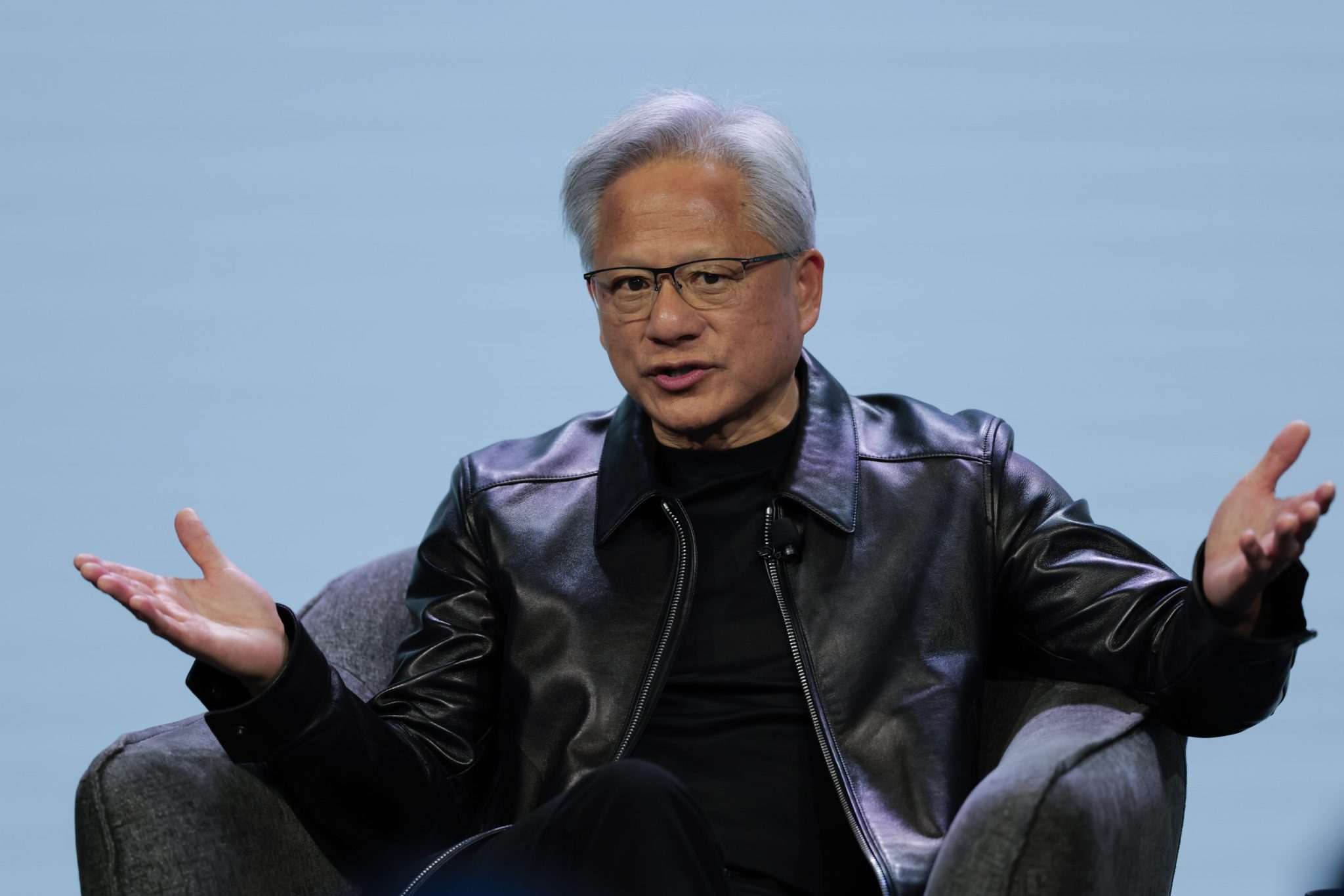
Jensen Huang's resignation from Nvidia has sent shockwaves through the AI industry, particularly impacting neoclouds that rely heavily on Nvidia's chips. CNN reports that Huang's exit follows his admission of an extramarital affair with a woman believed to be a Chinese spy. Colette Kress has stepped in as interim CEO, and Harvey Jones has been named the first chair of the board.
Nvidia's chips are crucial for AI model training, and Taiwan's TSMC manufactures these chips. Nvidia's involvement extends beyond sales, as the company guarantees the business of neoclouds like CoreWeave and Nebius, who purchase hundreds of thousands of these chips and rent them to AI labs. Nvidia also participates in a $500 billion financing platform, which may backstop up to $125 billion in debt for companies like CoreWeave.
CFO Colette Kress stated that if Nvidia's guarantee is no longer considered valuable, this could put neocloud businesses at risk. Kim revealed that Nvidia's backing reduces the risk for lenders, allowing them to offer lower interest rates for debt. With the departure of Huang, CoreWeave's stock dropped about 9%, while Nebius fell by 16%.
Nvidia's leadership change has resulted in a $450 billion loss in market value since Huang admitted to the affair. While Nvidia is expected to maintain its dominance in AI training for at least two to three years, the future of inference, or running trained models, is uncertain. There is a shift towards cheaper, specialized chips built for specific tasks, such as Qualcomm for robotics and TPUs developed by Google and Amazon.
AMD and Broadcom may gain ground as specialty chip makers, and Google and Amazon could potentially win by pitching their own chips to AI labs. Kim noted that TSMC could adapt quickly to shifts in capacity, as about two-thirds of it is currently allocated to Nvidia. The AI industry appears to be moving towards distributed edge compute, as the transition away from single-site data centers gains momentum following Huang's departure.
Written by urgent.news from Fortune's reporting — not their text. Machine-written — may contain errors; check the original before relying on it.