Sri Lanka: Rights groups sound alarm over proposed anti-terror law
The Sri Lankan government is looking to replace a controversial anti-terror law but critics say the new one is just as bad.
In Sri Lanka, rights groups have raised concerns over a proposed anti-terror law, the Protection of the State from Terrorism Act (PSTA), which aims to replace the existing Prevention of Terrorism Act (PTA). The tragedy that prompted the bill's creation is the 2019 Easter Sunday attacks that killed 270 people and injured over 500. However, critics argue that the new law might infringe on human rights and suppress democratic freedoms.
The families of the victims, like Ganesan from Batticaloa, still mourn their loved ones. Ganesan, whose daughter was killed in an attack on the Zion Church, remains skeptical about the new bill. He believes that while anti-terrorism laws are essential, they should not target the innocent or violate human rights.
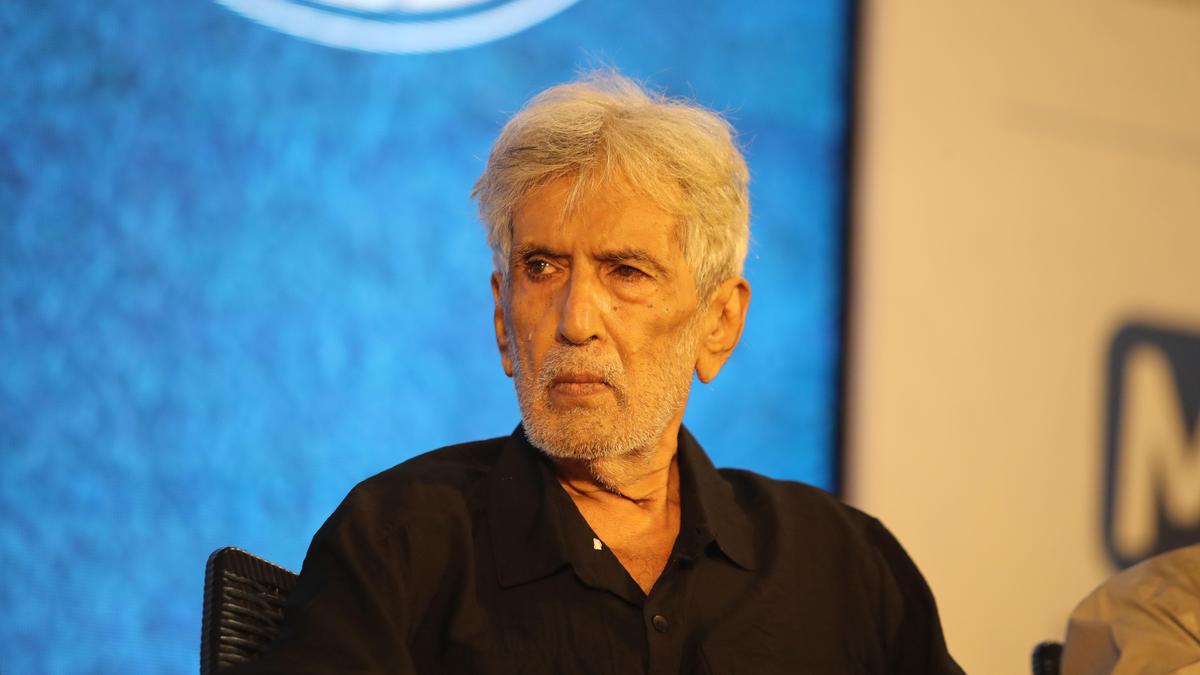
Lawyers and activists have criticized the proposed law for several reasons. Visakesa Chandrasekaram, a human rights lawyer, points out that the definition of terrorism in the bill is unclear, which may lead to violations of fundamental rights. Dhanushka Silva, another lawyer, claims that the PSTA is essentially a replica of the PTA and could be misused to suppress democratic freedoms and free speech.
Even social media posts could be scrutinized under Section 9 of the PSTA, and sharing content deemed a terrorism offense could lead to up to 15 years in prison.
The Office of the United Nations High Commissioner for Human Rights (OHCHR) has also expressed concern over the bill, urging the government to ensure it is consistent with international human rights law. The lack of robust safeguards against torture, ill-treatment, enforced disappearance, and coercive interrogation is of particular worry.
Despite these criticisms, the government maintains that the new law will not compromise civil liberties and press freedom. However, the draft law received criticism from the Supreme Court, which outlined several amendments that needed to be made before it could be passed. The United Nations and the European Union have also called for revisions, warning that failing to meet international human rights obligations could result in economic penalties for Sri Lanka.
Written by urgent.news from DW News's reporting — not their text. Machine-written — may contain errors; check the original before relying on it.
This story
This is one outlet's version. Read the fullest account.