Russia's 'hidden mobilization': The 'expendable' lives fueling Putin's war on Ukraine
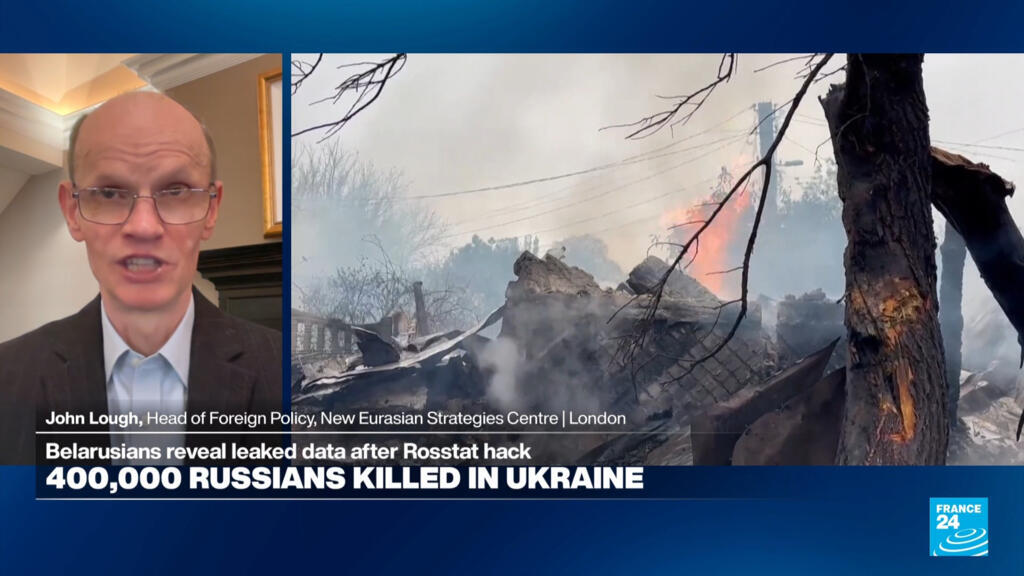
Erin Ogunkeye is pleased to welcome John Lough, Senior Research Fellow and Head of Foreign Policy & International Partnerships at the New Eurasian Strategies Centre (NEST Centre), He is also an Associate Fellow with the Russia & Eurasia Programme at Chatham House. Lough offers a sobering assessment of the social and strategic dynamics sustaining Russia's invasion of Ukraine. He argues that the…
The United States has requested Russia to introduce a new security agreement with Europe, aimed at reducing military tensions and addressing European concerns, according to a report by Axios on Wednesday, November 11. During meetings in Abu Dhabi, US President Donald Trump's envoys, Jared Kushner and Steve Witkoff, proposed the idea to Russian and Ukrainian officials.
The US seeks Moscow to present its security demands, alongside offering reciprocal measures to reassure European nations of its intentions. The proposal is part of efforts to negotiate a comprehensive European security arrangement alongside a potential peace deal between Russia and Ukraine. Kushner and Witkoff are set to meet with Russian President Vladimir Putin in Moscow on Thursday to reiterate the proposal.
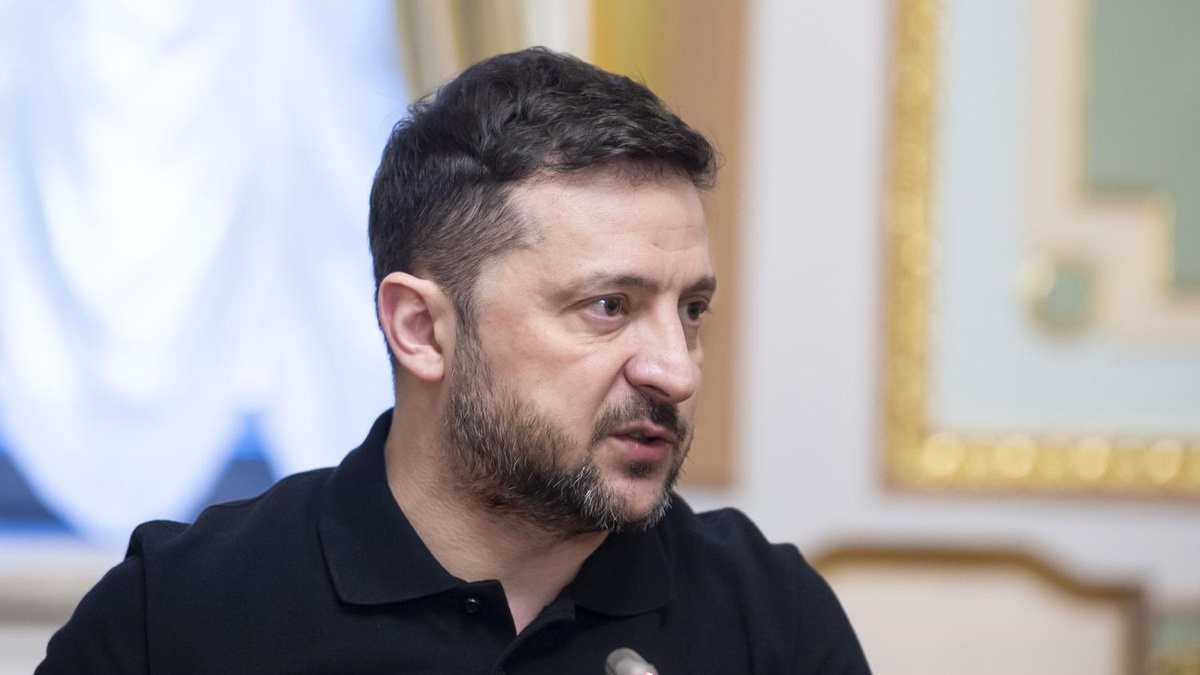
They also aim for Putin's agreement to include European representatives in upcoming Russia-Ukraine peace talks. The US envoys are subsequently scheduled to visit Dublin to converse with Ukrainian President Volodymyr Zelensky. This proposal for a new European security framework was a central topic during the Abu Dhabi talks, which marked the first occasion since February 2021 that Russian and Ukrainian officials engaged in discussions with US mediators.
During these discussions, Russian negotiators contended that President Putin initiated the invasion of Ukraine due to President Joe Biden's failure to respond to a 2021 letter presenting Moscow's security concerns. In response, Kushner and Witkoff informed Russian representatives that the situation had significantly evolved since 2021.
They urged Russia to submit a fresh proposal, outlining its de-escalation measures and concessions, to facilitate European acceptance. Russia has thus far opposed European involvement in the negotiations, with Russian presidential adviser Vladimir Medinsky criticizing several European governments for contributing to the war. The White House aims to simultaneously negotiate the Russia-Europe security framework and a Ukraine peace agreement, although implementation of the broader security arrangement would follow an agreement to cease hostilities, as per a source familiar with the administration's stance.
European diplomats express skepticism towards the proposal, with European Commission President Ursula von der Leyen stating that discussions on a new security architecture involving Russia should only transpire after the war in Ukraine concludes.
Written by urgent.news from Hindustan Times - World News's reporting — not their text. Machine-written — may contain errors; check the original before relying on it.
This story
This is one outlet's version. Read the fullest account.
- Russo-Ukrainian war, day 1722: Russia sends heavier team to Abu Dhabi peace talks, but its negotiators insist on Kremlin’s original war aims euromaidanpress.com
- US asks Russia to propose new security deal with Europe as Trump pushes for Ukraine peace talks: Report hindustantimes.com
- Ukraine peace talks: US envoys arrive in Russia to meet with Putin dw.com
- US urges Russia to offer Europe new security deal, pushes for European role in peace talks – Axios en.interfax.com.ua
- US envoys arrive in Russia for Putin meeting after Ukraine talks lemonde.fr
- Zelenskyy to meet US envoys in Dublin after Russia peace talks euronews.com
- Over 11,000 foreign military deaths recorded by Russia in war on Ukraine japantimes.co.jp
- Ukraine and Russia agree to large prisoner swap after US-mediated talks abc.net.au