Ron Howard finally embraces a subject’s complexities with his Richard Avedon documentary
Ron Howard unpacks the artistic and political legacy of Richard Avedon without smoothing anything out, for once.
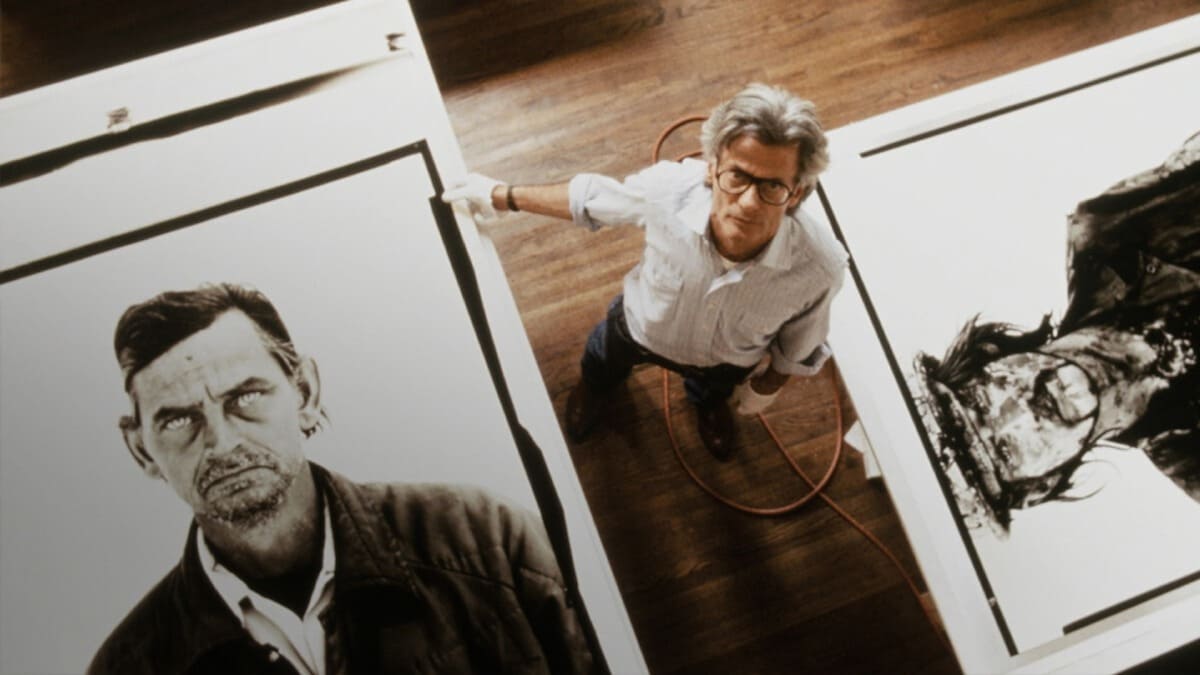
Richard Avedon was a renowned fashion photographer, known for his powerful close-ups and playful poses that graced countless magazine covers. His work captured iconic figures like Marilyn Monroe, Twiggy, and the Beatles, as well as the likes of Charlie Chaplin. The documentary "Avedon" by Ron Howard delves into Avedon's extensive career, showcasing both his glamorous fashion spreads and his lesser-known, more political works.
Avedon's photography extended beyond the glamorous, delving into the lives of everyday people. Howard's documentary highlights Avedon's unique ability to elevate the stories of these individuals, often overlooked or ostracized. By using his studio's white backdrop and sleek studio setting, Avedon made these subjects the center of attention, challenging viewers to consider the humanity in all his subjects.
Going beyond Avedon's fashion photography, Howard explores the photographer's ideology and the political nature of his work. Avedon's collaboration with James Baldwin resulted in the powerful photo book "Nothing Personal," which featured portraits of people of different races, capturing both their joy and anguish. Avedon also photographed Martin Luther King Jr. and Malcolm X during the Civil Rights Era, giving them the respect and space that many magazines were hesitant to provide.
One of the most personal aspects of Avedon's work was his series of photographs of mental health patients at Bellevue Hospital. These images, taken to draw attention to the often hidden individuals, were deeply personal for Avedon, as his sister Louise, who was often his first model, had died in a mental institution. Howard balances Avedon's famous glamour images with these more politically charged works, dedicating equal time and commentary to both.
The documentary also sheds light on Avedon's creative process, revealing the artist behind the photographer. Howard profiles Avedon's work during the Chicago Seven trial, where he lined up the defendants against his signature white backdrop, creating a visual juxtaposition of a fashion shoot and a police book. Avedon's visual concept of crowding together nameless bureaucrats responsible for atrocities in Vietnam also demonstrates his commitment to humanizing those often left unnamed in history.
Howard's approach to "Avedon" reflects his comfort with exploring the complexities of his subjects, a quality that sets this documentary apart from his other biopics. By delving into Avedon's workaholic tendencies, familial absence, and the fallout from his dedication, Howard presents a richer and more nuanced portrait of the legendary photographer. "Avedon" ultimately celebrates Avedon's political dedication, while acknowledging the contradictions and flaws that make humanity so fascinating.
Rewritten by urgent.news; may contain errors — check the original.
Sources: avclub.com · nytimes.com