Rethinking Owned Warehouses as a Capital Allocation Decision
Owning the building a business operates in is a capital allocation decision, not a given.
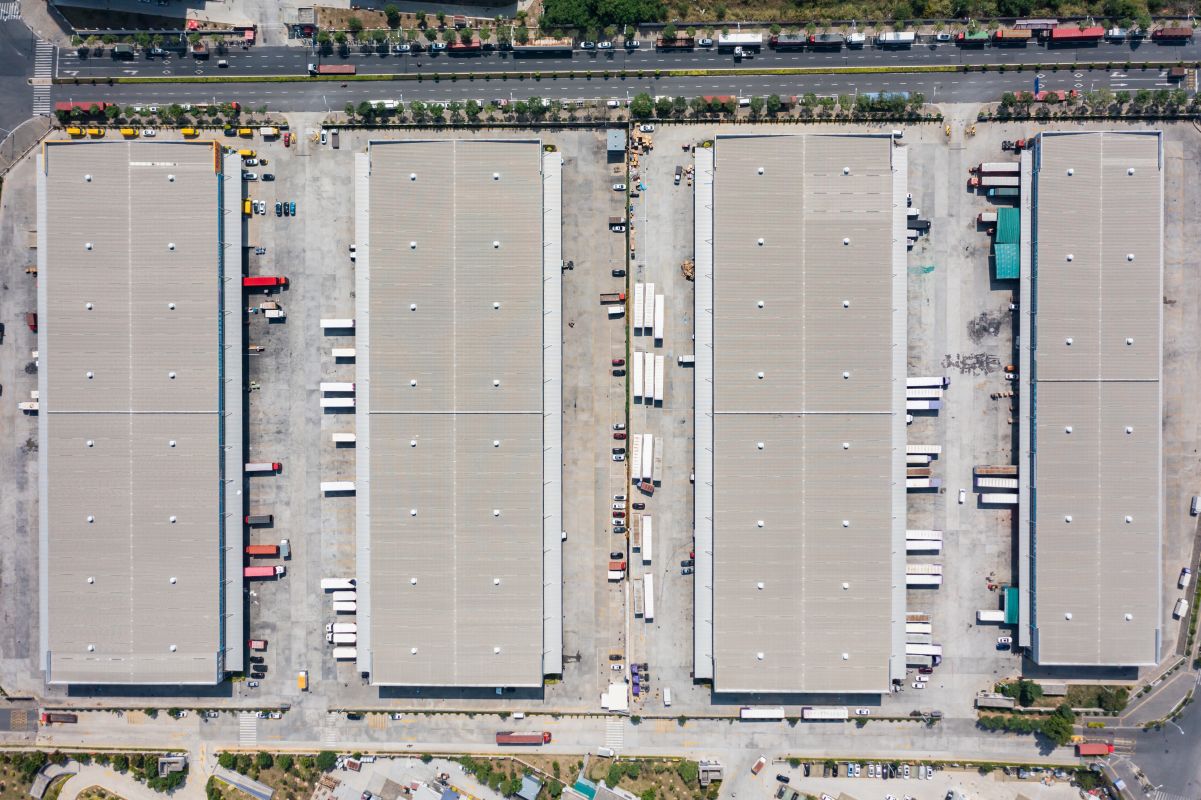
Warehouses and distribution centers are vital to supply chains and can also provide capital for companies. Due to high interest rates, capital is expensive, making the sale leaseback method an attractive option for CFOs of companies with owned warehouse properties. A sale leaseback involves selling a property and leasing it back, unlocking capital and allowing for a more efficient capital structure.
There has been increased activity in the second quarter of 2026, with 178 transactions and a 27% increase in dollar volume to $4.6 billion. Industrial properties accounted for 42% of the transactions, indicating a receptive market for warehouse owners' real estate. In July 2026, PetMed Express announced a $37 million sale leaseback of its Delray Beach, Florida distribution center and headquarters.
Scholastic completed a $95 million sale leaseback of its Jefferson City, Missouri distribution facility in December 2025, while REI Co-op sold $230 million worth of distribution centers in Washington, Pennsylvania, Arizona, and Tennessee in February 2025. While companies hesitate to sell critical facilities, sale leasebacks can provide financial flexibility and unlock capital without giving up the facility.
Negotiations include lease terms, rent, maintenance, taxes, insurance, and change-of-control provisions. A sale leaseback is best for warehouse owners who plan to remain in the facility for years and have a specific use for the proceeds, generating more capital than conventional mortgages.
Written by urgent.news from Supply Chain Brain's reporting — not their text. Machine-written — may contain errors; check the original before relying on it.