Renting in Korea: What foreign residents should know before signing
The cultural pull of the Korean wave and the availability of jobs have drawn growing numbers of foreign nationals to Korea. As of July, 2.9 million were living in the country, a record high, with the vast majority staying long term, according to data from the Ministry of Justice. For many, settling in Korea means navigating a housing market that can be daunting even for locals. Kim Tae-soo, a…
Korea's popularity among foreigners has surged, with over 2.9 million non-residents calling the country home as of July, according to Ministry of Justice data. This record high figure indicates a long-term trend, as most newcomers remain in the nation. Navigating Korea's real estate landscape can be a daunting task for even locals, let alone newcomers.
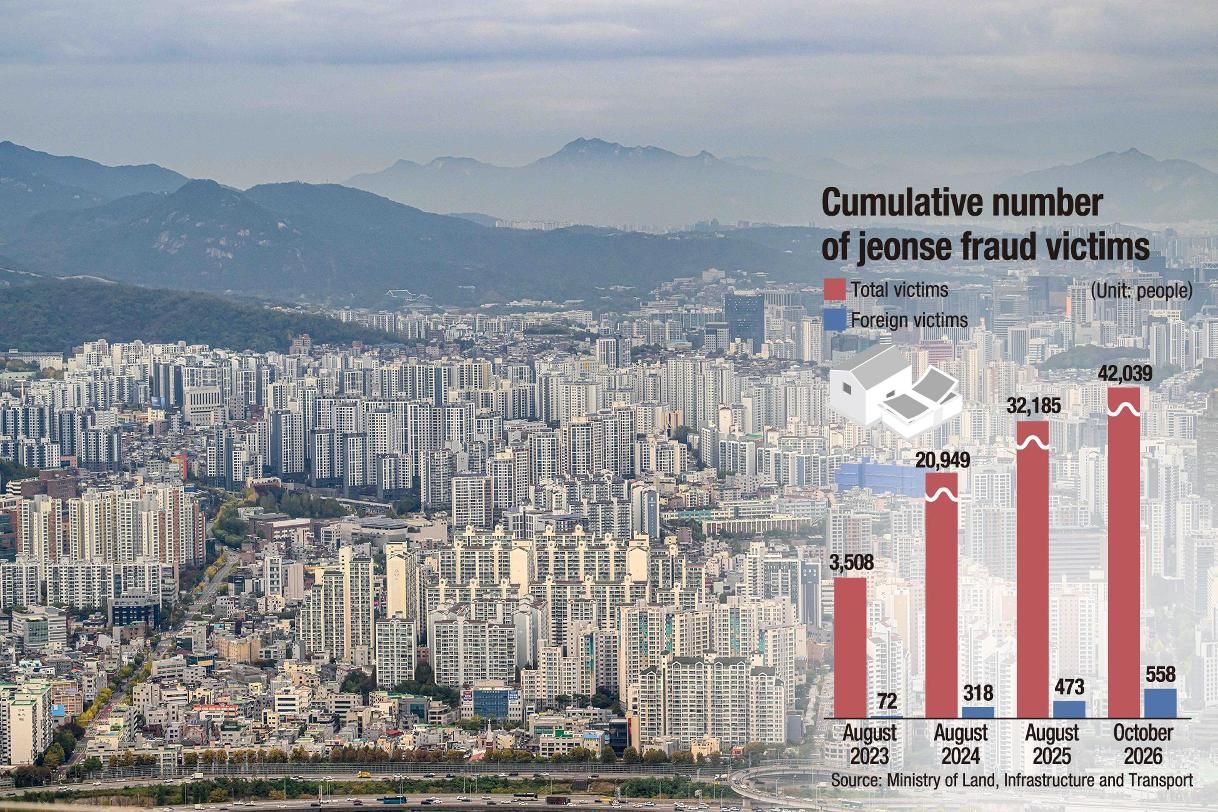
Kim Tae-soo, a seasoned real estate investment adviser, has witnessed firsthand the challenges that foreign residents face when trying to understand the nuances of the Korean rental system. One of the most significant obstacles, he explains, is Korea's unique rental arrangement known as "jeonse." Under this system, tenants are required to pay a large initial deposit to the landlord, rather than making monthly payments like in many other countries.
The deposit is intended to be returned in full once the lease ends, usually after a two-year period. Despite monthly rentals also demanding substantial deposits compared to those in numerous other nations, Korea's housing laws place a heavy emphasis on ensuring tenants meet specific conditions to safeguard these often considerable sums.
Many people, especially expatriates, remain unaware of these intricacies and the potential risks involved in such agreements.
Written by urgent.news from The Korea Times's reporting — not their text. Machine-written — may contain errors; check the original before relying on it.
This story
This is one outlet's version. Read the fullest account.
- Renting in Korea: What foreign residents should know before signing koreatimes.co.kr