Quantum leap: IBM plans to scale beyond 1,000 qubits in 2027 with Nighthawk r3 processor
New unit sports more qubits and is planned to be part of future fault-tolerant rig
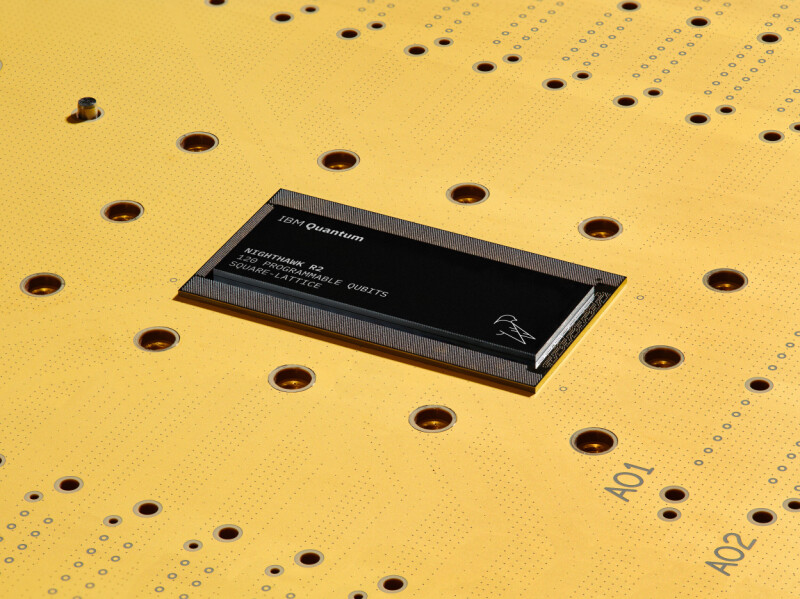
IBM has introduced the Nighthawk r3, a next-generation quantum processor equipped with 520 qubits, as part of its strategy to develop a fault-tolerant quantum system by 2029. The company's current Nighthawk r2, launched in September, contains 120 qubits and can manage circuits with 7,500 operations. IBM asserts that the Nighthawk r3 will possess more than four times the qubit count and be able to perform 10,000 quantum operations, addressing larger and more intricate problems while preserving speed and precision.
The Nighthawk r3 is scheduled to launch in 2027, with IBM intending to merge two of these processors into a single system housing over 1,000 qubits. Applications necessitate circuits executing thousands of quantum operations on approximately 100 qubits or more, necessitating efficient sample collection for complex computations. Speed is crucial for completing such demanding tasks within feasible timeframes and at a reasonable cost.
The new processor will incorporate 10 chip-to-chip interconnects, known as l-couplers, designed for interconnecting processors and facilitating the creation of a 1,040-qubit system. This technology was validated using Nighthawk r1 processors. IBM had previously set a goal to achieve reliable error correction by 2029 with a quantum processor called Starling.
Now, they aim for Starling to be the world's first fault-tolerant quantum computer, capable of executing quantum circuits with 100 million operations on 200 logical qubits. This ambitious objective, given the ongoing challenge of fault-tolerant quantum technology, appears increasingly feasible due to growing activity in developing quantum-resistant algorithms.
However, skepticism remains, with some experts questioning the practical factors that may impact the timeline and success of such a system.
Written by urgent.news from The Register's reporting — not their text. Machine-written — may contain errors; check the original before relying on it.