Q&A: From seed funding to scientific breakthroughs
How the MIT Global Seed Funds helped Professor Matt Shoulders and his team build international collaborations that continue to shape his research more than a decade later.
The MIT Global Seed Funds (GSF) serve a vital purpose beyond launching research projects. They cultivate international collaborations that enable ambitious science to flourish. By supporting early-stage collaborations with researchers worldwide, the GSF empowers faculty to test novel ideas, exchange expertise, and establish foundations for groundbreaking discoveries that often surpass the initial award's scope.
Matt Shoulders, a professor of chemistry and department head, has witnessed these impacts firsthand. Since securing his first GSF grant in 2013, the collaborations facilitated by these grants have resulted in major research programs in protein engineering, photosynthesis, collagen biology, and gene-editing technologies, along with subsequent funding.
The GSF facilitates connections between MIT faculty and researchers abroad, enabling early-stage, publishable research collaborations with institutions at academic universities and public research centers globally. Administered by the Center for International Studies, the GSF has allocated over $30 million to more than 1,300 faculty research projects since its inception in 2008. The current call for proposals from MIT faculty and researchers with principal investigator status remains open until December 3.
What sets the Global Seed Funds apart from other programs? The GSF is an exceptional method for fostering international collaborations that few schools can replicate. It establishes robust relationships with scientists who share complementary research, leading to synergistic and transformative outcomes. Shoulders notes that the GSF has served as a critical bridge-building mechanism, connecting him with experts in various fields, ultimately yielding major research breakthroughs.
Shoulders' experience with the GSF began in 2012 when he received his first grant. This opportunity allowed him to connect with an expert in his field, eventually leading to his first major NIH funding—a Director's New Innovator Award of nearly $2 million. This grant became the cornerstone of a major research project in protein engineering that remains central to his lab's work. Over time, these collaborations have expanded in numerous directions, generating opportunities for diverse scientific advancements.
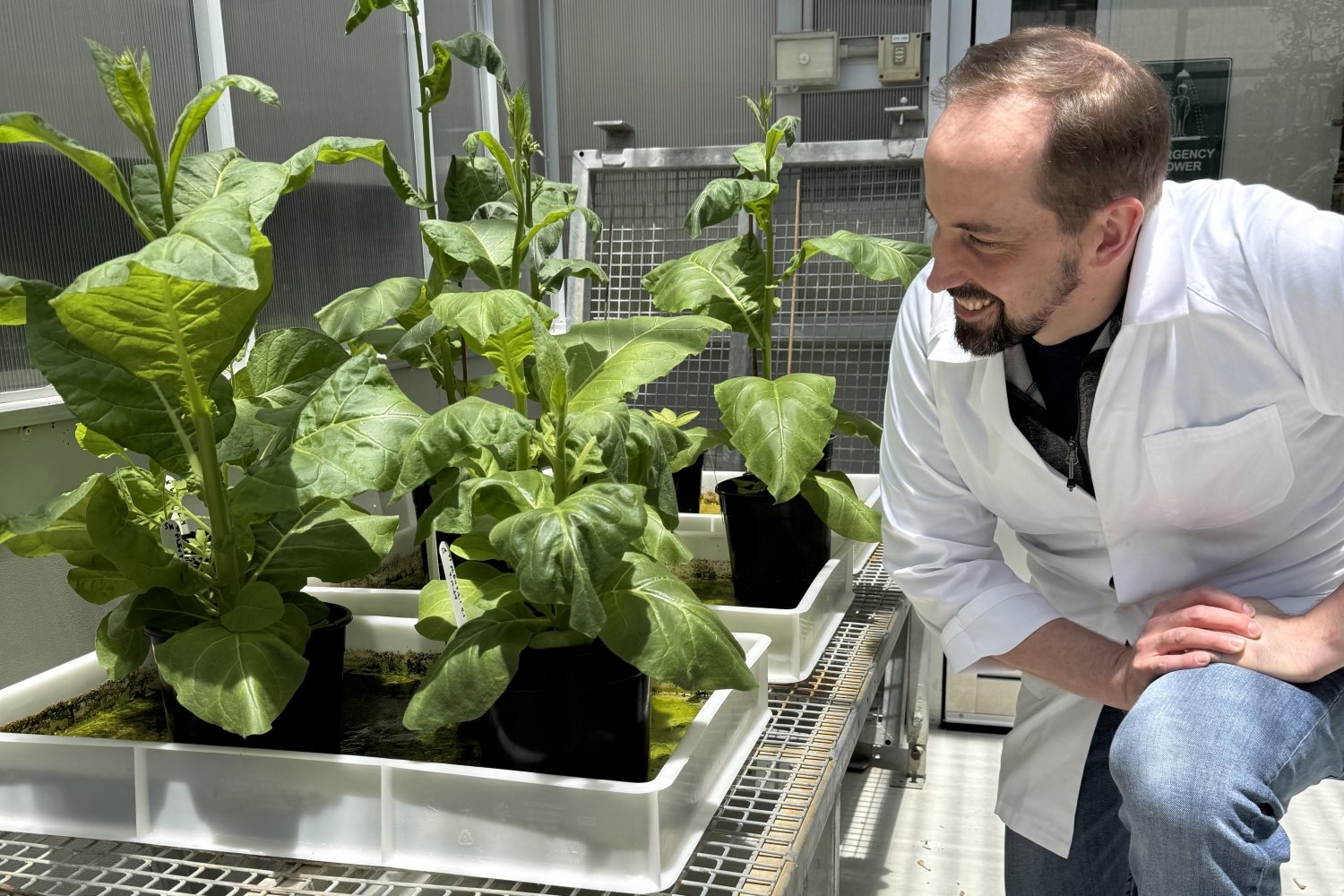
Several notable research projects have emerged from these collaborations. One focuses on engineering photosynthesis, a critical endeavor given global food demands, climate change, and resource scarcity. The GSF grant enabled Shoulders to collaborate with a lab in Australia, bringing their specialized assay expertise to MIT. This partnership has since secured major foundation funding, produced publications, patents, and significant scientific progress.
Another example involves collagen biology, where Shoulders met an Australian researcher at a conference, recognizing complementary expertise. The GSF provided funding to establish this collaboration, leading to the development of cartilage organoids that model collagen-related diseases. Subsequent NIH grants have supported this research program, resulting in valuable insights and potential drug therapies.
Shoulders' initial GSF grant, awarded in 2013, directly paved the way for his groundbreaking work on directed evolution in human cells. This innovation involves adapting adenovirus techniques to work within human cells, leading to the publication of the first paper demonstrating CRISPR-Cas9 evolution inside human cells—a platform that originated from the GSF-funded grant.
These collaborations have not only propelled Shoulders' research but have also profoundly benefited MIT students. Most projects involve graduate students, who often derive substantial benefits, with many publishing papers and completing dissertations based on these collaborations. Undergraduate involvement has also been invaluable, with students spending summers abroad supported by the MIT International Science and Technology Initiatives (MISTI), further enriching their academic experiences and scientific contributions.
Written by urgent.news from MIT News Research's reporting — not their text. Machine-written — may contain errors; check the original before relying on it.