Power balance tilts against US-Israel combine in West Asia
With the Republican Party losing its clout in the US Congress in the wake of the recent midterm election setback the power balance in West Asia could very well be tilting against the US-Israel combine for the first time in decades. In all probability the Republican administration would from now on be challenged to initiate […]
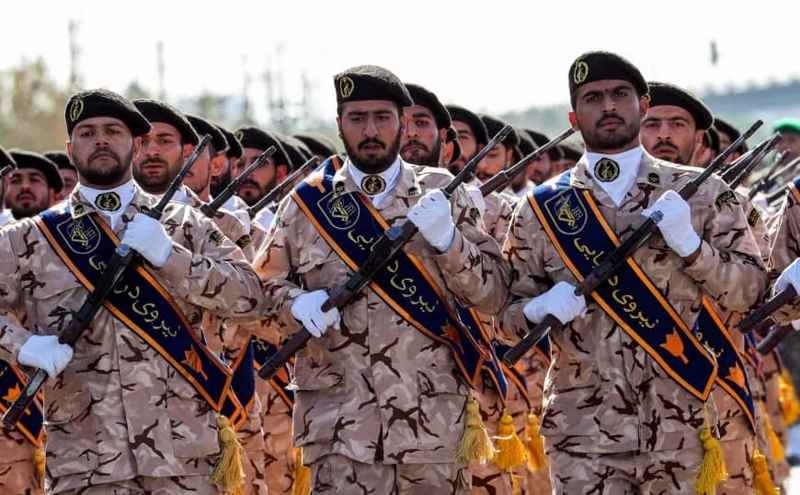
The Republican Party's diminished influence in the US Congress following the recent midterms may lead to a shift in the power dynamics in West Asia, favoring Iran for the first time in decades. Iran now holds a commanding position due to the ongoing political and military turmoil in the region. Iran has issued seven conditions to the US, aimed at bringing the conflict within manageable limits.
The US administration is currently struggling to regain its policy coherence after its recent electoral setback, and it is yet to fully consider the conditions presented by Iran.
The US public, however, is facing a "cost of living shock" due to the ongoing war in West Asia, which is impacting their economic well-being. If the US administration successfully delivers relief to the general populace, it may continue to witness a decline in its popularity and power. The conditions that could potentially impact the political fortunes of the US centre include the lifting of the US naval blockade on Iran, reopening of shipping lanes, and the release of frozen Iranian assets.
These conditions are of crucial importance, as they would not only exacerbate the hardships faced by both Iranian and US citizens, but also have broader global implications.
The urgency of addressing Iran's demands lies in the political consequences stemming from the midterms, which could influence the US administration's willingness to engage in negotiations. However, the administration may opt to wait for a more stable situation and clearer policy direction before responding to Iran's demands. This could result in the US administration potentially reconsidering the level of financial and material support it provides to Israel, which could strain the existing alliance.
Nevertheless, Israel's military power is unlikely to significantly diminish, given its self-sufficiency in various aspects in the past.
The possibility of opposition leader Gadi Eisenkot forming the next Israeli government introduces a more centrist and less hardline political approach. A Democratic Party-controlled Congress may pressure the Trump administration to consider negotiations and find political solutions to the outstanding issues in West Asia. An incoming Democratic administration would need to focus on several fronts, including ending conflicts and war in the Middle East, reducing defense spending, and stimulating the domestic economy.
Ultimately, a two-state solution is essential, and the incoming administration must encourage Israel's neighbors, including Iran, to cooperate in finding peaceful and negotiated solutions to the region's problems.
Written by urgent.news from The Island Sri Lanka's reporting — not their text. Machine-written — may contain errors; check the original before relying on it.