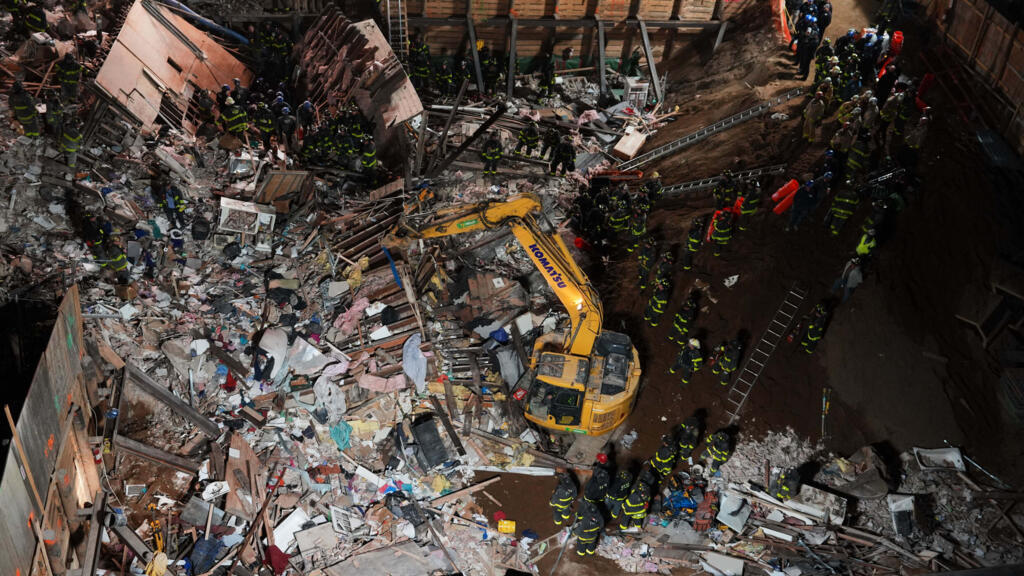
Our floods are predictable but is our preparedness erratic?
The measure of preparedness is not simply how much help appears when waters rise, but how much avoidable suffering we can prevent.
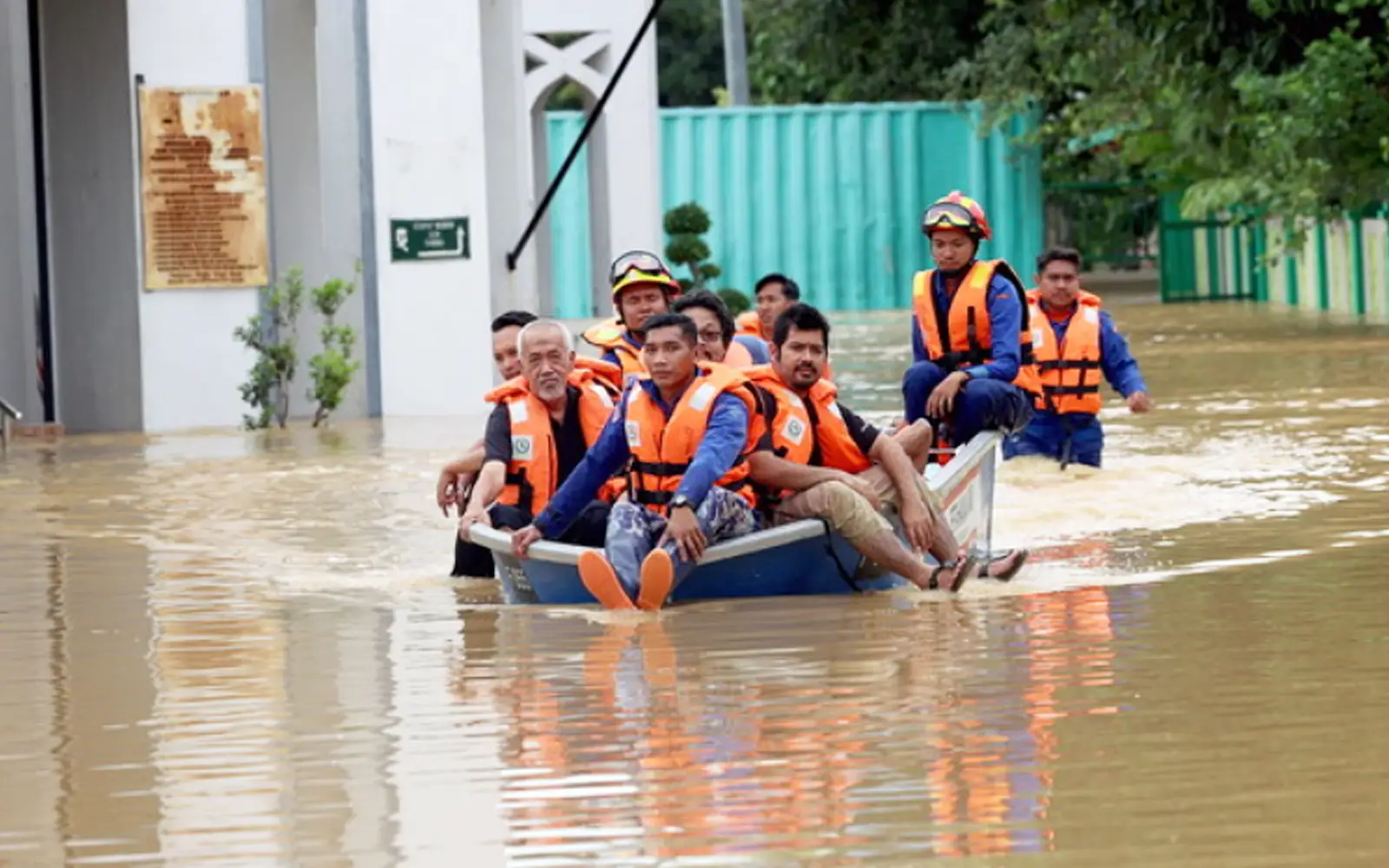
While many Malaysians eagerly anticipate year-end holidays, residents along the east coast anxiously monitor the skies for monsoon downpours. Prolonged rainfall has caused rivers to swell and isolated villages to become inaccessible. The threat of flash floods is particularly imminent for city dwellers in Kuala Lumpur and the Klang Valley, where roads can become overwhelmed within minutes. The patterns of flooding may differ, but the common concern remains: will aid reach affected individuals when it is most needed?
The northeast monsoon began on October 27, prompting the meteorological department to forecast three to five episodes of prolonged heavy rain between November and January. Although precise predictions about which streets will flood are impossible, the season itself provides a clear opportunity for preparation. The consequences of flooding extend far beyond property damage; people can drown, suffer injuries, or develop infections from contaminated water. Families may lose essential medication or struggle to evacuate due to compromised transportation.
Malaysia already possesses several established frameworks for disaster management. The National Disaster Management Agency (Nadma) coordinates disaster management across national, state, and district structures through assigned responsibilities and guidelines for businesses and voluntary organizations. Community-based disaster risk management programs empower residents to understand local risks and devise action plans.
Rakan Nadma facilitates civil society involvement in these efforts. While these foundations are valuable, the real challenge lies in determining whether they effectively function during actual emergencies.
Emergency medical teams regularly conduct disaster exercises to assess the preparedness of local authorities, healthcare providers, and community groups. However, these exercises should incorporate flood scenarios to ensure that districts can identify and assist individuals who require special assistance, such as older residents needing healthcare or dialysis.
Furthermore, the role of Malaysia's civil society organizations deserves attention. During the November 2025 floods in Hat Yai, Thailand, Malaysian Sikh humanitarian organizations, volunteer fire brigades, and other groups collaborated with authorities to evacuate 6,222 stranded Malaysians. Such collective efforts highlight the potential of organized citizens to contribute to disaster response.
To optimize this capacity, districts should identify and document organizations with trained boat crews, trucks, kitchens, healthcare teams, and storage space. A streamlined process should be established for new groups to assess their capabilities and receive meaningful assignments.
Effective communication, protective equipment, and clarity regarding operating costs are vital components of any preparedness plan. While courage is essential, it cannot substitute for safety measures. Reliable information is equally crucial; previous floods have demonstrated that relief supplies were sometimes delivered exclusively to certain evacuation centers while others remained underserved.
Instead of relying solely on new apps, responders need a shared, updated platform to track what is needed, who has been assigned, and whether assistance has arrived. This platform must also account for families remaining at home and be accessible even during disrupted communications.
Preparedness is not solely the federal government's responsibility; local councils must maintain drainage systems and address known flood-prone areas. Health facilities should test their ability to provide essential treatment during flooding, and businesses can contribute by offering transport, storage, and volunteer assistance. Residents associations can identify vulnerable neighbors and conduct evacuation drills. Households with the means should prepare medicines, essential documents, and emergency contacts.
However, the government must provide infrastructure, professional rescue services, and protection for vulnerable populations. Flood defenses remain necessary, although no system can eliminate all risks. Investing in flood prevention measures complements efforts to prepare people and services for flooding. Ultimately, the true measure of preparedness is not merely the speed at which aid appears when waters rise but how much avoidable suffering is prevented before the floods occur.
The responsibility of preparedness extends beyond merely responding to the crisis; it entails ensuring that communities remain safe and healthy even in the absence of imminent flooding.
Written by urgent.news from Free Malaysia Today's reporting — not their text. Machine-written — may contain errors; check the original before relying on it.
This story
This is one outlet's version. Read the fullest account.
- Our floods are predictable but is our preparedness erratic? freemalaysiatoday.com