Noctua brings space-grade carbon nanotube thermal pad to AMD AM5 and AM4 processors
Noctua says the NT-CP1 uses carbon nanotubes originally developed for aerospace applications, with the material gradually adapting to microscopic surface imperfections to improve heat transfer over repeated heating and cooling cycles.
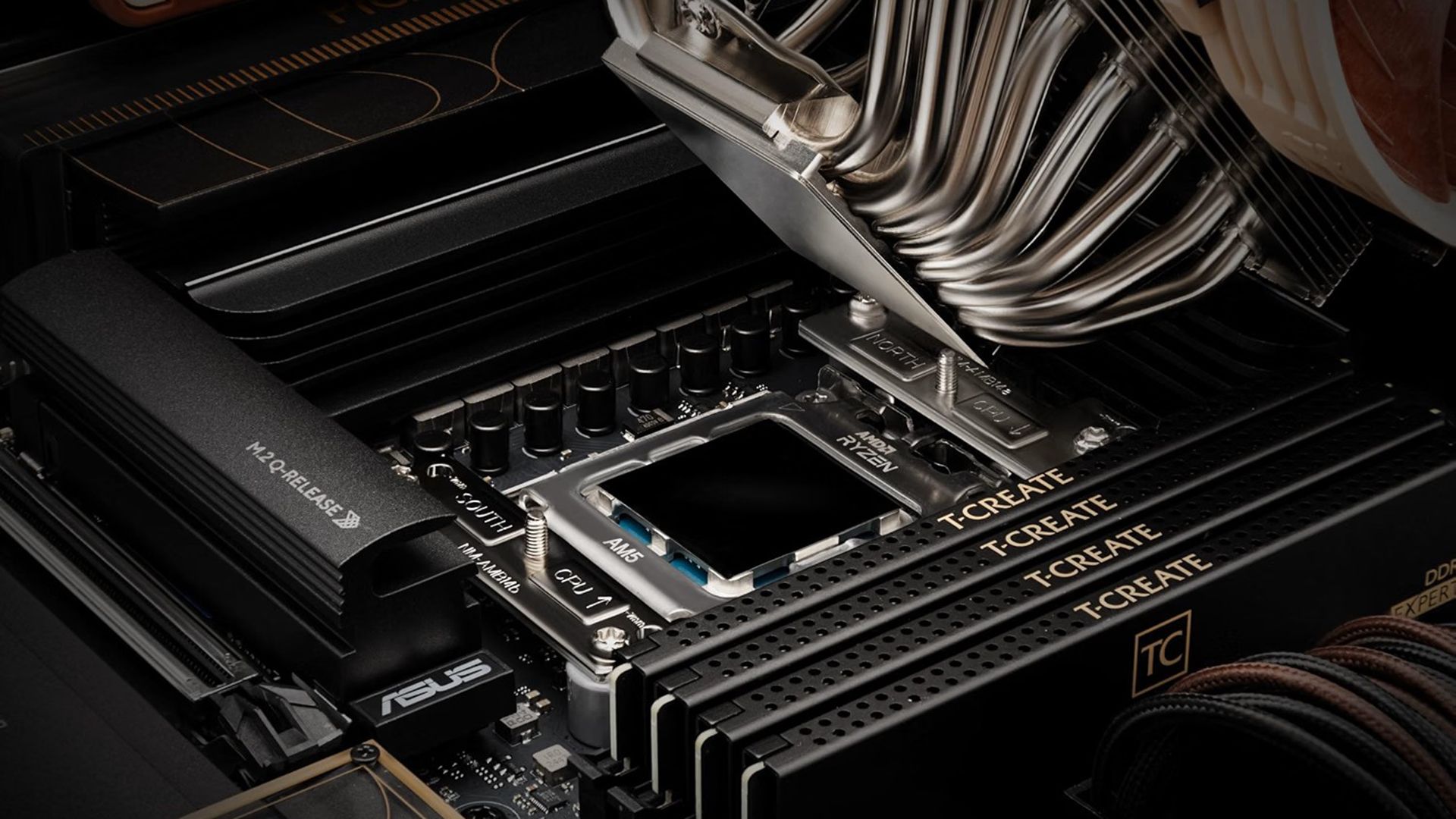
Austrian cooling company Noctua has introduced its latest innovation, the NT-CP1 AM5/4 Carbice carbon nanotube thermal pad, to the market for AMD AM4 and AM5 processors. This premium thermal pad, priced at $24.95 in the US and €24.95 in Europe, is now available for purchase on Amazon.
Conventional thermal pastes and pads tend to deteriorate over time due to various factors, but Noctua's new NT-CP1 utilizes Carbice's vertically-aligned carbon nanotube technology, originally developed for aerospace systems. The carbon nanotubes gradually adapt to the microscopic imperfections of a CPU’s IHS during hundreds to thousands of thermal cycles, enhancing heat transfer performance during the initial activation period instead of gradually degrading.
This unique thermal pad maintains stable, maintenance-free performance for years after the initial activation phase, making it suitable for users seeking consistent thermal performance without the need to replace degraded thermal paste periodically. Noctua CEO Roland Mossig highlights that the NT-CP1 is not only easy to install but also never needs replacement.
The NT-CP1 features an aluminum backbone sandwiched between layers of carbon nanotubes, ensuring durability against brittleness, slipperiness, and electrical conductivity typically found in conventional thermal pads. A nanoscale polymer coating protects the pad, making it more robust, easier to handle, and less likely to move during installation.
With a thin 90µm profile and a precut 33x33mm size, the thermal pad is compatible with both AM5 and AM4 socket processors. Noctua emphasizes its energy-efficient manufacturing process, which utilizes recycled aluminum and waste carbon gas to create the carbon nanotubes. The company claims that this process is more environmentally friendly compared to traditional graphite and graphene-based pads, while the aluminum structure allows for easy recycling through standard aluminum recycling channels.
Written by urgent.news from Tom's Hardware's reporting — not their text. Machine-written — may contain errors; check the original before relying on it.