Nissan Reports Tough Market Conditions in China
Chinese government subsidies for automakers building cars running on fuels other than gasoline prompted a huge increase in supply...
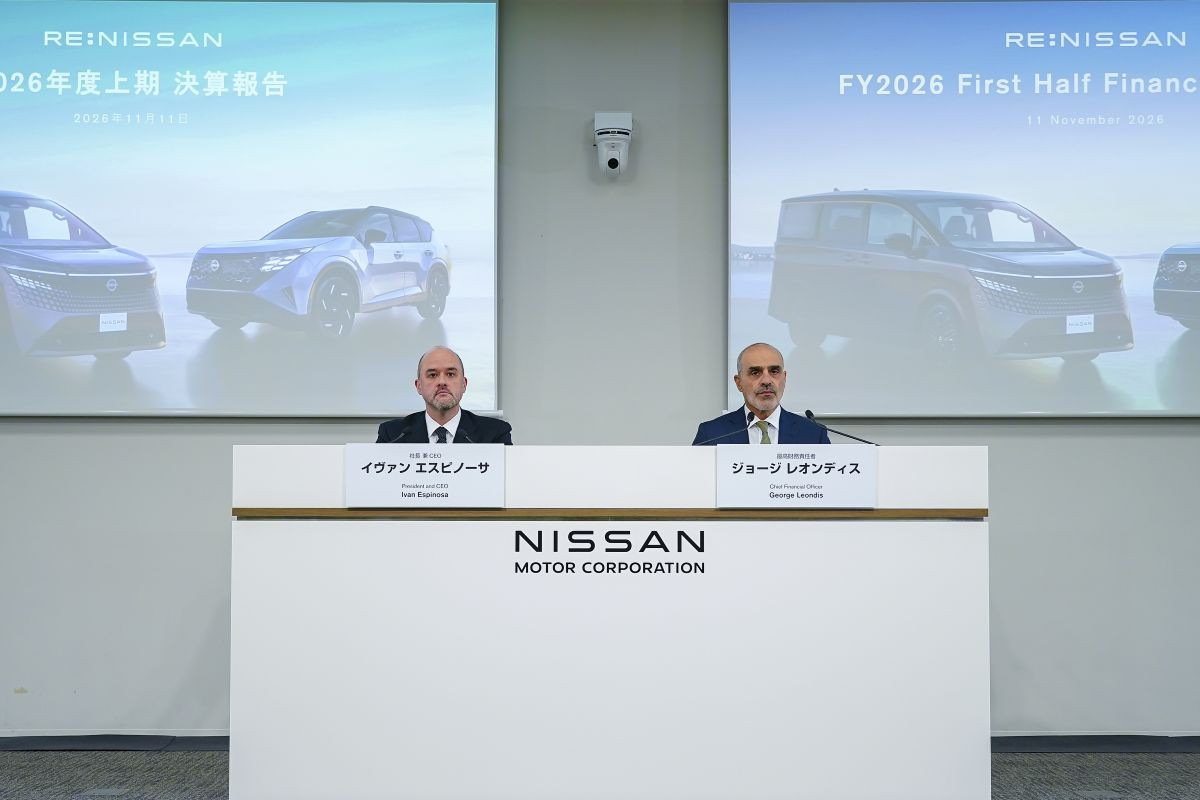
Nissan has revised its sales forecasts downwards for the Chinese market, citing a faster-than-expected transition to battery electric vehicles (BEVs) and new energy vehicles (NEVs). The Japanese automaker is reducing its production of gas-powered cars and increasing the output of BEVs and plug-in hybrids. While Nissan expects strong sales momentum in the U.S. and Japan, China's market is facing significant challenges, with weaker demand and heightened competition.
As a result, Nissan has lowered its 2026 global sales outlook from 3.15 million units to between 2.97 and 3 million units. Global sales for the year ended September 30, 2026, fell to 1.41 million units, with consolidated net revenue increasing to ¥6.072 trillion ($38 billion) from the previous year. Operating profit rose by ¥107.7 billion to ¥80.0 billion, and net income improved by ¥182.2 billion compared to the prior year.
China's rapid adoption of non-gasoline fuel vehicles has led to an oversupply of cars in the domestic market, and the country is aggressively targeting European markets to expand its presence, particularly as it seeks to challenge established automakers like Volkswagen and BMW. In a major agreement, China and the EU have pledged to "halve" the sales of hybrid vehicles in the European bloc, aiming to protect certain parts of the European automotive industry. The U.S. has thus far prohibited the sale of Chinese vehicles within its domestic market.
Written by urgent.news from Supply Chain Brain's reporting — not their text. Machine-written — may contain errors; check the original before relying on it.