New Trump Rule Threatens Immigrant Families With Separation or Homelessness
A new HUD rule would kick thousands of mixed immigration status families off of federal housing assistance. The post New Trump Rule Threatens Immigrant Families With Separation or Homelessness appeared first on The Intercept .
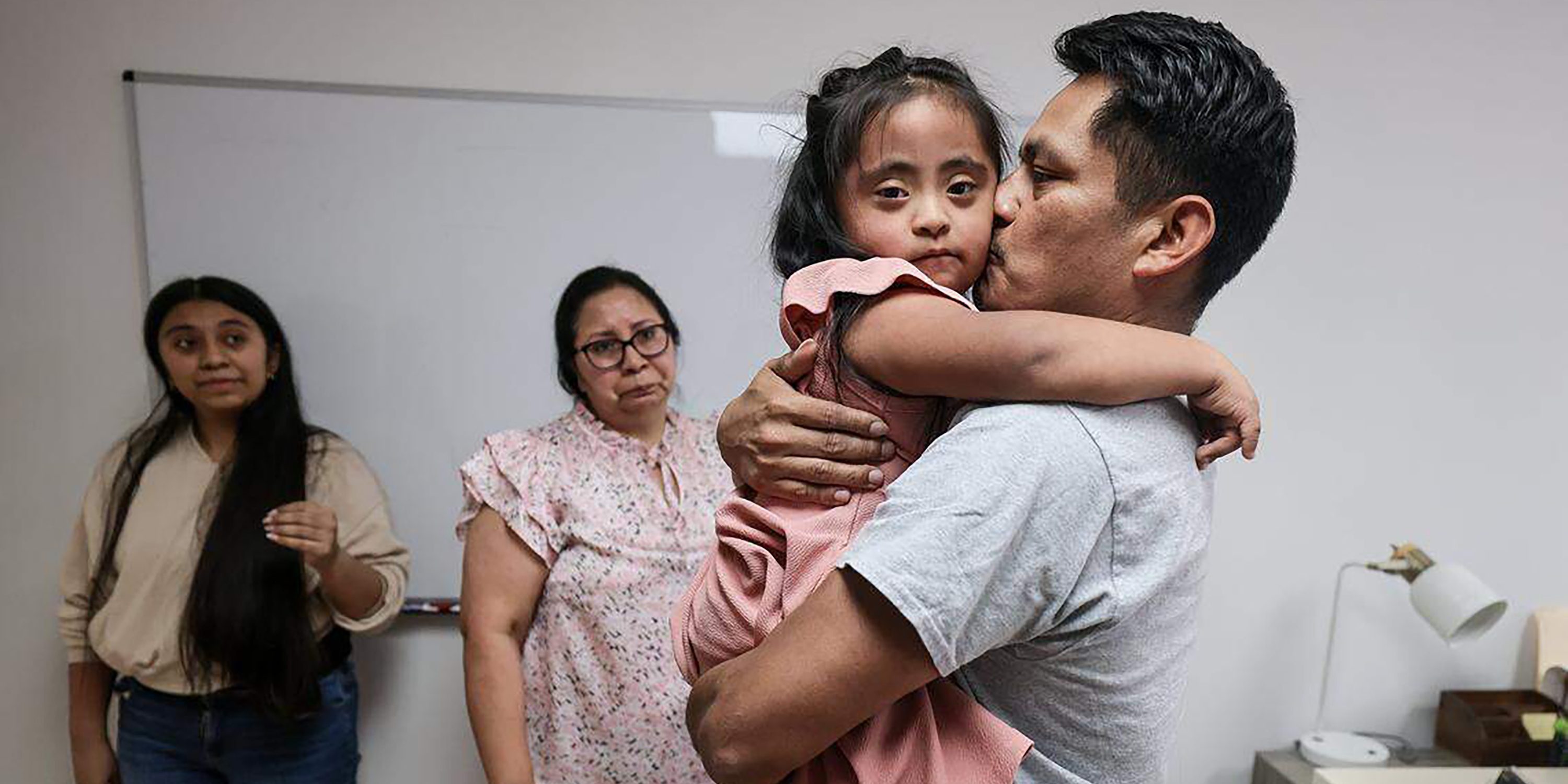
The Trump administration is set to affect nearly 80,000 families, most with children, by potentially removing them from federal housing assistance due to their family members' immigration status. The Department of Housing and Urban Development (HUD) has published a final rule, which will take effect in mid-December, barring mixed-status families from receiving most federal housing assistance.
Currently, undocumented immigrants and temporary non-residents are not eligible for most forms of federal housing assistance. However, if eligible family members are present, they can receive prorated assistance to cover housing costs, while non-eligible family members can live with them.
The new rule would disqualify an entire family if one member is ineligible, forcing families to choose between separation and eviction. Experts warn that this could lead to increased homelessness and eviction among families. Of the nearly 80,000 people affected, nearly 37,000 are children. Many families consist of one non-eligible parent, one eligible parent (citizen or otherwise), and children who hold U.S. citizenship.
The rule change is expected to cost the agency hundreds of millions of dollars, exacerbating the situation for the 9 million people already residing in federal housing.
To implement the rule, U.S. citizens would need to use the Systematic Alien Verification for Entitlements (SAVE) program to verify their eligibility, a system not previously used for citizenship verification. This change could result in unnecessary verification issues and potential loss of housing for citizens. Additionally, the new rule requires families to undergo additional documentation checks, which could disproportionately burden low-income tenants, older immigrants, and people who have experienced homelessness, as they are more likely to lack proper documentation.
Written by urgent.news from The Intercept's reporting — not their text. Machine-written — may contain errors; check the original before relying on it.