New phase of BRAIN Initiative spawns basal ganglia ‘parts list’
With a standardized cell naming system and infrastructure for data collection and analysis, the basal ganglia project sets the stage for a whole-brain primate atlas.
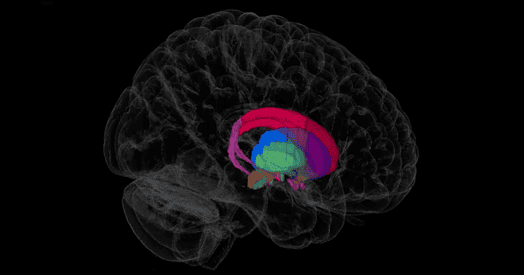
The BRAIN Initiative Cell Atlas Network (BICAN) has unveiled a comprehensive parts list for the basal ganglia, a critical brain structure. The atlas, published in 28 papers by the Cell Press family of journals, identifies 61 consensus cell groups within the basal ganglia, some of which are noncanonical subtypes previously undocumented.
This detailed cell naming system and infrastructure for data collection and analysis pave the way for a whole-brain primate atlas. The collaborative project, which began in 2022, collected data from 1.8 million nuclei across the basal ganglia of humans, macaques, and marmosets. The new atlas offers a common language for researchers studying the basal ganglia, fostering communication and collaboration.
It also reveals fine-grained spatial transcriptomic information, highlighting the molecular architecture of regions like the striatum. The atlas offers unprecedented insights into the diversity of cell types within the basal ganglia, some of which challenge previous assumptions about their classification. For instance, a unique population of striatal neurons, known as eccentric spiny projection neurons, was discovered, demonstrating that the previously identified D1 and D2 subclasses may not fully capture the complexity of these cells.
These findings indicate that the common taxonomy and spatial characterizations of the atlas open up new avenues for research, enabling scientists to uncover new biological insights and develop improved tools, much like the impact of the Human Genome Project. The atlas may also serve as a reference for researchers in the field, eliminating the need for them to perform all the analyses themselves.
Written by urgent.news from The Transmitter's reporting — not their text. Machine-written — may contain errors; check the original before relying on it.