Krise, wenn's klingelt: Telefonangst – und warum man sie nicht wegdrücken sollte
Schon vor dem Wählen bekam Annika Herzrasen und weinte. Eine Koblenzer Studie zeigt, wer besonders von Telefonangst betroffen ist – und wie Anrufe leichter werden können.
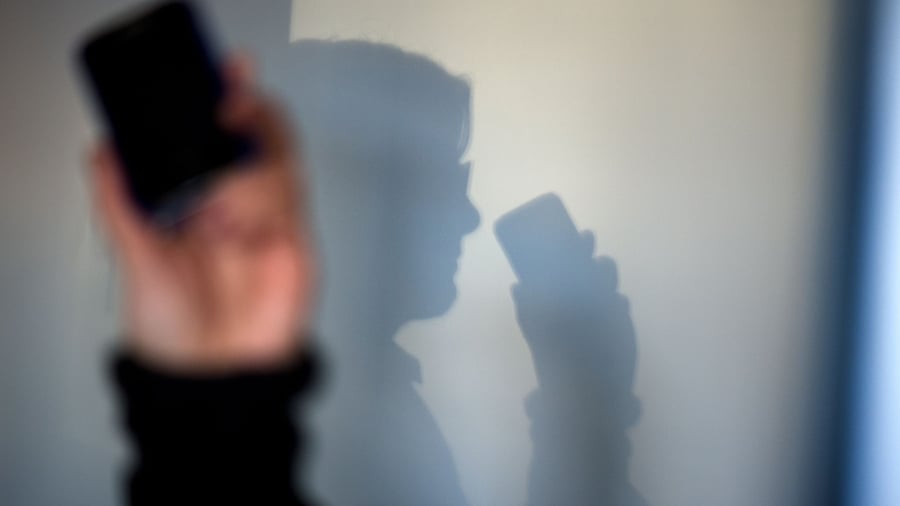
Annika, a 28-year-old student from Koblenz, has always struggled with phone calls. The mere act of dialing a number caused her anxiety, leading to palpitations, sweaty hands and even tears. She would sometimes even call in sick to work rather than make phone calls. Annika is not alone in her fear. A research project at the University of Koblenz is studying why some people find phone calls distressing and how they can better manage the situation.
The research team, led by Lea-Christin Wickord and Claudia Quaiser-Pohl, analyzed data from 142 people aged 14 to 68. Younger individuals showed a stronger fear of phone calls compared to older participants. Women were also found to be more affected than men. While not a standalone medical diagnosis, phone anxiety can occur as part of a social anxiety disorder, where individuals fear negative evaluation by others.
However, some people experience phone anxiety even when they are comfortable in other social situations. Annika, for instance, used to have trouble talking on the phone, often getting dizzy and even crying. However, she has since improved, as her social interactions have shifted away from frequent phone calls as an adult. The fear is not only about the act of making a call, but also about receiving calls, particularly from strangers such as doctors, landlords or internet service providers.
In such situations, Annika has had to force herself to overcome her fear. One factor identified by the researchers is the feeling of having control over a situation. When people feel they can't manage or determine the flow of a conversation, they experience greater phone anxiety. Those who believe they can control the conversation feel less anxious.
Extroverted individuals are less commonly affected by phone anxiety. Receiving calls was deemed less unpleasant compared to making outgoing calls in the study. Nadine Wolf, a psychiatrist and psychotherapist who now works at the University Hospital Ulm, explains that the fear stems from the spontaneous social interaction involved in a phone call.
With no visual cues from facial expressions or body language, communication must rely solely on spoken language. Unlike in text messages or emails, where one can revise or reschedule a response, a phone call requires immediate verbal responses. The University Hospital Heidelberg psychiatrist advised that facing feared situations consistently is key to overcoming phone anxiety in the long term.
To manage her fear, Annika now tries to make calls as quickly as possible and informs her friends in advance that she will be calling. While her anxiety has not disappeared entirely, she still experiences sweaty palms and fear of the conversation stalling. Wickord sees potential in developing treatment methods and communication training based on the research findings.
She encourages anyone fearing an upcoming call to remind themselves that they can learn to overcome their anxiety.
Written by urgent.news from Handelsblatt's reporting — not their text. Machine-written — may contain errors; check the original before relying on it.