Klimaschutz: Emissionshandel entzweit die Industrie – besonders die Stahlbranche ist gespalten
Das Plädoyer des Kanzlers, den Emissionshandel und damit die Klimaschutzziele nicht zu lockern, stößt in der Industrie überwiegend auf Kritik. Zustimmung gibt es nur vereinzelt.
Federich Merz, the German Chancellor, has sparked industry divisions with his stance against further relaxing the emissions trading scheme. Some businesses back Merz's position, while others vehemently oppose, demanding more relief to avoid deindustrialization. The emissions trading system aims to reduce carbon dioxide (CO2) emissions by increasing their price.
"We are shocked and surprised by the Chancellor's letter to the Commission president," said Wolfgang Große-Entrup, CEO of the German Chemical Industry Association VCI. "This cannot be the final word." Große-Entrup warned that emissions trading could become the industry's graveyard and does not serve climate protection. Große-Entrup emphasized that it cannot be "that the sectors are now playing off against each other."
Merz urged, in a letter dated November 6th, Commission President Ursula von der Leyen to maintain the EU's course with emissions trading and warned against relaxations. He stressed the importance of EU investment security in emissions trading as a "well-functioning, market-based system that we must not question." The letter is in reference to the EU summit in mid-October, where the topic was pushed by certain state leaders.
EU countries like Italy and the Czech Republic criticized the emissions trading scheme, demanding significant relief. With the letter, Germany publicly took a stance on the other side for the first time, referring to the so-called frontrunners, companies that invested early in the transformation. Merz wrote that European companies had built their business models on the expectation of reliable CO2 price signals.
The cornerstone of climate protection The emissions trading scheme is the EU's primary instrument to reduce climate-damaging CO2 emissions. Participating companies must present a certificate for every ton of CO2 emitted. Free certificates are provided to globally competitive companies, with the number of certificates decreasing yearly.
Since its introduction in 2005, energy and industry sectors have been obligated to participate. Since then, emissions in these sectors have dropped by 50 percent. Air and maritime transport have now also been included in the emissions trading scheme. A certificate for the emission of one ton of CO2 costs around 90 euros. The EU Commission presented its reform plans for the emissions trading scheme in July.
The Commission intends to allocate more free certificates than previously planned and adjust the linear reduction factor, which measures how much the available amount of certificates will be reduced annually. Currently, it is at 4.3 percent. "Read also: Merz against further weakening of the emissions trading scheme" The industry is supposed to gain more time to reduce emissions.
Currently, the reform is being negotiated between member states and the EU Parliament. Time is of the essence, as the supporters of the climate protection instrument fear further weakening of the emissions trading scheme due to upcoming elections in France next year and a possible right-wing shift. However, the vote on the reform, scheduled for December, might be postponed already.
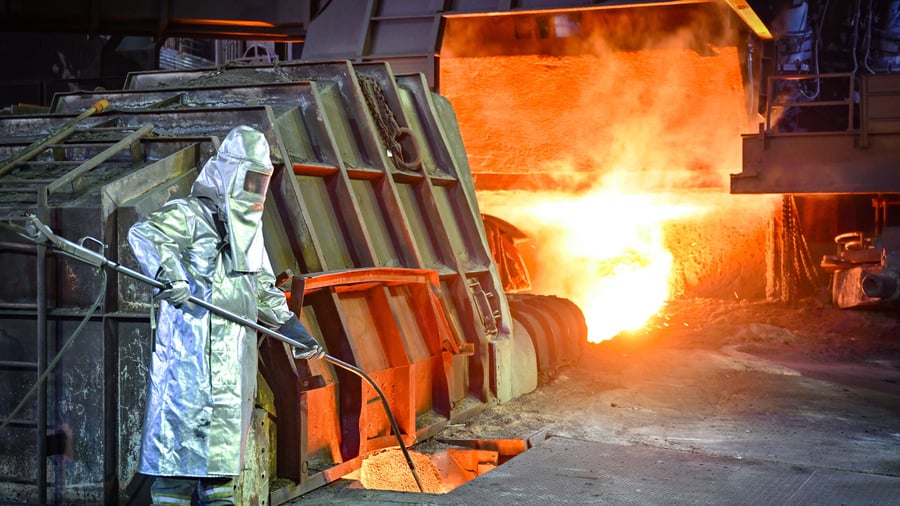
Conditionalities spark criticism One particularly contentious issue is conditionalities. The EU Commission wants to link the reliefs with the reform to a condition: companies only receive more free certificates if they invest in the decarbonization of their production. The Stahlbranche is split The linear reduction factor also remains contentious.
Written by urgent.news from Handelsblatt's reporting — not their text. Machine-written — may contain errors; check the original before relying on it.