Kapitalmärkte: EU-Parlament stimmt gegen neue Schutzregeln für Kleinanleger
Mehr Infos zu Finanzprodukten sollten Anlegern helfen. EU-Abgeordnete lehnten neue Regeln aber ab - sie sehen zu viel Bürokratie und zu wenig Schutz. Was hinter dem überraschenden Nein steckt.
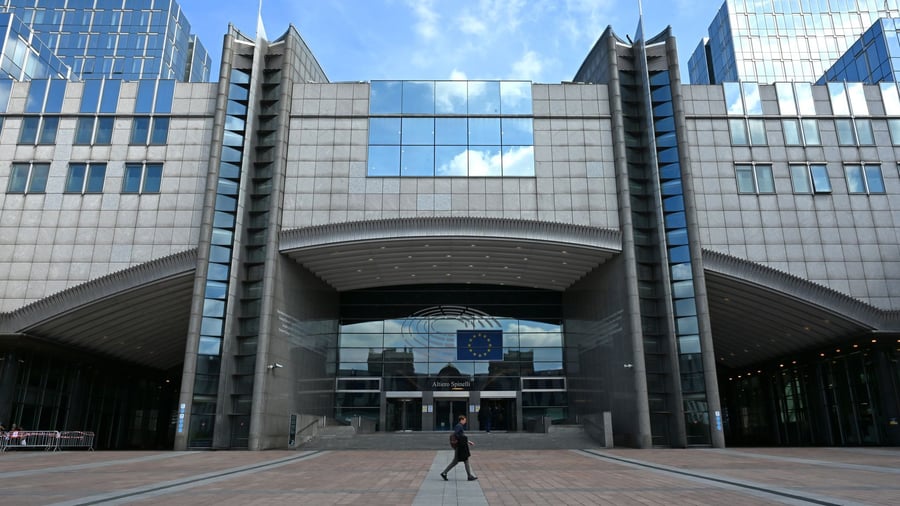
The European Parliament unexpectedly voted against new protection and transparency rules for individual investors who wish to invest their money. Negotiators from the Parliament and EU member states had agreed in December 2025 to amend several relevant EU directives. However, lawmakers criticize the package for creating additional bureaucracy and requirements for financial and insurance advisors without improving investor protection.
With a narrow majority of 300 to 286 votes, parliamentarians rejected the negotiated outcome. Mainly the left, green, and social democratic parties voted against it, but also parts of other factions. While the approval in Parliament was considered a formality, the law proposal is not entirely off the table. A vote in the Council of Member States is still pending.
It is possible to negotiate changes to the text. Parliamentarians defend their decision, stating that consumers were overloaded with additional information on costs and financial products, instead of clear and understandable information. They also criticized the absence of a proposed commission ban on commission payments. CSU member Markus Ferber emphasized that this was not a vote against small investors.
The strategy should bring more Europeans into capital markets, but the compromise, in his view, did not achieve that. Ferber added, "If we are serious about simplification, we cannot simultaneously keep adding new layers of regulation." He urged the Commission to return to the drafting table and provide a new approach. The Commission should retain the easier access to the status of a professional client and new rules for financial influencers.
Parliamentarians voted separately to introduce new requirements for information sheets on certain investment and insurance products. The EU aims to get more citizens to invest in financial markets instead of keeping money in savings accounts, for instance, to fund defense spending, infrastructure projects, digitalization, and environmental protection.
According to Commission data, around 10 trillion euros of savings from EU citizens are sitting in banks.
Written by urgent.news from Handelsblatt's reporting — not their text. Machine-written — may contain errors; check the original before relying on it.