Japan’s military build-up hit by US missile delays and domestic parts shortages
Japan’s push to strengthen its armed forces is running into headwinds that money alone cannot resolve, analysts warn, pointing to prolonged delays in US weapon shipments and domestic manufacturing bottlenecks that undermine operational readiness. The issues have cast doubt on Tokyo’s ability to meet ambitious force expansion targets as the government prepares to overhaul its defence and security…
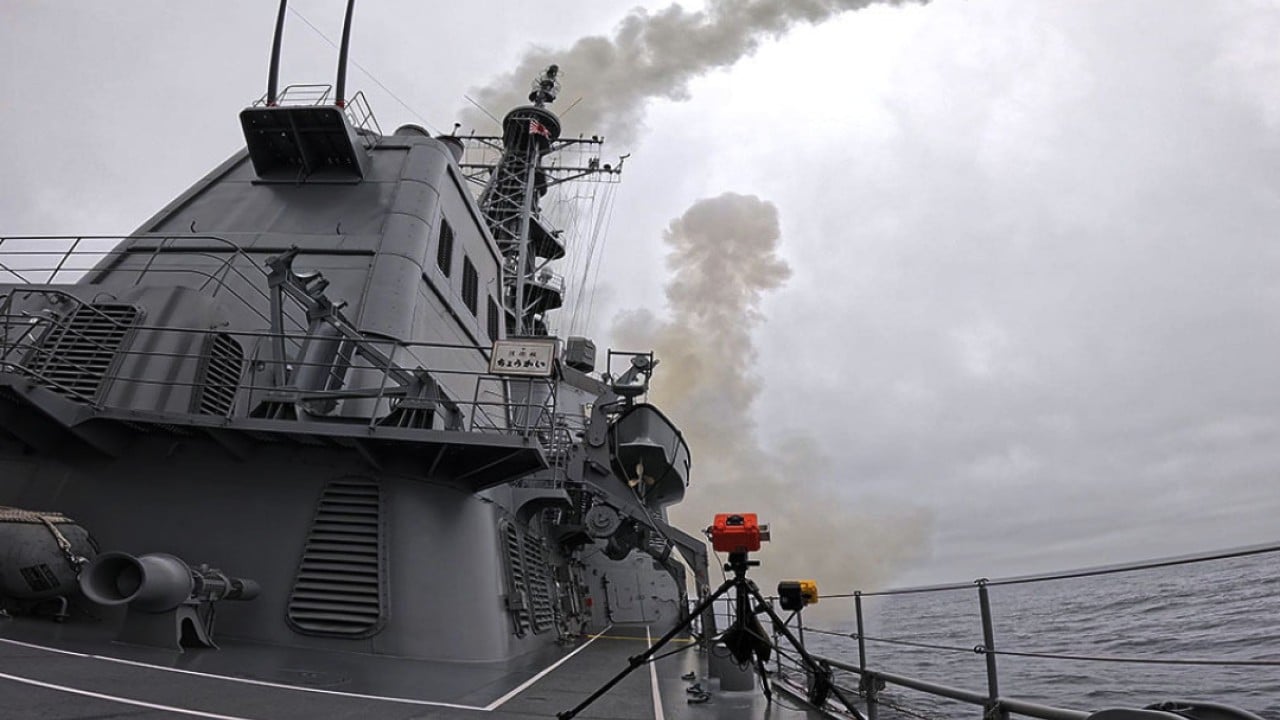
Japan's military expansion is encountering obstacles beyond budget constraints, with analysts citing delays in US weapon deliveries and domestic manufacturing bottlenecks that threaten operational readiness. These challenges cast doubt on the government's plans to increase defense spending, as Tokyo seeks to overhaul its defence and security priorities.
Observers argue that Japan must bolster its domestic defense industry to reduce reliance on US suppliers, but this transition presents its own set of difficulties. Delays and cost overruns in Japanese-made aircraft highlight that greater self-reliance can be problematic. The government is currently drafting a new five-year Defence Buildup Programme, but growing delivery delays and soaring costs raise concerns about acquiring all planned hardware within existing budget limits.
The Defence Ministry acknowledged that acquisitions are falling behind schedule and prices have risen significantly. For instance, the cost of domestically developed Kawasaki P-1 maritime patrol aircraft increased by more than 50 per cent from 30.5 billion yen to 46 billion yen between fiscal 2023 and 2026. A Board of Audit report revealed that 118 orders for US military equipment, valued at US$7.2 billion, remained undelivered five years or more after contracts were signed.
Experts attribute these backlogs to depleted US inventories, particularly affecting key assets like Tomahawk cruise missiles. Prime Minister Sanae Takaichi's administration is revising three main strategic documents to reinforce Japan's capabilities to "deny" potential adversary aggression, while expanding cooperation with Washington and industrial-base collaboration.
However, US deliveries of Tomahawk missiles and air-defence interceptors remain delayed, with concerns about shortages of components and spare parts for Aegis system upgrades, F-15 fighter modernisations, and maintenance of MQ-9 drones and E-2C Hawkeye surveillance planes. The fifth-generation F-35 stealth fighter deliveries have also faced setbacks, particularly the STOVL variant intended for Japan's Izumo-class helicopter destroyers.
Spare-part shortages are further reducing operational readiness, with the P-1 fleet operating at only a 30 per cent mission-capable rate. While some procurements, such as the MQ-9B SeaGuardian unmanned drones, are underway, broader procurement shifts may help domestic manufacturers, but total self-reliance is deemed impossible.
Written by urgent.news from South China Morning Post's reporting — not their text. Machine-written — may contain errors; check the original before relying on it.