Inside the 'intensive' reality of criminal profiling
An FBI-trained criminal profiler open ups on what the job really involves, why it's far less glamorous than TV suggests, and what it's taught her about humanity.
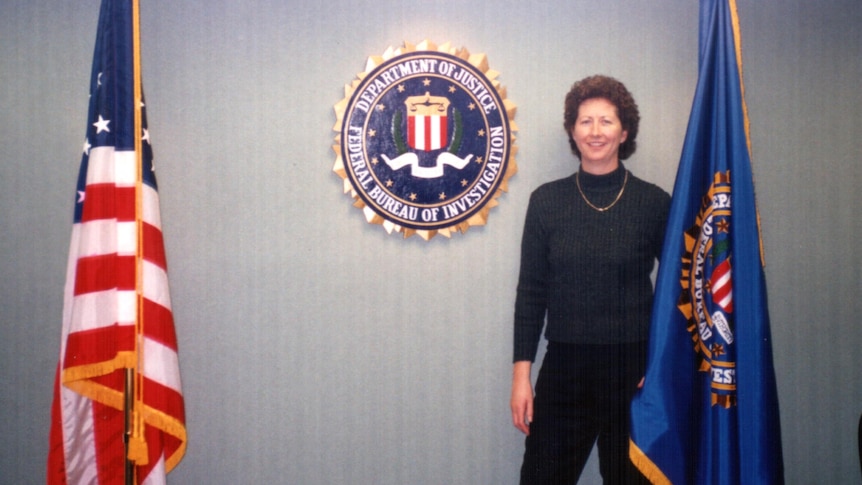
Kris Illingsworth, an FBI-trained criminal profiler and former NSW police detective, discusses the realities of her job. Her work involves analyzing violent crimes and assisting police and private clients in identifying perpetrators. She explains that her role focuses on behavioral aspects and insights to build an understanding of potential suspects.
While police gather evidence, her work provides direction in complex cases, though it does not solve crimes on its own. On a typical day, she might work on various cases, including sexual assaults, murders, or extortion letters. She meets with detectives at crime scenes, reviews case materials, and analyzes crime scenes, autopsy reports, and other evidence.
The job is intense and requires passion and objectivity, as she must separate her feelings to maintain objectivity. She emphasizes that the job is far less glamorous than portrayed in TV shows, with no personal jets or other extravagances. Illingsworth transitioned from being a detective to becoming a profiler after witnessing the impact of a psychiatrist's layered personality descriptions on a case.
She completed a two-week course on violent crime linkage and was selected to become an FBI-trained and certified profiler, spending a month at the FBI academy in Virginia. A breakthrough profile can provide a sense of satisfaction, especially when it helps solve an unsolved case. Overall, her career has taught her that people can do anything to one another and that there are those working to counterbalance the darker aspects of humanity.
Written by urgent.news from ABC News AU's reporting — not their text. Machine-written — may contain errors; check the original before relying on it.