India records 38% drop in TB mortality since 2015: WHO report
World Health Organization’s Global Tuberculosis Report 2026 showed a total of 1.13 million people died from tuberculosis last year
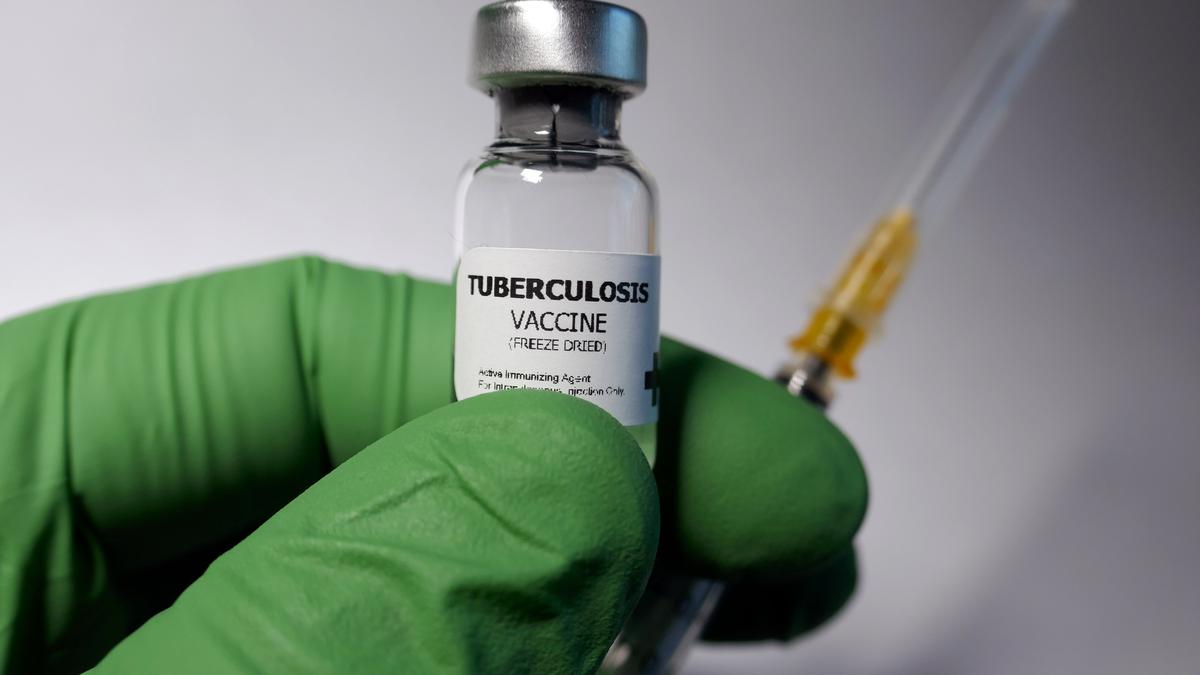
In 2026, India recorded a 38% decrease in tuberculosis (TB) mortality since 2015, according to the World Health Organization's (WHO) Global Tuberculosis Report. This is higher than the global average reduction of 35%. Additionally, India boasts a 94% treatment success rate among patients with drug-susceptible TB.
The South-East Asia Region experienced the highest number of new TB cases in 2025, totaling 35%, followed closely by the Western Pacific Region with 27% and the African Region with 25%. Approximately 88% of new TB cases originated from 30 countries, including India, Indonesia, the Philippines, China, Pakistan, Nigeria, the Democratic Republic of the Congo, and Bangladesh.
Union Health Minister J.P. Nadda reported a significant increase in TB case notifications from 2015 to 2024, which helped address the issue of "missing" cases. However, 50% of people treated for TB and their households face catastrophic costs related to TB, including direct medical expenditures, non-medical expenses, and indirect costs such as income loss.
Certain groups, such as those with compromised immune systems, HIV, undernutrition, diabetes, alcohol use disorders, smoking, and HIV infection, face a higher risk of contracting tuberculosis. In 2025, approximately 1.13 million people died from TB worldwide, with an estimated 10.6 million new cases reported.
Despite progress, multidrug-resistant TB (MDR-TB) remains a major public health crisis and threat to global health security. Currently, only about 40% of people with drug-resistant TB receive treatment. Global efforts to combat TB have saved an estimated 86 million lives since 2000.
India's TB elimination efforts, primarily through the National TB Elimination Programme (NTEP), have yielded promising results. The programme includes proactive case finding using AI-enabled X-rays, rapid diagnostics, prompt treatment initiation, differentiated TB care, and nutritional support through initiatives like Nikshay Poshan Yojana and Nikshay Mitra. AI tools have been employed for hotspot identification, prediction of high-risk TB cases, and the development of the Khushi AI Chatbot & Avatar Videobot.
Written by urgent.news from The Hindu's reporting — not their text. Machine-written — may contain errors; check the original before relying on it.