IMF holds new talks with Lebanon on bank restructuring strategy
The International Monetary Fund said its staff held a new round of talks with Lebanon this week focusing on the banking sector's restructuring strategy, as Beirut looks to secure a new agreement with the multilateral lender. Lebanon's banking resolution law is seen as a critical component in securing an economic reform programme with the IMF. A staff-level agreement was initially struck in 2022…
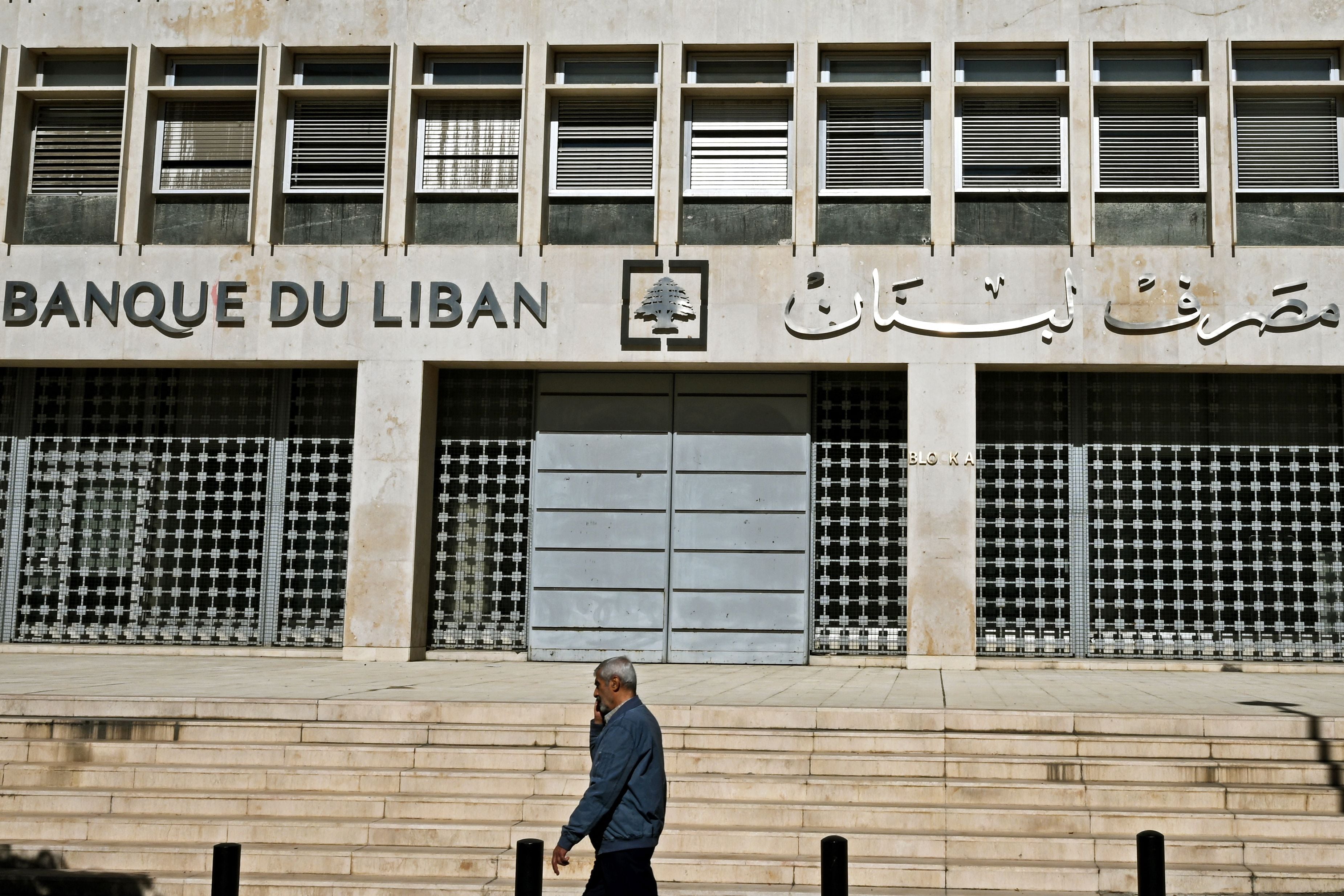
The International Monetary Fund held a new round of discussions with Lebanon this week, centering around the country's banking sector reconstruction plan. Lebanon seeks a new agreement with the multilateral lender to secure an economic reform program. The banking resolution law enacted in August was seen as a crucial element in reaching an agreement with the IMF.
An initial staff-level deal was reached in 2022 following Lebanon's economic collapse in 2019, yet the government lagged in implementing the IMF's suggested changes. IMF communications director Julie Kozack stated that these talks were part of ongoing discussions with Lebanese authorities aimed at reinforcing the country's comprehensive reform program and supporting economic recovery.
Lebanese Finance Minister Yassine Jaber confirmed ongoing talks with the IMF, emphasizing the need to settle on a law that equally distributes losses among the state, central bank, commercial banks, and depositors. The IMF has not yet indicated if a preliminary agreement could be reached this week. The organization is focused on the banking sector reconstruction strategy, and will communicate updates upon completion of the mission.
In August, Lebanon's parliament passed a banking resolution law, which the IMF hailed as a significant stride in revamping the banking sector. Lebanese President Joseph Aoun recently challenged the amendment to an amendment involving the central bank's independence and powers, and the IMF pledged to assess any adjustments to ensure their conformity with international standards.
To secure any agreement, Lebanon must implement a 2027 budget, a medium-term fiscal framework, and other reforms. In March 2020, Lebanon defaulted on its debt for the first time in history, leading to hyperinflation, high unemployment, and a soaring poverty rate. The banking crisis left depositors unable to access their savings and the Lebanese pound depreciated by more than 90 percent.
The total financial losses from the 2019 economic collapse were initially estimated at $70 billion by Lebanese authorities, although this figure is now considered higher. A World Bank report in August predicted Lebanon's economy would contract by 6.4 percent this year due to reversing the economy's recovery from the previous year, when growth accelerated at a rate of 4.2 percent.
Finance Minister Yassine Jaber stressed the urgency for Lebanon to end its economic crisis and restore a functioning banking sector.
Written by urgent.news from The National Business's reporting — not their text. Machine-written — may contain errors; check the original before relying on it.
Also reported by 1 other outlet
- IMF holds new talks with Lebanon on bank restructuring strategy thenationalnews.com