Humanitarian Orgs Demand Answers on Yemen War After Hegseth Impeachment Fails
A dozen groups are urging congressional oversight of civilian harm in Trump’s “forgotten war.” The post Humanitarian Orgs Demand Answers on Yemen War After Hegseth Impeachment Fails appeared first on The Intercept .
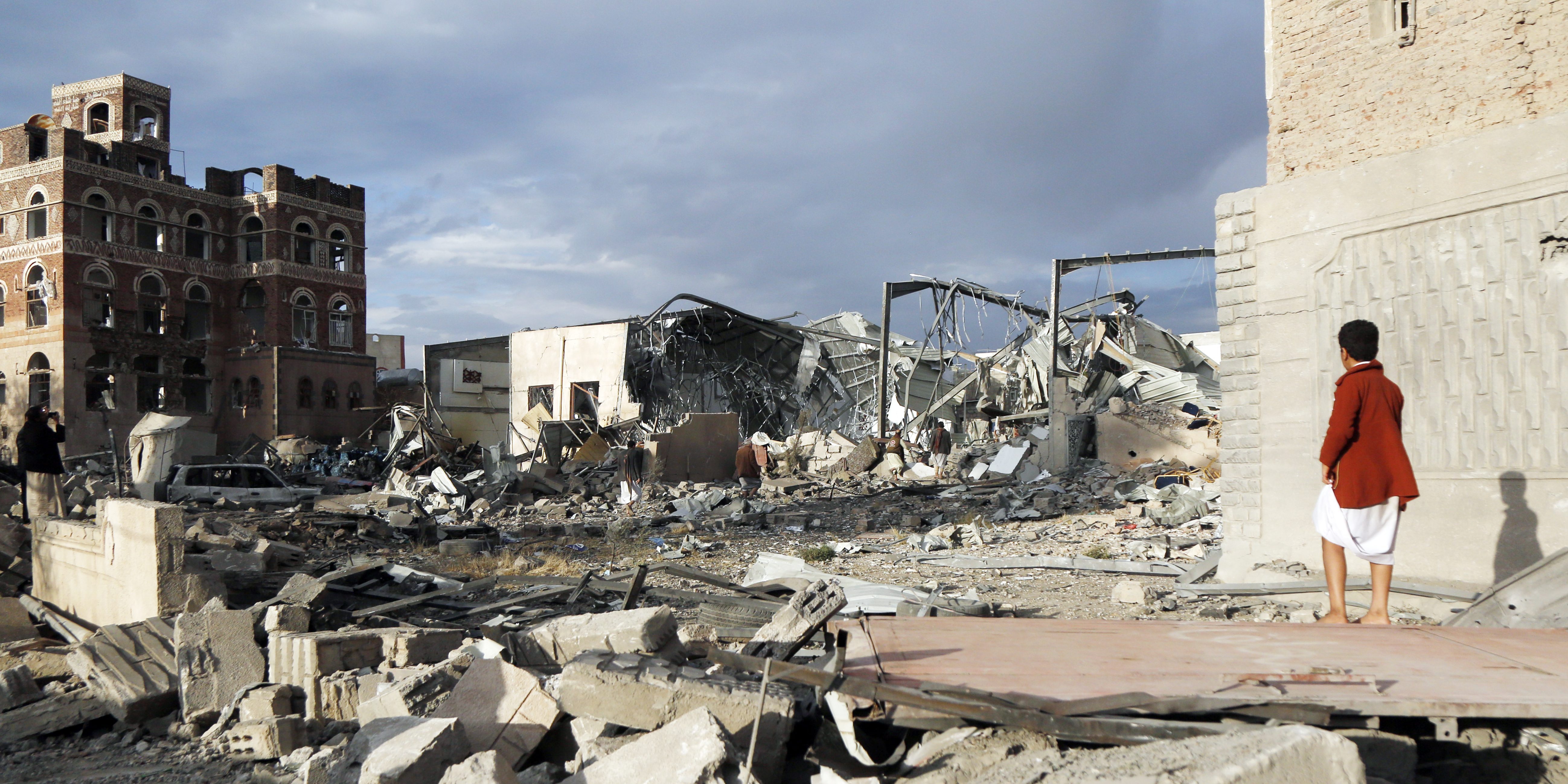
As the impeachment of Pentagon chief Pete Hegseth failed to gain traction, a coalition of humanitarian organizations is demanding answers from Congress regarding his role in the "unauthorized war in Yemen." The groups sent a letter to lawmakers, urging them to conduct thorough oversight into Operation Rough Rider and the human toll it inflicted.
Military strategist Hegseth temporarily avoided impeachment, but the humanitarian groups remain unmoved. They specifically point to the slashed civilian harm prevention efforts during his tenure, calling for more information on how and why civilian harm incidents occurred, the lessons learned from these operations, and the current status of civilian harm assessments and investigations.
The groups cite the Pentagon's acknowledgment of nearly 400 civilian casualties during Rough Rider, with 153 deaths and 243 injuries from just three attacks. These incidents include a strike in Sanaa, a strike on the Ras Isa Port, and a strike on a migrant detention center in Saada. A survivor of the Saada attack described the physical and emotional pain they endured, highlighting the urgent need for accountability.
The groups express concern over the reduced civilian harm mitigation team under Hegseth, which has been downsized to just one individual. This lack of resources raises questions about their ability to handle hundreds of cases if they turned their focus to Iran. The humanitarian groups argue that the Department's civilian protection program has been largely inactive and call for a more robust inquiry into the civilian harm during Rough Rider.
They also draw a connection between the civilian casualties during Rough Rider and those in Iran, emphasizing the importance of addressing these issues to prevent further devastation and ensure a more effective approach to civilian harm mitigation.
Written by urgent.news from The Intercept's reporting — not their text. Machine-written — may contain errors; check the original before relying on it.