How the decline of the department store could shape the future of shopping
Department stores are fading away and retailers are grappling with the challenges of online trade. So what might this mean for physical shops and consumers?
Arthur Miller's 1949 play Death of a Salesman famously illustrated the life of a door-to-door salesman: a man living on a smile and a shoeshine. Once, Australian households eagerly anticipated visits from the milkman, Avon Lady or Mr. Jolly, the red-tie-wearing representative of Electrolux products. However, this changed sometime in the middle of the last century.
People began trading their suburban homes for cars and driving to nearby department stores. Department stores, once the gatekeepers of retail, now face a challenge from online retailers.
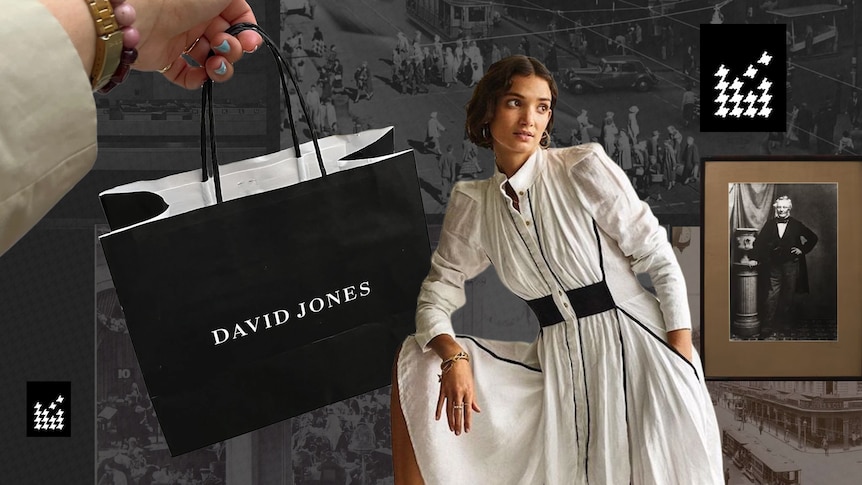
David Jones, a prominent department store, is just one of many to vanish from the Australian retail landscape, joining the ranks of Mark Foy's, Winns, and Grace Brothers. Rising interest rates, oil price shocks, and declining consumer sentiment signal tough times ahead for Australian retailers. The Reserve Bank's consumer sentiment measure, which averages two private sector surveys, indicates that consumer attitudes towards personal finances have returned to those dark days following the COVID-19 pandemic.
While spending on essentials remains stable, discretionary retailing is suffering, according to the RBA.
Analysts predict that the current softer conditions for consumer discretionary spending will persist into 2027. However, Craig Woolford, a retail analyst at MST Marquee, believes the troubles plaguing David Jones began long before the latest economic squeeze. Woolford attributes the retailer's high debt levels and shrinking sales to a harmful combination. Other Australian retailers showcase mixed trends, with health and beauty categories thriving, while footwear and liquor sales lag behind.
The shift away from department store shopping is evident, with department stores losing their anchor status in shopping centers over the past two decades. Increasingly, discount stores like Kmart, Target, and Big W have taken the lead. Luxury brands like Louis Vuitton and Prada have capitalized on this trend by opening their own stores for affluent shoppers. Younger consumers prefer make-up, athleisure, and tech brands.
Foreign online retailers, particularly Amazon, have posed a significant challenge for Australian stores, both physically and online. Online retail spending in Australia has surged, representing about 13% of all retail spending today, though still considerably lower than in the US (16%) and UK (27%). While online shopping's convenience cannot be denied, it lacks the social aspect that physical stores provide.
Retail historian Matthew Bailey predicts that shopping centers will need to adapt to cater to cautious consumers and online shopping. By 2050, these centers might focus more on lifestyle, entertainment, dining, and wellness, creating a stronger physical experience than traditional retail therapy.
Retail spending habits are reshaping Australian cities, with delivery creating a demand for well-connected industrial land. Main streets now present opportunities for small businesses, as department stores no longer act as gatekeepers. According to Bailey, change is the only certainty in retail moving forward.
Written by urgent.news from ABC News AU's reporting — not their text. Machine-written — may contain errors; check the original before relying on it.