Ghana to ban commercial rice imports by 2030 under new production plan
The government plans to prohibit commercial rice imports by the end of 2030 as part of a broader strategy to expand domestic production, create jobs and strengthen the local rice industry. Finance Minister Dr Cassiel Ato Forson announced the policy while presenting the 2027 Budget to Parliament on Thursday, November 12, 2026. He said the government would also amend public procurement laws to…
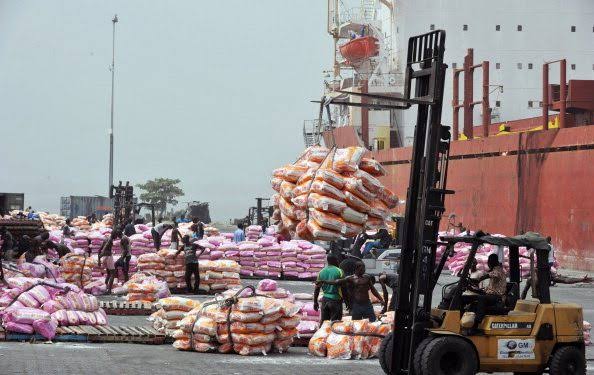
Ghana intends to ban commercial rice imports by the end of 2030 as part of an initiative to boost domestic production, create jobs, and bolster the local rice sector. Finance Minister Dr. Cassiel Ato Forson disclosed this plan when presenting the 2027 Budget to Parliament on November 12, 2026. He stated that the government will also revise public procurement laws to mandate the use of locally-produced rice for public institutions including schools, hospitals, and other facilities. This regulation will encompass rice and other essential foodstuffs procured for such institutions.
According to Dr. Forson, this policy will ensure that public expenditures bolster local farmers while providing a steady market for their products. "This will ensure that public spending feeds our children, patients, and other beneficiaries while providing a reliable market for Ghanaian farmers and creating jobs here at home," he added.
To facilitate this strategy, the government will construct rice development hubs in the Volta Basin, Western Ghana, and Northern Ghana. These hubs will integrate irrigation systems, mechanization, storage facilities, modern mills, packaging, and logistics to enhance production and processing capabilities.
Dr. Forson forecasted that these initiatives will bring an additional 100,000 hectares under rice cultivation, with anticipated yields of five to six metric tonnes per hectare. The hubs will also generate around 125,000 jobs. The government will offer tax incentives to these hubs for investments in irrigation, mechanization, silos, modern mills, packaging, and logistics. These incentives aim to minimize investment costs, curtail post-harvest losses, and enable Ghanaian rice to reach consumers at competitive prices.
The government anticipates that these incentives will spur investment throughout the rice value chain, from cultivation to processing, storage, and distribution. The Finance Minister also introduced a new system where rice import licenses will be contingent on purchases from verified Ghanaian farmers and millers starting in 2027.
The proportion of local rice that importers must buy will rise as domestic production grows, while import quotas will diminish over time. Dr. Forson affirmed that commercial rice imports will be prohibited by the end of 2030, backed by robust domestic production, milling, storage, quality assurance, and reliable distribution channels.
This policy is anticipated to gain support through heightened domestic production, investment in processing and distribution infrastructure, and the proposed measures. Agriculture constitutes a crucial segment of Ghana's economy, contributing to employment, exports, and livelihoods. The government highlights that Ghana annually spends billions of dollars importing food and agricultural commodities that could be cultivated domestically.
The rice policy is part of a larger endeavor to augment domestic production, preserve more value within the economy, and generate prospects for farmers and businesses. The implementation of rice development hubs, procurement reforms, and import licensing arrangements is expected to commence in 2027.
Written by urgent.news from MyJoyOnline Ghana's reporting — not their text. Machine-written — may contain errors; check the original before relying on it.