Getting Too Little Sleep Makes You Easier to Scam
A clever new study explores how sleep loss might affect critical thinking.
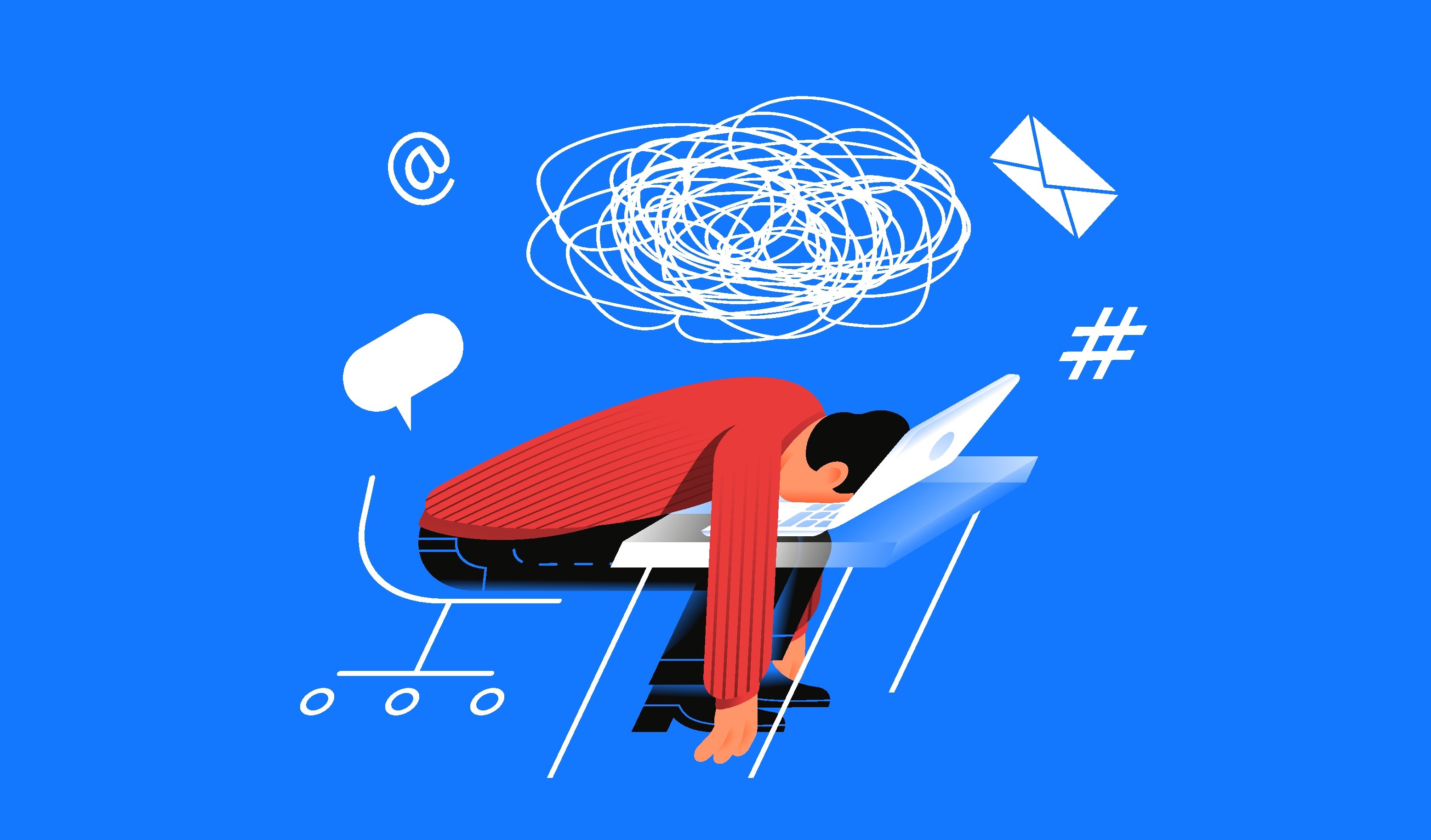
When the clocks spring forward for Daylight Saving Time in March, people lose an hour of sleep. A new study published in Proceedings of the National Academy of Sciences found that this sleep deprivation makes people 13% more likely to click on links in suspicious phishing emails on the Monday after the time change. The study was inspired by a routine cybersecurity test and involved sending fake emails to over 10,000 people.
While the time change did not affect whether people opened the emails or reported them as spam, it did increase the likelihood of clicking on the links. Sleep researcher Eitan Schechtman believes this is because sleep loss impairs decision-making and makes people more impulsive, leading them to click on the links without thinking critically.
While it is unclear if the same effect applies when clocks fall back in the fall, Schechtman suspects that people may not gain enough sleep to offset the loss in the spring.
Written by urgent.news from Time's reporting — not their text. Machine-written — may contain errors; check the original before relying on it.