From snapshot to fine art: How smartphones are changing photography
Founded in 1997, Paris Photo is one of the world's leading photography events, attracting more than 100,000 professionals and enthusiasts.
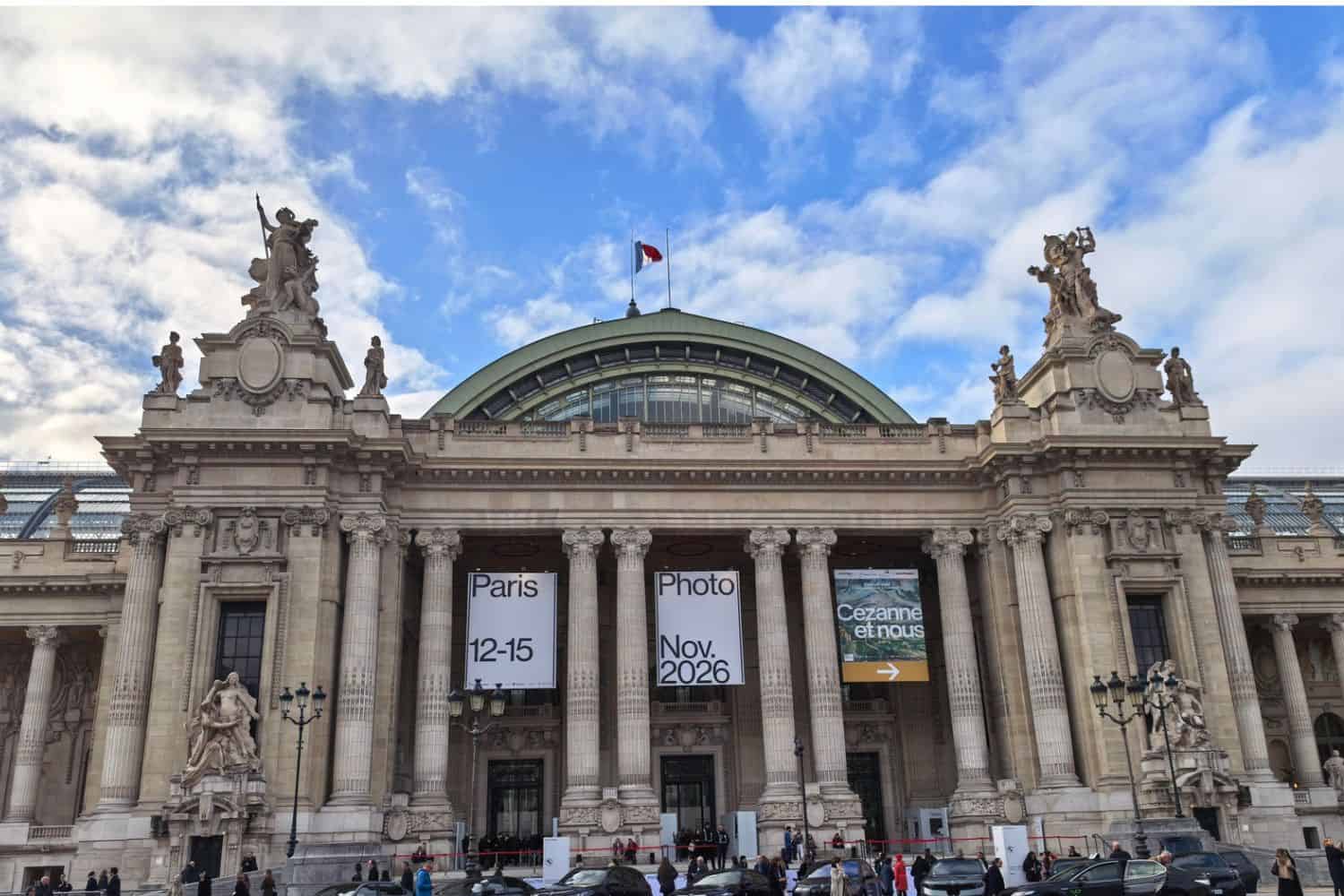
Paris this week served as the backdrop for a pivotal discussion on the transformative impact of mobile photography in contemporary visual storytelling. Huawei, a major player in the smartphone industry, hosted the tenth edition of its XMage Awards in conjunction with the esteemed Paris Photo fair at the Grand Palais. The event brought together over 150 photographers, imaging experts, and media professionals to deliberate on the evolution of smartphone cameras over the past decade.
Paris Photo, established in 1997, is one of the world's leading photography events, regularly drawing a crowd of more than 100,000 enthusiasts and professionals. The accompanying exhibition, titled "A Heartwarming World," showcased images captured using Huawei devices, highlighting the growing role of smartphones in modern photography. This mirrored the broader transformation in mobile photography, which has become an increasingly vital component of contemporary visual culture.
The XMage 100 exhibition featured photographs taken on a diverse range of smartphones, from older models like the Mate 20 Pro and P30 Pro to cutting-edge devices such as the Pura 80 Ultra, Mate 80 Pro Max, and Pura 90 Pro Max. From an impressive pool of more than 820,000 submissions, a panel of professionals selected 100 standout photographs. Three were named Grand Prize winners: Ali Abdul Hamid Alarbash, Mai Shunxi, and Wan Ben.
In his address, Huawei Consumer Business Group chief marketing officer Alex Huang He underscored the company's decade-long endeavor to build a global network of creators united through photography and visual storytelling. The advancements in smartphone imaging technology have significantly broadened the capabilities of pocket-sized devices.
Leading manufacturers like Apple, Samsung, Honor, and Huawei have poured substantial resources into mobile imaging, fueling fierce competition in the smartphone photography market. Modern smartphones now boast larger sensors, variable apertures, enhanced low-light performance, and sophisticated telephoto systems, enabling users to capture intricate details in challenging conditions that previously necessitated dedicated camera equipment.
The convenience and accessibility of smartphone photography cannot be overstated. With a device always at hand, users can swiftly document moments as they unfold, often merely requiring a simple act of pointing, clicking, and shooting. While the influence of computational photography continues to fuel debate within the imaging industry, the Paris exhibition underscored the significant strides made by mobile photography.
Once considered a mere convenient alternative to traditional cameras, smartphones have increasingly earned their place alongside professional equipment in galleries, competitions, and the realm of contemporary visual storytelling.
Written by urgent.news from The Citizen's reporting — not their text. Machine-written — may contain errors; check the original before relying on it.