Fertiglobe boosts UAE exports to 95% of production but logistics costs hit profit
Fertiglobe, the world’s largest seaborne exporter of urea and ammonia, said it has restored UAE exports to 95 per cent of production in the third quarter, despite continuing disruption at the Strait of Hormuz . That is up from 56 per cent in the second quarter, it said in a statement on Thursday to the Abu Dhabi Securities Exchange, where its shares trade. Reaching that figure involved extensive…
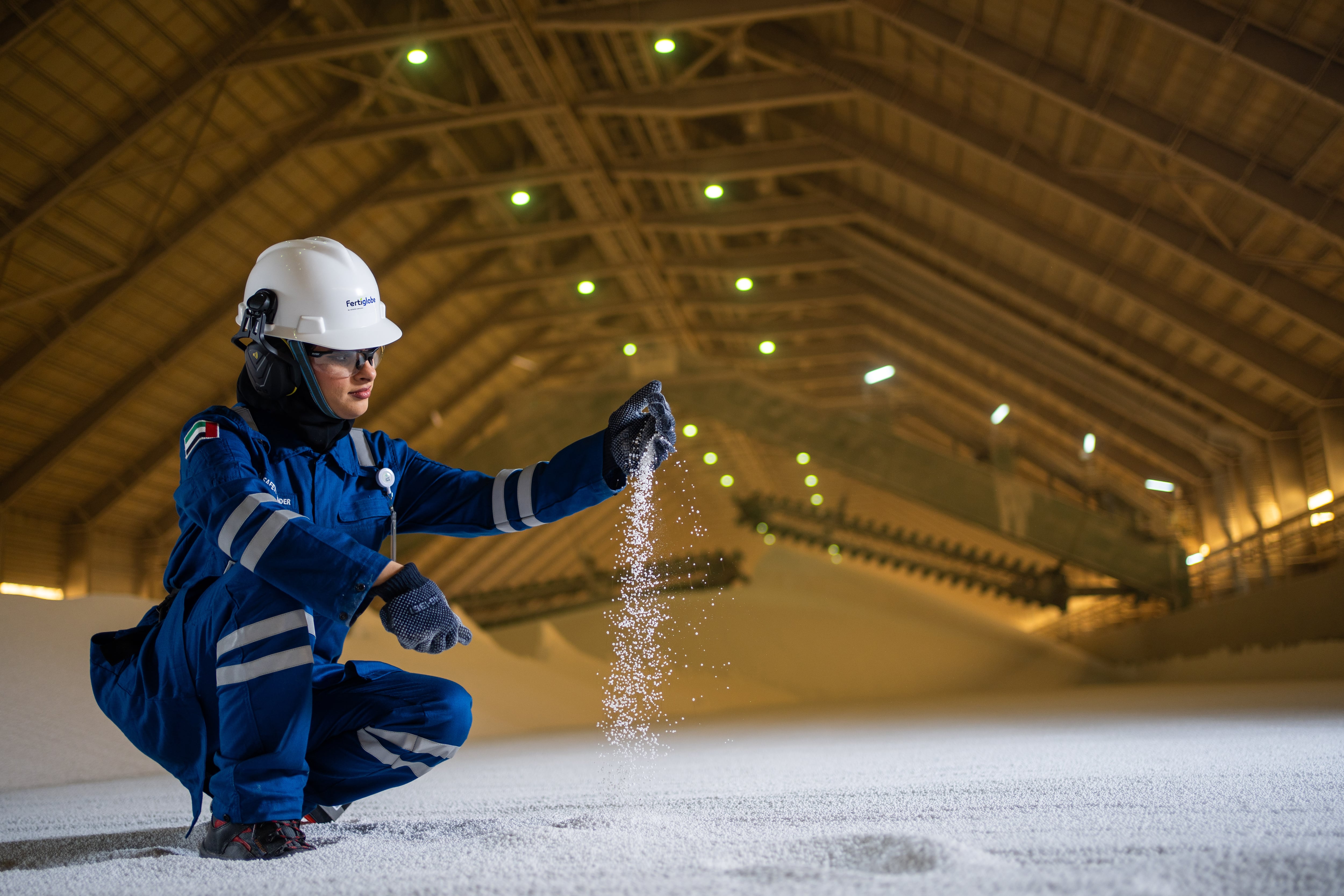
Fertiglobe, the world's largest exporter of urea and ammonia, has managed to restore UAE exports to 95% of its production capacity in the third quarter, despite ongoing disruptions at the Strait of Hormuz. The company, led by CEO Ahmed El Hoshy, worked closely with its production and supply chain teams, majority shareholders XRG and Adnoc, as well as the government to achieve this milestone.
UAE exports, while at a high, are not without their challenges. Increasing freight and logistical costs have negatively impacted Fertiglobe's profit margins. Net profit for the quarter dropped by 90% to $22.7 million, while revenue rose by 19% to $904.5 million, driven by higher ammonia prices and sales volumes.
The company's turnaround at its EBIC plant in Egypt, which involved using inventories to continue selling products during the process, also contributed to the cost increase. Urea prices surged to about $720 a tonne in mid-April from around $465 a tonne before the war, but have since dropped to about $430 a tonne.
Ammonia prices, while higher, have lowered urea margins. Fertiglobe, which uses long-term gas contracts not tied to European gas prices, acknowledges that high European gas prices have affected about 35% of European ammonia capacity. Dutch front-month futures, tracking European gas prices, were at about €90 per megawatt-hour on Thursday, nearly double annually.
Despite these challenges, Fertiglobe remains optimistic about the market outlook for ammonia and urea. The company has launched a new programme, FIT3, aimed at achieving further cost savings by the end of 2028. Additionally, production at the EBIC plant in Egypt has increased by more than 20% on a run rate basis, with the implementation of AI and robotics for dust and debris removal.
Written by urgent.news from The National Business's reporting — not their text. Machine-written — may contain errors; check the original before relying on it.