Everything you wanted to know about Nvidia but were too afraid to ask
If you’re not in the tech world, you might only have been vaguely aware of Nvidia—and CEO Jensen Huang’s leather jackets —until he admitted to having an affair with a woman accused of being a Chinese spy . On November 12, a day after revelations of a second affair, this one with an Nvidia executive, Huang resigned. Here’s why the company’s future could affect the entire AI industry. What Nvidia…
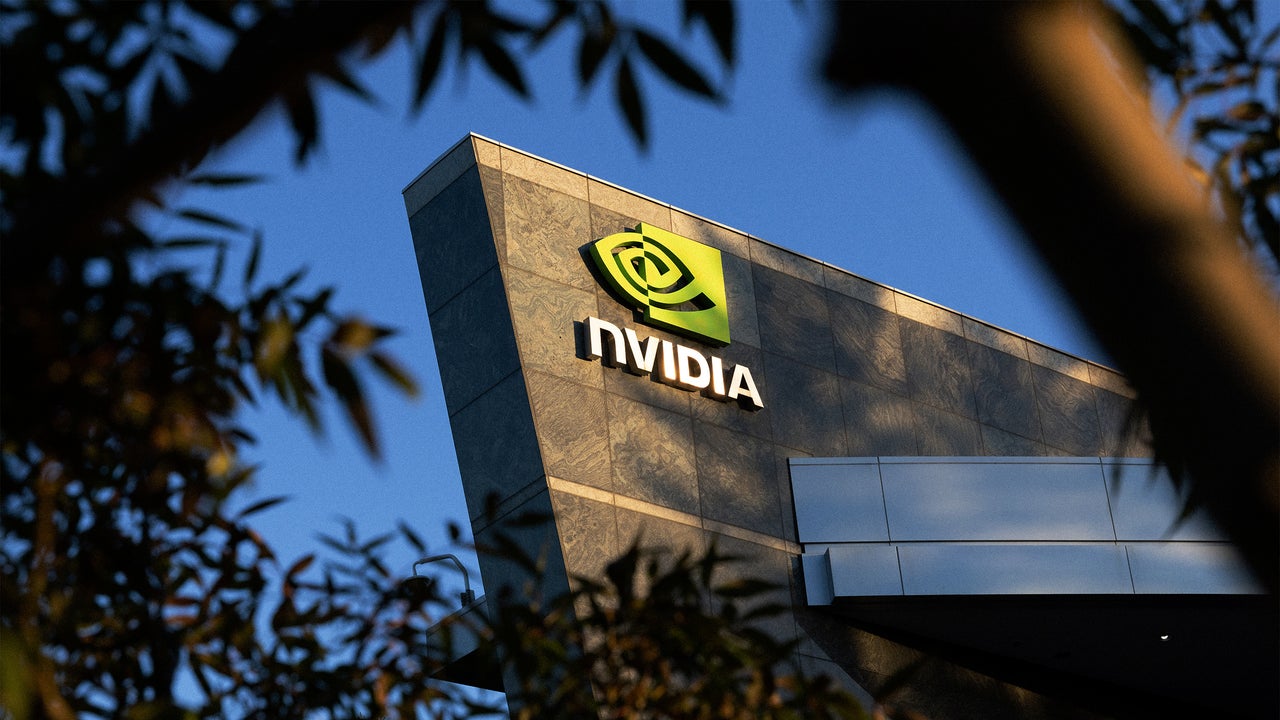
Nvidia, a global leader in AI chip manufacturing, was recently rocked by a scandal involving its CEO, Jensen Huang. On November 12, Huang resigned after admitting to having a romantic affair, compounded by allegations that he was involved with a woman suspected of being a Chinese spy. The scandal has had far-reaching implications for the company and the AI industry as a whole.
Nvidia dominates the AI chip market, controlling an estimated 80% of the global supply. The company's GPUs are essential for training AI models and powering AI applications like ChatGPT. With a market capitalization of $5 trillion, Nvidia is currently the world's most valuable company, though this figure has since dropped to $4 trillion in the wake of the scandal.
The CEO's downfall began with the revelation of a second affair, this one with an Nvidia executive. Initial denials gave way to an admission of guilt, and Huang's resignation followed soon after. His resignation leaves a void in a company where Huang's extensive involvement in strategic decisions has been crucial.
Nvidia's business model is deeply intertwined with the AI ecosystem. The company sells its technology to major players like Microsoft, Amazon, and OpenAI, while also investing heavily in the AI sector. High-profile partnerships with companies like Anthropic and CoreWeave have helped Nvidia maintain demand for its products, even as the broader AI market evolves.
With Huang's departure, Nvidia faces uncertainty regarding its strategic direction and relationships with customers. The company's next CEO may struggle to replicate Huang's level of involvement and vision for the product. Additionally, internal conflicts over control could arise, potentially impacting Nvidia's ability to innovate and maintain its competitive edge in the rapidly evolving AI landscape.
Written by urgent.news from Fast Company's reporting — not their text. Machine-written — may contain errors; check the original before relying on it.