Cybersecurity: Experten warnen: Kühlregale sind erst der Anfang – Hacker zielen auf den Mittelstand
Die Zahl der Cyberangriffe steigt stetig, Künstliche Intelligenz verschärft das Problem. Doch nach wie vor sind viele Unternehmen nicht ausreichend geschützt. Dabei wäre das durchaus möglich.
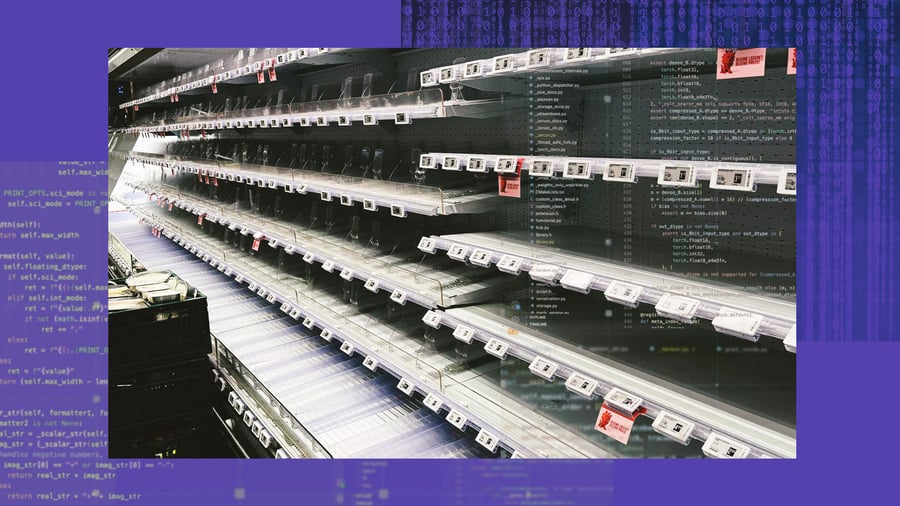
Cybersecurity experts warn that refrigerator warehouses are only the beginning of a larger threat from hackers targeting small and medium-sized enterprises. In recent months, wind turbines, solar farms, and even a heating power plant in Poland were attacked, with a blackout nearly avoided. Industrial facilities in the United States were also targeted, with Siemens' control system being used as an entry point. Recently, hackers breached a blood plasma storage facility.
The issue is no longer limited to compromising refrigeration systems in supermarkets. Any location where networked devices can be controlled by hackers is now a target. Marc Dönges, project leader at the Transfer Center for Cybersecurity in the Middle Class, explains that the threat is transferable to other industries, home automation systems, and various Internet-connected devices. Often, hackers target small and medium-sized enterprises because they are more vulnerable.
According to a PwC study, 11 percent of all middle-class entrepreneurs experienced a cyber attack this year, with a third of them suffering production or service disruptions. PwC's IT security expert, Nial Moore, notes that many companies systematically overestimate their cyber defense capabilities, and their security budgets are often too low.
The Digital Association Bitkom estimates cybercrime-related damages in German companies to be up to 200 billion euros per year. Bitkom President Ralf Wintergerst warns that a successful cyber attack can mean the end of a company's economic viability. Recent hacker attacks on thousands of refrigeration devices in European supermarkets demonstrated the drastic consequences of such cyberattacks.
The French authorities believe Iran is responsible for the hacker attacks on refrigeration systems in October, attributing the actions to a unit of Iranian Revolutionary Guards. French cybersecurity agency ANSSI found similar attacks on Schneider Electric's control systems used in small hydroelectric plants, although with moderate impact.
The attacks on Siemens control systems in water treatment facilities and other critical infrastructure providers in the United States have been investigated by the FBI. The attacks show a clear increase in frequency, and experts believe the use of artificial intelligence (AI) accelerates hackers' work, from identifying vulnerabilities to programming malware.
Written by urgent.news from Handelsblatt's reporting — not their text. Machine-written — may contain errors; check the original before relying on it.