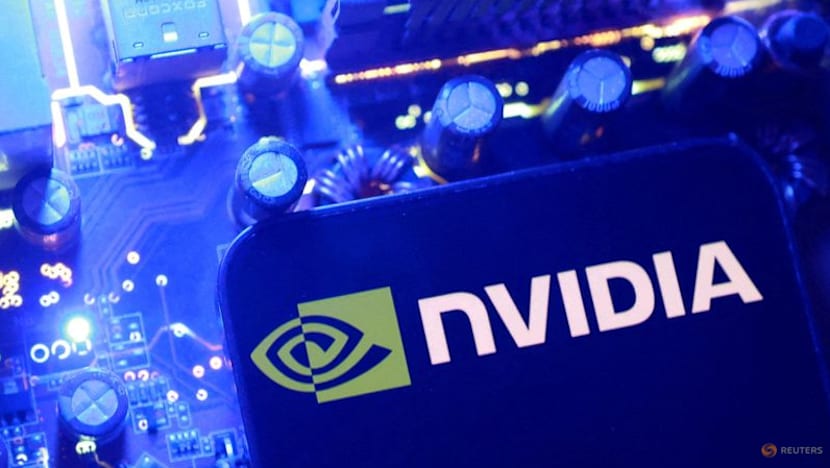
Chinese university bought advanced Nvidia chips despite US curbs
Procurement notices show Northwestern Polytechnical University bought four Nvidia H200 chips through a local supplier.
Malaysia is contemplating new legislation to oversee data centre operators and track the import of high-performance artificial intelligence (AI) chips, as concerns grow over potential attempts to bypass United States export limits on advanced semiconductors. Investment, Trade and Industry Minister Datuk Seri Johari Abdul Ghani outlined the proposed framework, which would necessitate companies establishing data centres to disclose their operators, facility addresses, and anticipated quantities of graphics processing units (GPUs) they intend to import.
The government aims to ensure that restricted chips are utilized for legal domestic activities and not redirected to prohibited markets via Malaysia.
Last year, Malaysia implemented export controls on high-performance AI chips originating from the United States in response to Washington's pressure to avoid their diversion to China. Johari clarified that the government does not intend to examine Speedmatrix, the Malaysian subsidiary of Singapore-based cloud computing firm Megaspeed, over allegations of allegedly facilitating Nvidia chips to Chinese users.
He explained that if the GPUs are acquired for their intended use within data centres, no existing laws need to be invoked for investigation.
Megaspeed, in a statement on its website, affirmed its commitment to complying with US export control laws and cooperated with the US government. The company's chairman and CEO, James Tan Yong Pong, welcomed appropriate government scrutiny and highlighted their dedication to operating responsibly, transparently, and in accordance with applicable US laws.
The proposed legislation comes amid reports that Malaysia's trade and investment relations with Taiwan remained unaffected despite claims of a postponement in bilateral negotiations. Johari emphasized that both nations continue to communicate and that trade, including exports and imports, persists without disruption. He reaffirmed Malaysia's adherence to the One-China Policy since 1974 and expressed openness to resuming discussions under a 1993 agreement.
Both countries indicated their willingness to negotiate, despite Taiwan's reported concerns over sovereignty, economic security, and the interests of Taiwanese investors. Prime Minister Anwar Ibrahim maintained that bilateral trade and investment relations remained unaffected, clarifying that the postponed meetings concerned specific committees rather than all trade and investment negotiations.
Written by urgent.news from The Vibes's reporting — not their text. Machine-written — may contain errors; check the original before relying on it.
This story
This is one outlet's version. Read the fullest account.
- Malaysia moves to tighten data centre controls amid scrutiny over Nvidia chip exports thevibes.com
- How China gets around the U.S. ban on Nvidia chips cbc.ca
- Military-linked Chinese university bought Nvidia H200 chips despite US blacklist, records show thehindu.com
- Chinese university bought advanced Nvidia chips despite US curbs freemalaysiatoday.com
- Military-linked Chinese university bought Nvidia H200 chips despite U.S. blacklist, records show japantimes.co.jp
- Nvidia may lose Jensen Huang. The repercussions reach far beyond chips. businessinsider.com
- Nvidia puts Singapore chip hub in the spotlight cincodias.elpais.com
- Chinese university bought advanced Nvidia chips despite US curbs channelnewsasia.com