China's memory makers are catching up. What happens when they do?
The memory business has rarely had it this good, thanks to the artificial intelligence (AI) boom. Korea’s chipmakers are reporting extraordinary earnings and unusual confidence that the good times will last. SK hynix’s third-quarter operating profit rose more than sevenfold to 83.3 trillion won ($62 billion), an operating margin of almost 80 percent. Samsung Electronics’ rose nearly ninefold to…
The memory business has never been as prosperous as it is now, primarily due to the artificial intelligence (AI) boom. Korean chipmakers are reporting extraordinary profits and an unprecedented level of confidence that this trend will continue. SK hynix's third-quarter operating profit surged more than sevenfold to 83.3 trillion won ($62 billion), boasting an operating margin of nearly 80 percent.
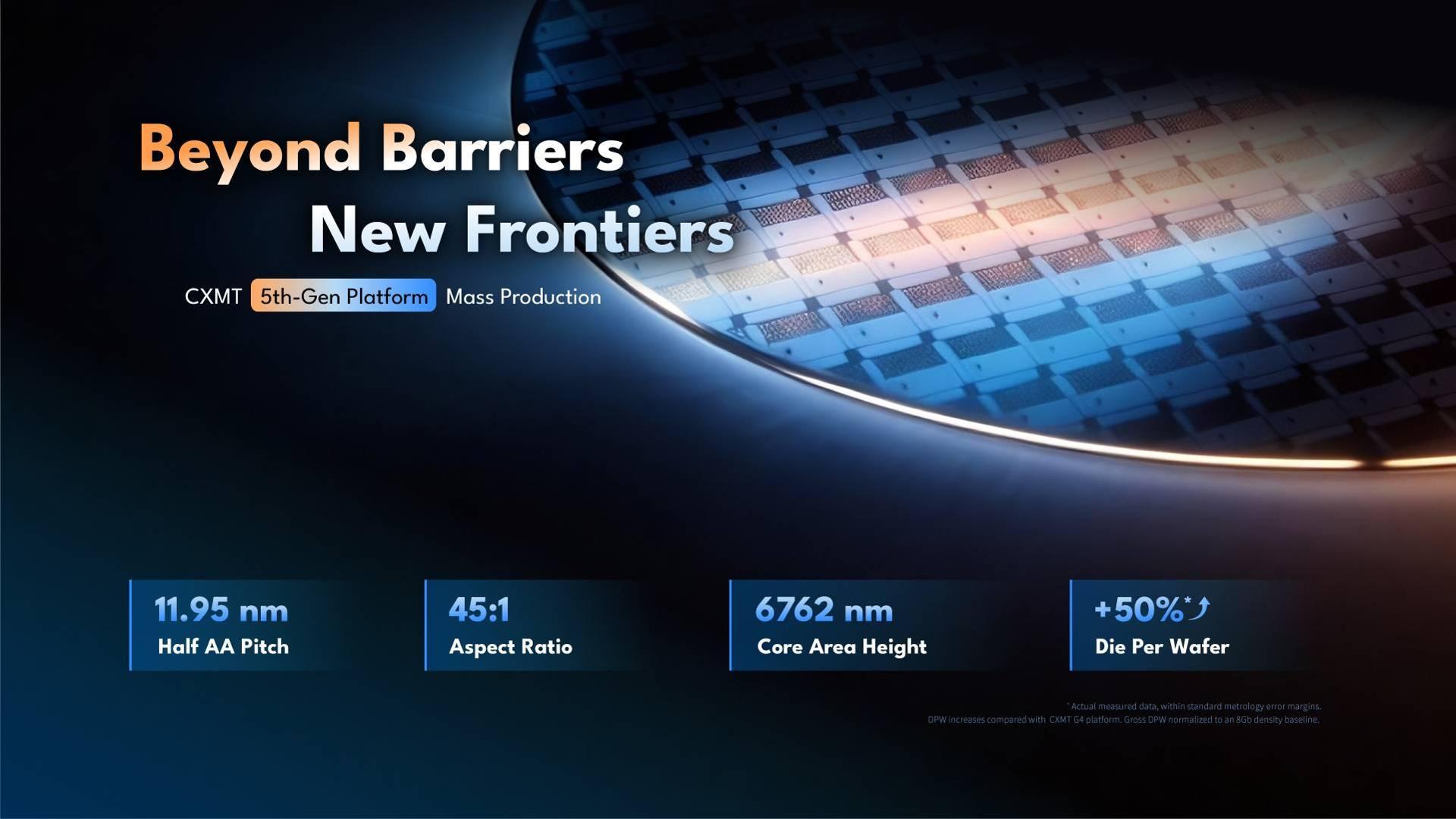
Samsung Electronics also enjoyed a remarkable ninefold increase, reaching 107.4 trillion won, with its memory business setting new records of its own. In the region across the West Sea, China's competitors are reaping the benefits of this success. ChangXin Memory Technologies (CXMT) and Yangtze Memory Technologies (YMTC) are the key players in China's efforts to achieve memory self-sufficiency, as part of Beijing's broader strategy for technological independence amidst U.S. export restrictions.
With fresh capital, new factories, and increasingly sophisticated technology, these Chinese companies are poised to challenge the dominance of their competitors.
Written by urgent.news from The Korea Times's reporting — not their text. Machine-written — may contain errors; check the original before relying on it.
This story
This is one outlet's version. Read the fullest account.
- China's memory makers are catching up. What happens when they do? koreatimes.co.kr