Autonomous Trucks Could Be Cheaper Than Human Drivers in U.S. by 2028
In Europe and the Middle East, the same cost crossover isn't expected to occur until closer to 2030 and 2032 respectively.
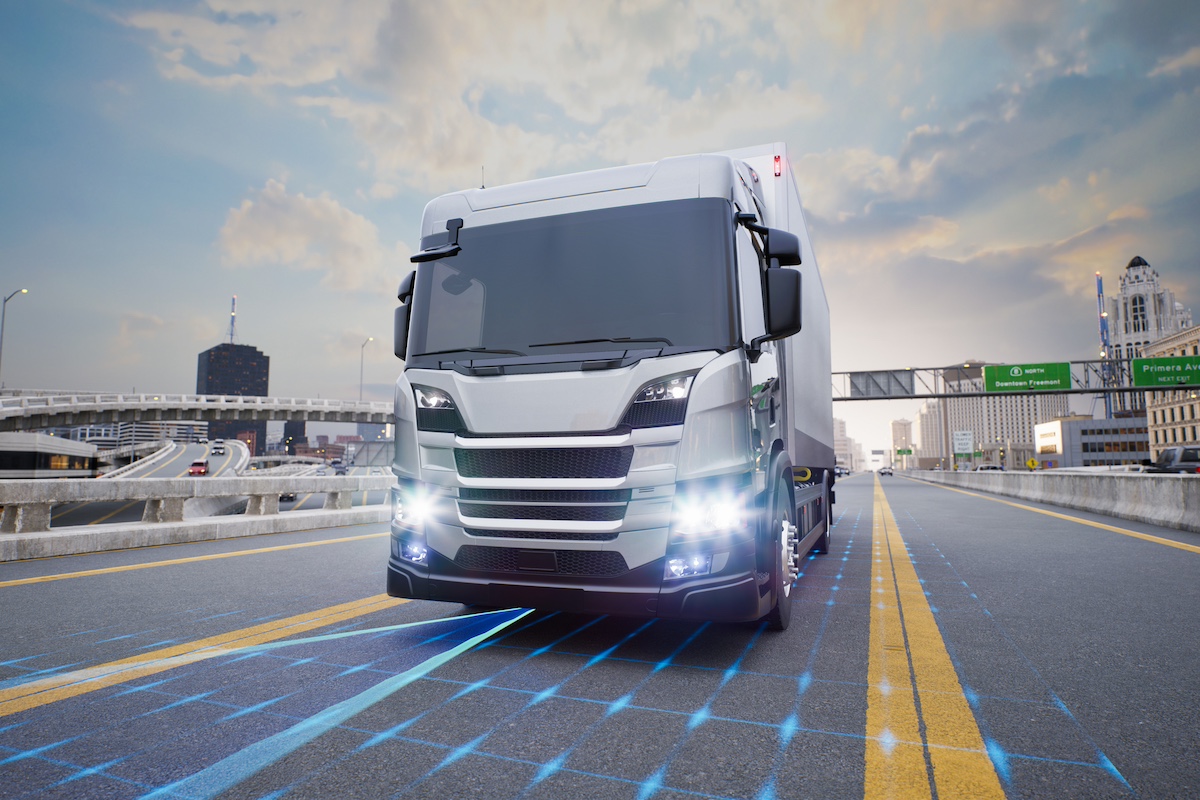
By 2028, autonomous trucks in the United States may become cheaper to operate than those driven by human operators, according to research from Kearney and the MIT Mobility Initiative. In 2026, the per-mile cost for autonomous trucking was around $4, compared to $2.50 for human drivers, when accounting for fuel, benefits, insurance, and other expenses.
However, autonomous costs are projected to drop to $3.30 a mile in 2027, and $2.60 in 2028, while human-driven trucking costs are expected to rise to $2.60 a mile by next year and $2.70 in 2028.
The cost difference is primarily due to the significant expense of human drivers, which accounts for about 50% of a U.S. truck's per-mile cost. Therefore, removing this cost is crucial for cost-crossover to occur. Kearney explains that autonomy pays off first in regions with expensive and scarce drivers, such as the United States.
A separate study by Goldman Sachs released in May also predicts that autonomous semi-trucks could be cheaper to operate than human-driven trucks by 2028. Bot Auto, a U.S.-based autonomous trucking company, successfully completed a trial in early 2026, delivering the country's first fully humanless commercial truckload with an all-in cost of less than $2 a mile. Similarly, Aurora, another autonomous trucking company, estimated a per-mile cost of just $1.84 for an autonomous trucking trial between Fort Worth and Phoenix.
However, challenges remain regarding the safety of autonomous trucks in bad weather and unexpected road hazards, their susceptibility to cyberattacks, and the potential job losses for human drivers. The U.S. Department of Transportation's March 2026 analysis identified over 90 potential cybersecurity threat scenarios in a model system allowing human operators to remotely assist autonomous commercial vehicles.
In August, Teamsters California filed a lawsuit against the state’s Department of Motor Vehicles over rules permitting heavy-duty driverless trucks, arguing that regulators did not adequately assess the risks to public safety and potential job losses.
Written by urgent.news from Supply Chain Brain's reporting — not their text. Machine-written — may contain errors; check the original before relying on it.