Amid Nvidia’s suspected Chinese spy scandal, what is a ‘honey trap?’
The Canadian Security Intelligence Service (CSIS) said 'cultivation' — which includes romantic entanglements — is an effective tool deployed by intelligence services.
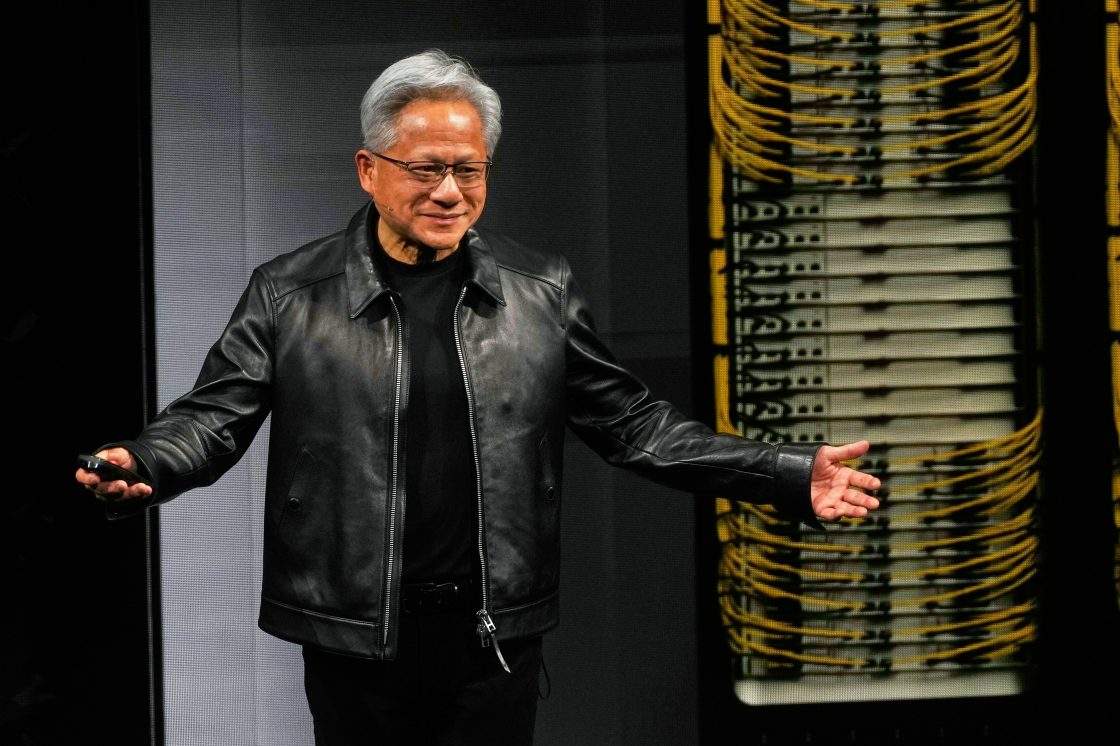
The allegations that Nvidia CEO Jensen Huang became entangled with a suspected Chinese spy have shocked the tech world, but are not unexpected to those in intelligence gathering. "Honey trap" operations, where a spy forms a romantic relationship with their target to gain information, have been a long-standing tactic according to Toby Braun, CEO of the American Special Investigative Group. Braun explained that sex, money, ego, and power remain effective tools for compromising individuals.
Nvidia CEO Jensen Huang stepped down amid reports of multiple extra-marital affairs, including one woman believed to be acting on behalf of China. This comes after another woman, his subordinate at Nvidia, also surfaced in allegations. The chipmaking company was on track to lose $500 billion in market value, a significant blow to the AI boom. Huang's exit has left the company uncertain and could disrupt the ecosystem he helped foster by reinvesting profits back into the industry.
Canadian Security Intelligence Service (CSIS) has described "honey traps" as "sexual entrapment," indicating that foreign governments use this tactic. The tactic involves covertly recording intimate encounters, which are then used as blackmail material. Another CSIS report on foreign interference discussed "cultivation," where spies develop deep relationships with targets to steal information.
Former CSIS intelligence officer Andrew Kirsch explained that this is an extension of building rapport and gaining trust to obtain information.
Braun noted that his private security company has seen an increase in honey trap operations targeting individuals in government operations and the private sector, particularly for companies with government contracts. Huang, with his access to professional corporate security and regular briefings from U.S. intelligence agencies, would have been aware of the risks. However, corporate security plans only work if followed. Kirsch suggested that events like this scandal can wake executives up to the risks.
Written by urgent.news from Global News's reporting — not their text. Machine-written — may contain errors; check the original before relying on it.
This story
This is one outlet's version. Read the fullest account.