After years of speculation, Suriname evicts Mennonites farming in the Amazon
More than 50 Mennonites have been deported from Suriname following years of controversy over plans to establish agricultural settlements for large-scale farming in the Amazon Rainforest. Authorities removed the Mennonites, members of a conservative Christian group that rejects modern technology, from state land in Suriname’s Sipaliwini district. They had been staying in the area with […]
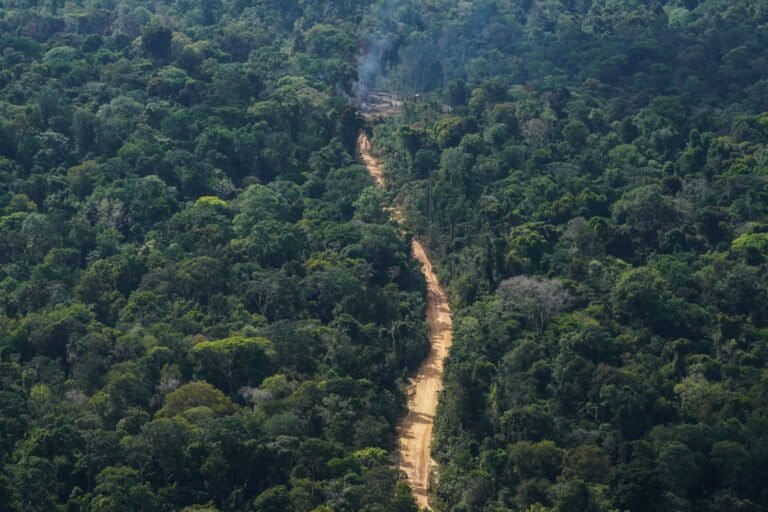
Suriname has expelled over 50 Mennonites from the Amazon Rainforest, ending a prolonged dispute over plans for large-scale farming in the region. The exodus occurred after authorities discovered the Mennonites, adherents of a Christian group that shuns modern technology, had overstayed their residency permits on state land in Suriname's Sipaliwini district.
On October 31, the group was airlifted to Bolivia, their country of origin. President Jennifer Geerlings-Simons expressed her opposition to large-scale agriculture in the Amazon, stating, "The point is essentially that the primary Amazon Rainforest is not being cut down for large-scale agriculture. I am opposed to that." In 2023 and 2024, Mongabay exposed plans to transfer vast tracts of rainforest to Suriname's Ministry of Agriculture, Livestock, and Fisheries, which involved relocating Mennonites from other Latin American nations to aid in the development of large-scale farming projects.
Mennonites have a history of swiftly establishing profitable agricultural enterprises across the Americas, but these efforts frequently result in deforestation. Approximately 93% of Suriname is forested. Although several Mennonite agriculture initiatives were halted due to public outcry over preserving the country's forest cover and net-negative carbon emissions status, one project persisted in 2024 through a public-private partnership.
Written by urgent.news from Mongabay's reporting — not their text. Machine-written — may contain errors; check the original before relying on it.