A robot has assembled a structure in space for the first time
Autonomous in-orbit manufacturing will be key to any future space economy, and researchers have taken the first step with a robot building a radio antenna without astronaut assistance
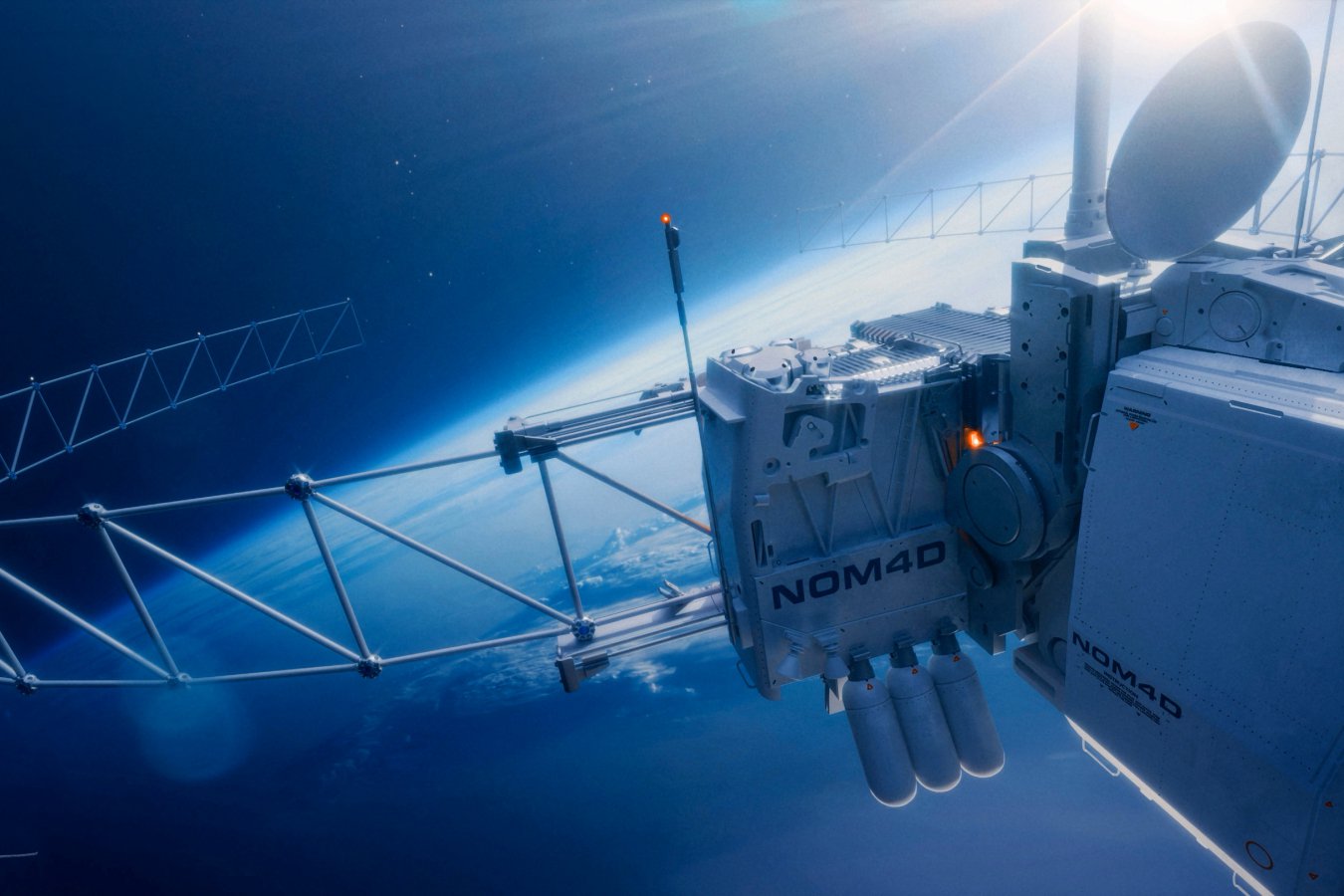
A robot has accomplished a historic feat by constructing a structure in space without relying on astronauts. This groundbreaking achievement marks the beginning of autonomous in-orbit manufacturing and assembly, a crucial step towards establishing an orbital economy. Sergio Pellegrino, from the California Institute of Technology, spearheaded this project as part of a U.S. Defense Advanced Research Projects Agency (DARPA) initiative exploring innovative space construction methods.
Traditional space structures have either been assembled with astronaut assistance or pre-assembled and folded for launch. However, unfolding proves inadequate for complex structures, and astronaut involvement is financially impractical. Pellegrino elucidates, "We've been unfolding things in space, there's been a lot of unfolding. The big picture is how are we going to transition from unfolding in space to building in space."
The team devised a sophisticated robotic arm that effectively picks up parts and assembles them, akin to erecting a tent or manipulating a toy construction set. The precision required in these movements presents significant challenges, particularly given the tight timeframe of just 18 months from concept to orbital deployment. Upon its March 2023 launch from Vandenberg Space Force Base in California, the robot commenced the construction of a 1.4-meter-diameter radio antenna using a series of tubes, joints, and reflective nets.
Continuous image transmission of each step back to Earth facilitated real-time monitoring and troubleshooting by a ground-based counterpart. Although the antenna's construction is still ongoing, with the mission scheduled to conclude in December, the progress thus far has substantiated the viability of this novel approach, according to Pellegrino.
Looking ahead, Pellegrino envisions a collaborative push from researchers and space-flight businesses to accelerate the development of more advanced assembly systems. His vision extends to the construction of significantly larger structures within the next five years, ultimately paving the way for a mature infrastructure in space.
By delegating space-based construction tasks from human hands, this pioneering endeavor could catalyze rapid advancements in orbital businesses and scientific endeavors. The successful assembly of a single radio antenna in space represents just the beginning of this transformative journey.
Written by urgent.news from New Scientist's reporting — not their text. Machine-written — may contain errors; check the original before relying on it.