9 in 10 sexual and gender minority people feared stigma in Ghana’s 2024 elections – Study finds
A study by Rightify Ghana says 94.3 per cent of the sexual and gender minority people it surveyed feared stigma and discrimination during Ghana’s 2024 elections.
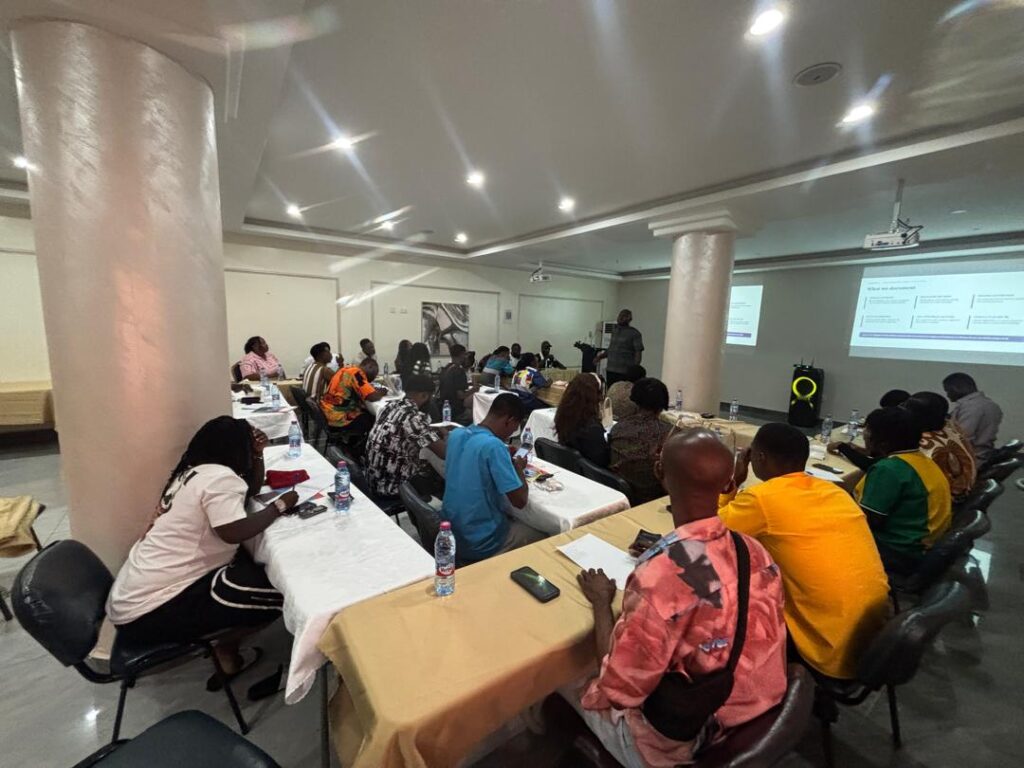
A study conducted by Rightify Ghana revealed that 94.3% of the sexual and gender minority individuals surveyed feared stigma and discrimination during Ghana's 2024 elections. The human rights group shared these findings in the Ashanti Region as they prepared to train volunteers to document rights abuses prior to the 2028 elections.
The study, titled Navigating Democracy, examined safety, inclusion, and political participation among 218 people from six regions. Of these, 176 completed a survey, and 42 participated in focus groups and key informant interviews. Despite the fear, approximately two-thirds of respondents (64.8%) voted in 2024. However, fewer engaged in other forms of political participation, with only 26.1% joining campaigns and 20.5% participating in policy discussions.
A significant number, 30.1%, never participated in any political activities. Ebenezer Peegah, the Executive Director of Rightify Ghana, emphasized that while people voted, they encountered barriers. He stated that Ghana's democracy is not inclusive, and to strengthen democracy, it must become more inclusive. The study found that political campaigns negatively affected 56.8% of respondents, with 42.6% stating it affected them very negatively.
After stigma, safety concerns, family or community pressure, perceived legal restrictions, lack of information, and economic barriers were named as barriers to participation. 78.4% of respondents felt unsafe participating in civic life, 75.6% faced or witnessed discrimination, and 72.7% encountered misinformation frequently. Presidential and parliamentary candidates, political leaders, sports figures, and cultural personalities were seen targeting minority groups, indicating a sign of democratic backsliding.
The Constitution guarantees every citizen the right to vote and be voted for, including key populations. Peegah pointed out that these individuals pay taxes and their number is sufficient to influence votes. He urged political parties to campaign on issues rather than targeting specific groups, promoting issues that improve the lives of Ghanaians, such as unemployment and poor infrastructure.
Rightify Ghana's volunteers, called Equality Envoys, will document cases, follow them up, and report on incidents in their respective regions. They will also alert when politicians make statements that cause fear. The organization also operates an early warning system to educate people about the signs of democratic backsliding. One example Peegah cited involved traditional authorities banning people from their communities, which is illegal according to the courts.
Written by urgent.news from MyJoyOnline Ghana's reporting — not their text. Machine-written — may contain errors; check the original before relying on it.