Winter is Russia's weapon
Winter began this year in August, once again confirming that the wisest person in my family was my grandfather Stepan. He taught me that summer ends on Aug. 2, the feast day of Saint Elijah, according to the old church calendar. From his lessons, I learned that after that day, it is no longer advisable to swim in rivers and lakes because the water in their underwater channels becomes icy cold.…
Winter arrived in Russia in August, a reminder that the wise advice of Stepan, the family's grandfather, holds true. According to the old church calendar, the feast day of Saint Elijah marks the end of summer, signaling icy cold waters in rivers and lakes. Elijah, a saint in Ukrainian folklore, embodies resilience in adversity. Despite the challenges, the cold has its benefits, such as hibernating snakes and safer mushroom hunting in the Donbas posadkas.
This summer, a severe drought hit the region, leaving no mushrooms and causing extreme heat. The narrow woodland strips, or posadkas, serve as both defensive lines and shelters during warfare. Despite Russia's technological advancements, the outcome of the war ultimately depends on nature's cycles. From drones to artillery, the effectiveness of military resources hinges on the weather.
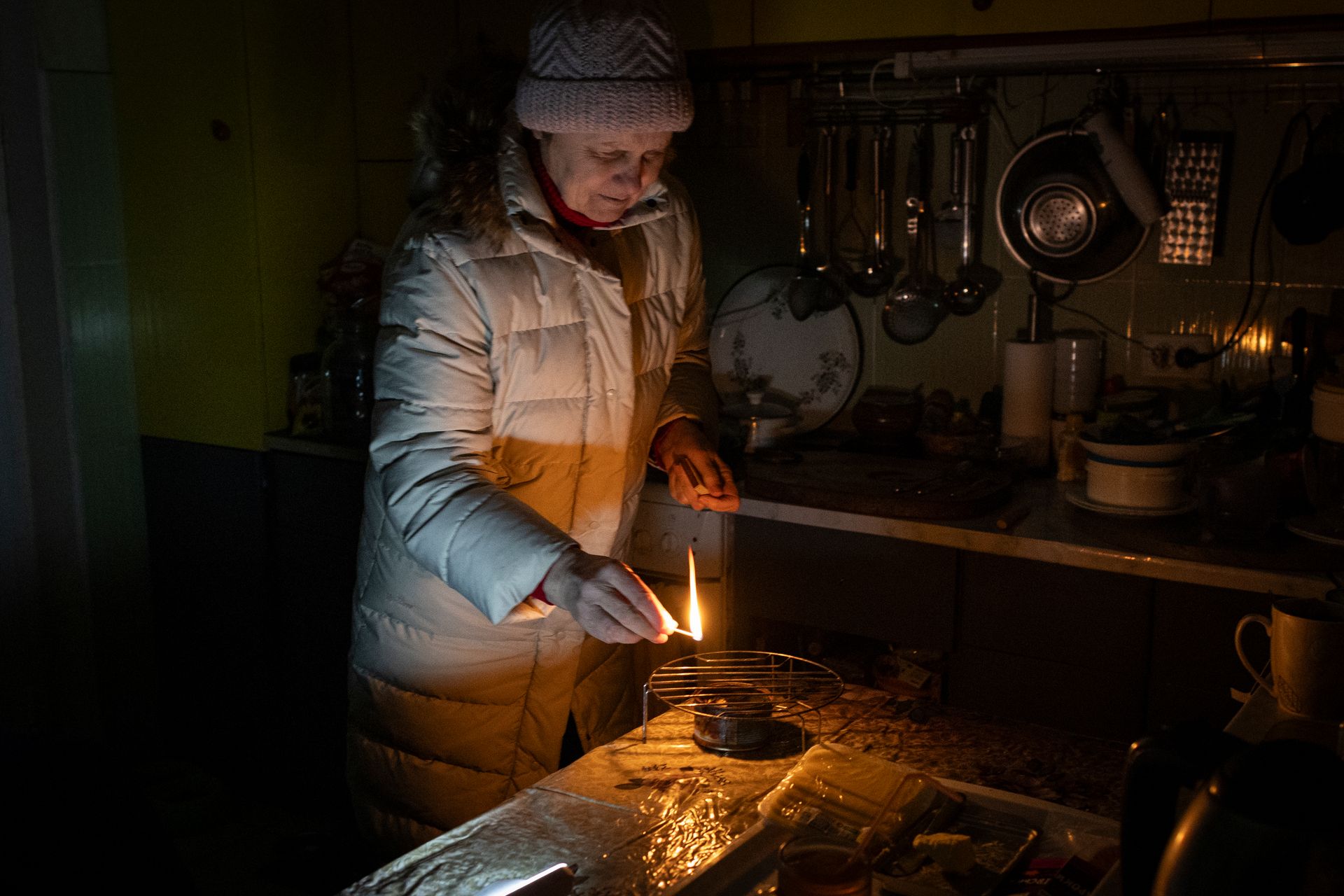
The full-scale invasion began in February, timed to avoid antagonizing China and allow for a safe passage of heavy machinery. As the fifth winter of the war approaches, Russia is utilizing its knowledge of nature's effects to weaken Ukraine's rear. Cold weather becomes an extension of the attack, impacting homes, hospitals, and civilian life, pushing civilians toward surrender.
Written by urgent.news from Kyiv Independent's reporting — not their text. Machine-written — may contain errors; check the original before relying on it.