Why Owner-Operators Are Leaving The Small-Fleet Tier, And Where Their Trucks Go Next
For three and a half years the smallest tier of trucking has been quietly emptying out, with the number of tractors run by one-to-six-truck carriers sliding from a 2023 peak near 398,000 all the way back to about 362,000, and the easy explanation, that owner-operators are simply going out of business, misses what the federal […] The post Why Owner-Operators Are Leaving The Small-Fleet Tier, And…
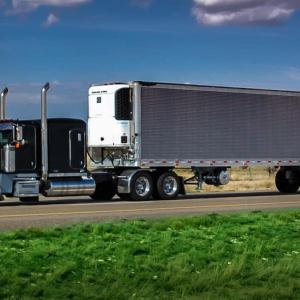
In recent years, the smallest tier of trucking, owned by one-to-six-truck carriers, has been witnessing a steady decline in the number of tractors operated. This trend, which began in 2023, has continued into 2025, with the total number of tractors operating in this segment falling from a peak of near 398,000 to around 362,000. While some may attribute this to owner-operators exiting the business, the federal data reveals a more complex story.
The retreat is not merely a matter of operators leaving; a significant portion of the tractors simply change their affiliation, with the owners transferring their authority to larger carriers.
The data shows that while the number of tractors in the smallest tier has decreased, the overall base of the market, encompassing private and intrastate operators, remains large, with over 1.8 million active carrier registrations. The primary reasons for this shift are rooted in cost and rate structures. On the cost side, several factors have contributed to the squeeze on owner-operators.
Fuel prices have soared, with diesel reaching a record high of 6.127 dollars a gallon in September 2026, more than doubling the cost from the previous year. This increase is nearly double the cost of fuel a year earlier and is expected to surpass the previous all-time high, given diesel's current price of 6.127 dollars a gallon as of November 9, 2026.
This relentless rise in fuel costs, which averages around 48 cents per mile, is particularly detrimental to small carriers who lack the ability to recover such expenses through fuel surcharges, unlike larger fleets that often have negotiated surcharge programs.
Insurance costs also present a significant burden for small carriers, with premiums reaching around 10.6 cents per mile in 2025, marking a nearly four percent increase over the previous year. Small operators bear the heaviest share of these costs due to their limited capacity to self-insure or negotiate rates. Adding to these costs are rising tolls, maintenance expenses, and driver benefits, all of which have no scale to spread the financial impact.
The combination of escalating fuel prices, rising insurance premiums, and mounting operational costs forms a structural problem where owner-operators face a margin vise, with no room for improvement due to the lack of scale.
On the rate side, the picture is somewhat more favorable. Spot rates for vans and reefers have been firming up, with contract pricing expected to increase significantly into the next year. This might seem like a ray of hope for owner-operators, but a closer look reveals a different reality. While rates are improving, the cost of fuel and insurance are escalating at a rate that surpasses the ability of small carriers to recover through higher rates.
For instance, a mid-sized fleet engaged in contract freight can benefit from rising rates while simultaneously recovering fuel costs through surcharge programs. In contrast, the owner-operator on the load board captures a better rate but is left with the full brunt of the increasing fuel costs, resulting in thinner net margins even with improved rates.
This analysis highlights the complex interplay of economic factors and market structures that are driving small owner-operator fleets out of the smallest tier of trucking.
Written by urgent.news from FreightWaves's reporting — not their text. Machine-written — may contain errors; check the original before relying on it.