Why do some patients respond to drugs and others don't? Switchpoint Bio raises $5.3M to find out
Emerging from stealth, Helsinki-Cambridge biotech startup Switchpoint Bio has raised $5.3 million in a pre-seed financing round, including a $5 million investment from Treehouse Delmar Investments.Mo...
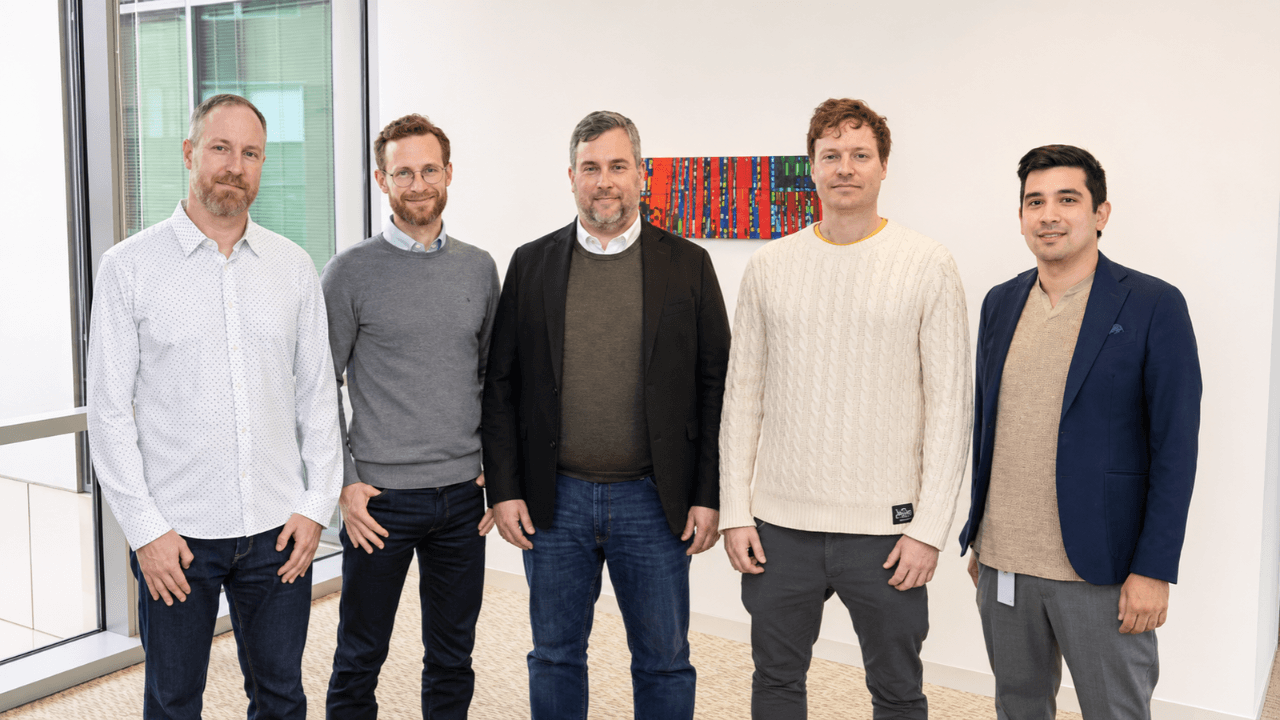
Helsinki-Cambridge biotechnology company Switchpoint Bio has secured $5.3 million in pre-seed funding to develop a novel approach for measuring biological changes in patients undergoing treatment with modern medicines. The company's unique method relies on analyzing epigenomic marks found in circulating immune cells within a blood sample, with the goal of providing a scalable view of how disease and treatment impact human biology.
Traditional clinical endpoints take months or years to measure, while tissue biopsies are invasive and challenging to repeat, and conventional blood biomarkers only indicate outcomes without revealing the underlying biological mechanisms. By combining precision epigenomic profiling with artificial intelligence, Switchpoint Bio aims to enable drug developers to identify the biological changes that occur before, during, and after treatment, allowing them to better understand which patients are likely to respond favorably and why.
The startup was co-founded by Samuel Myllykangas, PhD, and Jason Buenrostro, PhD, who previously worked together at Stanford University to develop targeted sequencing technologies. Switchpoint Bio's approach leverages recent advancements in epigenomics, single-cell biology, and AI to transform deep cellular biology into a practical, blood-based measurement that can be repeated multiple times in a clinical setting.
The company is currently testing its technology in autoimmune diseases such as systemic lupus erythematosus (SLE) and is actively seeking industry partnerships to validate its approach in treatment response.
Written by urgent.news from Tech.eu's reporting — not their text. Machine-written — may contain errors; check the original before relying on it.