US rail traffic hits intermodal record as October freight gains signal economic resilience, says AAR
Intermodal hits record mark as U.S. railroads see volumes increase across much of the freight economy, says AAR. The post US rail traffic hits intermodal record as October freight gains signal economic resilience, says AAR appeared first on FreightWaves .
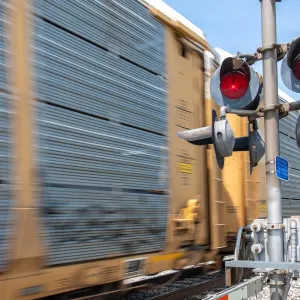
U.S. railroads delivered a record 9.6% jump in intermodal traffic in October, according to the Association of American Railroads (AAR). The average weekly volume of 298,000 containers and trailers surpassed any previous monthly record. Railroads handled 3.4% more carloads year-over-year, while excluding coal, carloads rose 4.5%. Fifteen of the 20 carload categories increased compared to last year, and 16 out of 20 categories showed growth through the first 10 months of 2026.
This breadth of growth indicates industrial strength rather than simply a shift from highways to rail. The past three months recorded the strongest intermodal months on record. October, typically the busiest month for retailers gearing up for holiday demands, saw the first, third, and fifth-highest intermodal traffic weeks ever recorded.
Intermodal traffic was 4.7% higher than the same period last year, indicating a strong momentum that could lead to a new annual record. Higher costs for truckers, fewer truck drivers due to federal crackdowns, and solid rail service all contributed to the surge in intermodal shipments. Resilient consumer spending and inventory replenishment by some retailers also fueled the growth.
Motor vehicles were a standout category, with a nearly 10% increase in carloads, or approximately 5,900 shipments, from a year earlier. This 9% increase was the strongest percentage gain since December 2023. Several industrial categories, including petroleum products, iron and steel scrap, steel products, and chemicals, reached multiyear highs. Chemical shipments, the second-largest source of rail revenue after intermodal, showed their fastest carload growth in seven months.
Grain traffic, however, declined for the first time in 12 months, down 1.6% for the year to date. This decline was largely due to exports, which rose 13% by volume in the first half of 2026 before falling in the third quarter. Higher coal exports partially offset weaker domestic coal-fired electricity generation.
Despite economic headwinds, the AAR expects rail volumes to continue growing into 2027, driven by broad-based freight gains and underlying industrial strength.
Written by urgent.news from FreightWaves's reporting — not their text. Machine-written — may contain errors; check the original before relying on it.