United is restricting AI agents from booking flights
The airline believes AI poses security risks and may violate DOT and FAA rules.
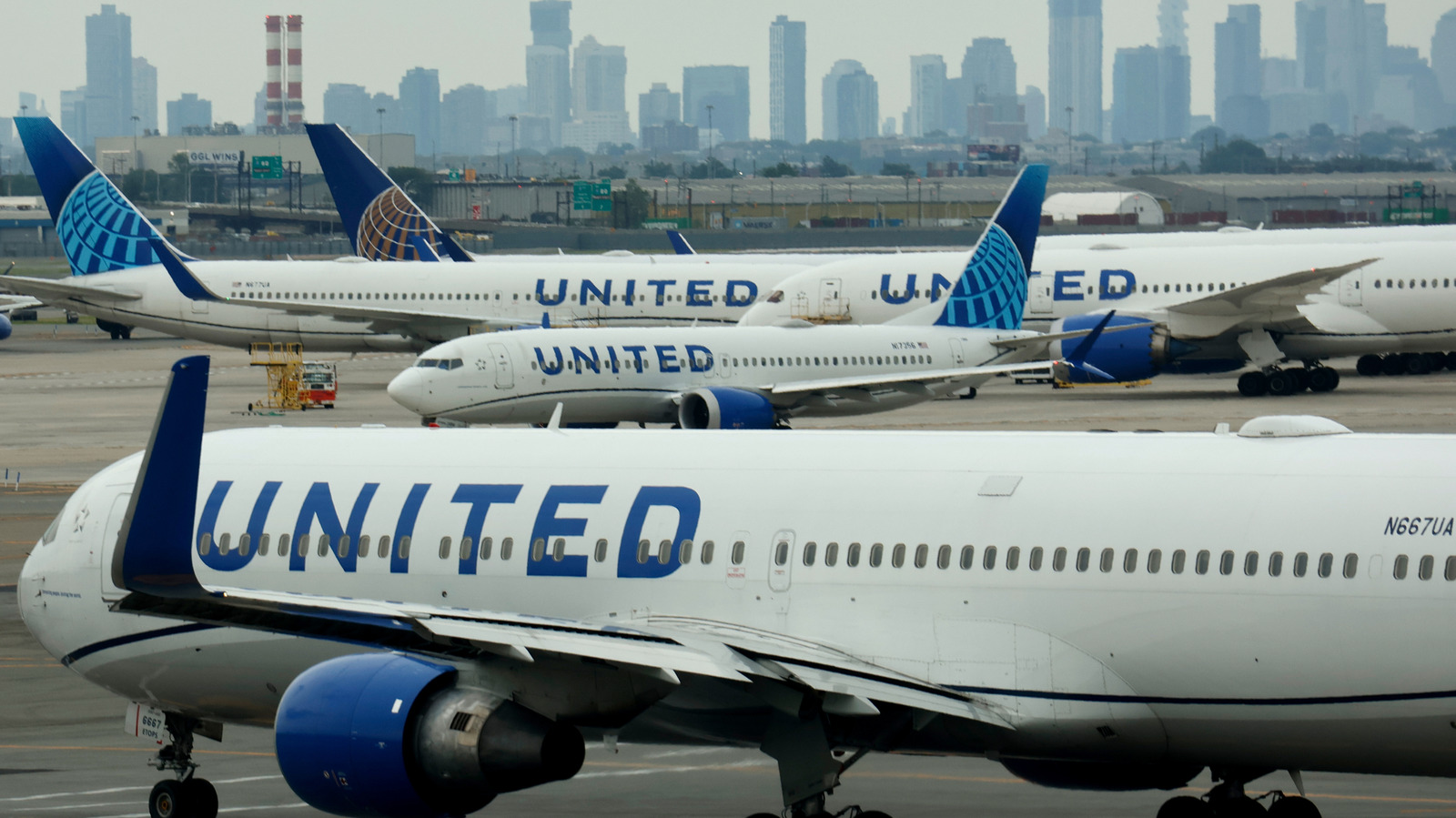
United Airlines has decided to place restrictions on AI agents that attempt to book flights through its website, third-party travel agencies, and flight aggregators. The company believes that artificial intelligence poses security risks and may violate Department of Transportation (DOT) and Federal Aviation Administration (FAA) rules.
This move follows a trend of other major businesses, such as JPMorgan Chase and Amazon, limiting the use of their products by AI agents to avoid potential security and privacy issues. By providing sensitive information like payment details or login credentials to an AI agent, there is a risk of unintended purchases, account changes, or misuse of MileagePlus miles. Furthermore, allowing an AI agent to complete a booking could violate airline regulations set by DOT and FAA.
United Airlines explicitly states that only a human can acknowledge the lack of explosives in a passenger's bag during flight check-in. The airline aims to steer clear of any association with embarrassing incidents, including examples like Meta's Muse, which leaked a user's address online. Additionally, United wants to maintain control over its relationship with customers and prevent AI from interfering with its business operations.
United CEO Scott Kirby has previously expressed reservations about engaging in agentic commerce, stating that he doesn't want to create another middleman. While other airlines, like Southwest, have created plugins for booking flights with AI agents such as ChatGPT, United and others are opting to restrict their use. The reasoning behind this decision stems from the limited adoption of agentic commerce among regular people.
During its recent third-quarter earnings call, Uber shared that AI agents handled only 500 rides out of 320 million trips and deliveries during the week of Halloween, indicating the lack of industry-altering impact.
Written by urgent.news from Engadget's reporting — not their text. Machine-written — may contain errors; check the original before relying on it.
This story
This is one outlet's version. Read the fullest account.