UNICEF report ranks Kenya highly in early-grade learning efforts
NAIROBI, Kenya, Nov 11 – Kenya has been ranked among Africa’s leading countries in foundational learning, with a new continental report recognising its efforts to strengthen early-grade reading and mathematics.…
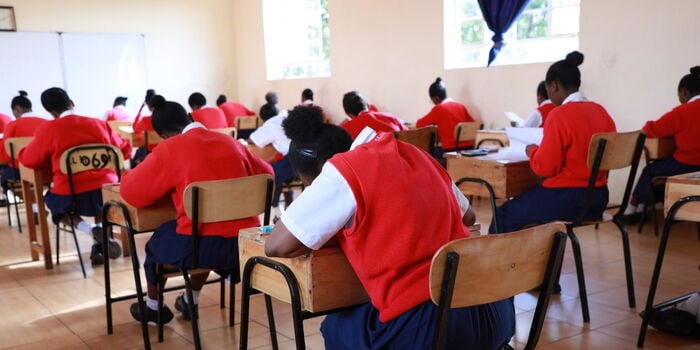
Nairobi, Kenya – Kenya has been acknowledged as one of Africa's top nations in foundational learning, according to a recent UNICEF and Hempel Foundation report. The 2026 Foundational Learning Action Tracker (FLAT) placed Kenya at the "Established" level, indicating strong efforts to enhance early-grade reading and mathematics skills among children.
Covering 52 African countries, the assessment highlighted Kenya's commitment to regular evaluations of reading and math abilities in early grades, allowing for the identification of gaps and targeted interventions. However, the report cautioned that African countries still struggle to convert education policies into improved learning outcomes in classrooms.
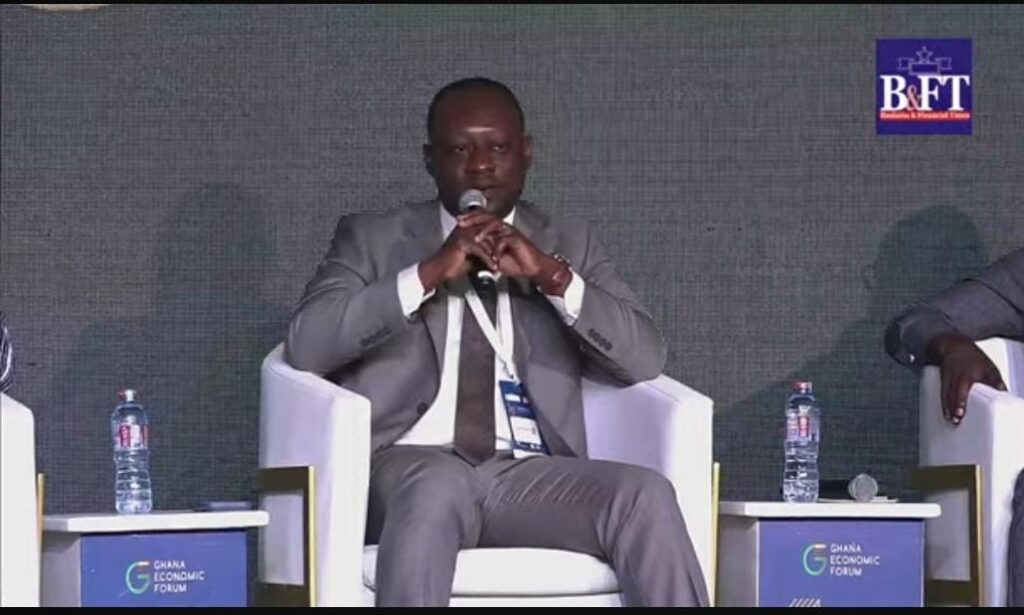
While 70% of African nations utilize assessment data to inform national policies, only 43% employ the data to guide teaching practices in schools. Furthermore, only 27% of countries offer nationwide mental health and psychosocial support for learners within schools. During the report's unveiling in Nairobi on October 19, Kenya's Basic Education Principal Secretary, John Ololtuaa, emphasized the necessity of implementing education policies effectively to improve learning outcomes.
He stressed the importance of continuous improvement, proper execution, and a dedication to serving every learner. Ololtuaa proposed that Kenya's upcoming education reforms should prioritize discovering impactful interventions, assessing their effects, and ensuring all children, regardless of their background or school, benefit.
Matt Brossard, UNICEF's Global Lead on Education Financing, Data, and Learning Assessment, called for heightened funding for schools in disadvantaged regions and a more efficient use of technology and education data. He stressed that adequate funding must be directed to hard-hit areas, and UNICEF cannot single-handedly address the issue.
Brossard stressed the necessity of utilizing AI and digital technology, asserting that data should be actively utilized rather than being inactive. The report revealed that African countries continue to exhibit higher levels of learning poverty and lower foundational learning scores compared to other low- and middle-income nations.
Ololtuaa urged African countries to pledge to execute at least one practical measure to enhance foundational learning within the next year. The report advocates for more effective implementation of education policies, greater reliance on assessment findings in classroom teaching, and enhanced support for teachers to address learners' needs.
Written by urgent.news from Capital Business's reporting — not their text. Machine-written — may contain errors; check the original before relying on it.