The world is finally bleak enough for James Gray's cinema of stagnation
As James Gray returns to the mean streets of Brighton Beach with Paper Tiger, he reconnects with his earlier crime drama gems.
New York City is renowned for its iconic landmarks and cultural institutions, yet there lies a world beyond these popular spots. For over a decade, James Gray, a New Yorker with roots in Queens, has sought inspiration from the darker side of Southern Brooklyn. This neighborhood, home to Eastern European immigrants, crumbling warehouses, and strong men exchanging words on street corners, has been the backdrop for several of Gray's films, including Little Odessa, We Own The Night, Two Lovers, and his latest, Paper Tiger.
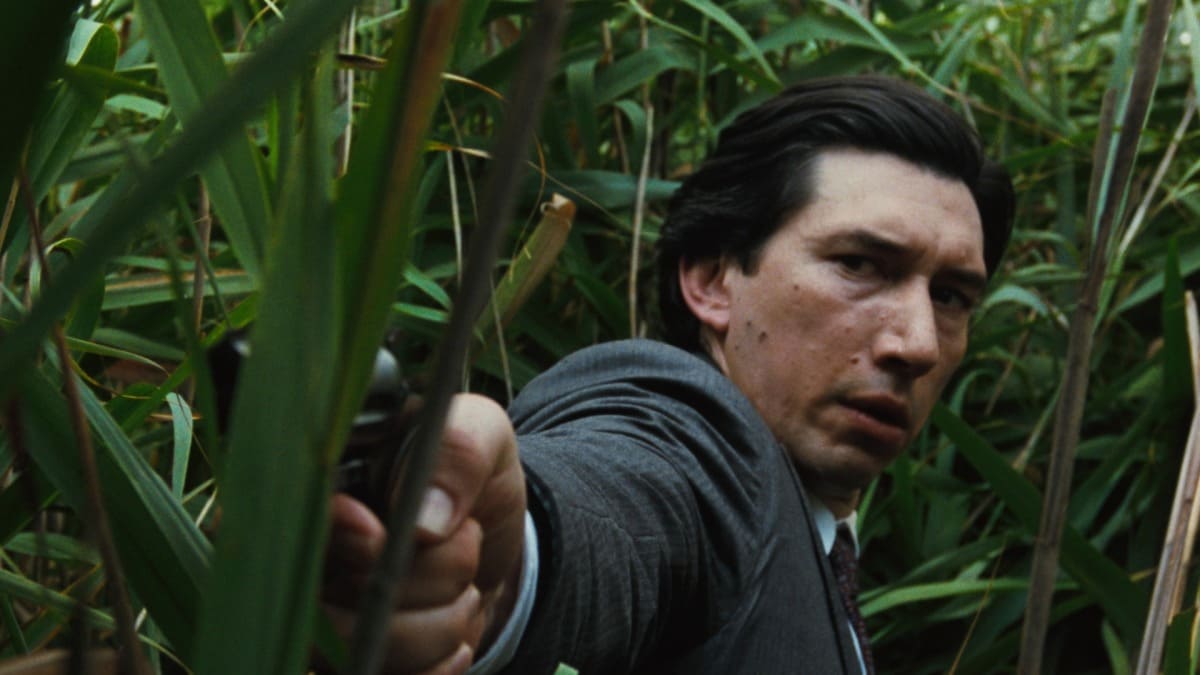
Gray's early films in Brighton Beach mirrored the gritty, pre-gentrified New York of the mid-1990s, before Giuliani's administration embarked on a campaign to modernize the city. Today, as financial pressures rise and uncertainty looms, Gray's stories of struggling families resonate more deeply. Paper Tiger, set in the 1980s, follows a father, Miles Teller, who becomes entangled in an illicit business scheme orchestrated by his ex-cop brother, Adam Driver.
The film's plot, set against the backdrop of Gowanus Canal, mirrors today's affordability crisis in New York, where the cost of living continues to soar.
However, there is a glimmer of hope akin to the city's past struggles and triumphs. Just as Ed Koch and Fiorello La Guardia led New York through crises in the past, Zohran Mamdani's new administration holds promise. The 1980s, depicted in Paper Tiger, saw a recovering population after white flight and a booming stock market after the economic slump and high gas prices of the 1970s.
Yet, the film also explores themes of isolation and mistrust, as the characters find themselves increasingly disconnected from their community and each other. Despite the presence of social media, isolation remains a prevalent issue even in crowded spaces.
Southern Brooklyn, with its industrial areas and historical significance, offers a stark contrast to Manhattan's bustling center. These neighborhoods, once a refuge, now present a tense duality - a place to escape yet also a source of fear. Gray's vision of Brighton Beach is far from idyllic; it's a place of snarls and shadows, mirroring the city's struggle with affordability and trust.
Despite its gritty depiction, Paper Tiger remains a hopeful reminder of New York's resilience and the enduring bonds of family, even in the face of adversity.
Written by urgent.news from The A.V. Club's reporting — not their text. Machine-written — may contain errors; check the original before relying on it.