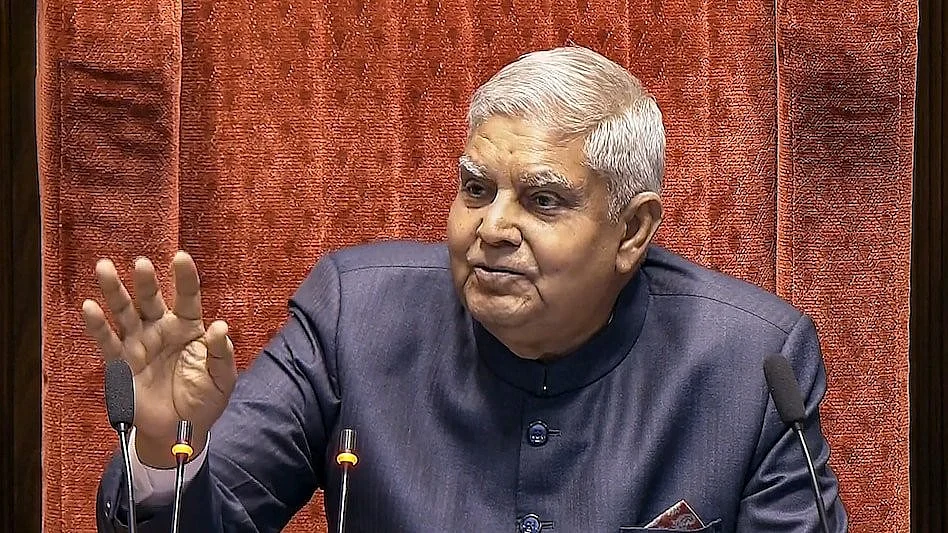
The election we celebrated, the women we forgot - South Africa's gender transformation in reverse
While South Africa's 2024 elections ushered in a new democratic coalition era, female political representation suffered a significant decline, highlighting the urgent need for legislated gender parity.
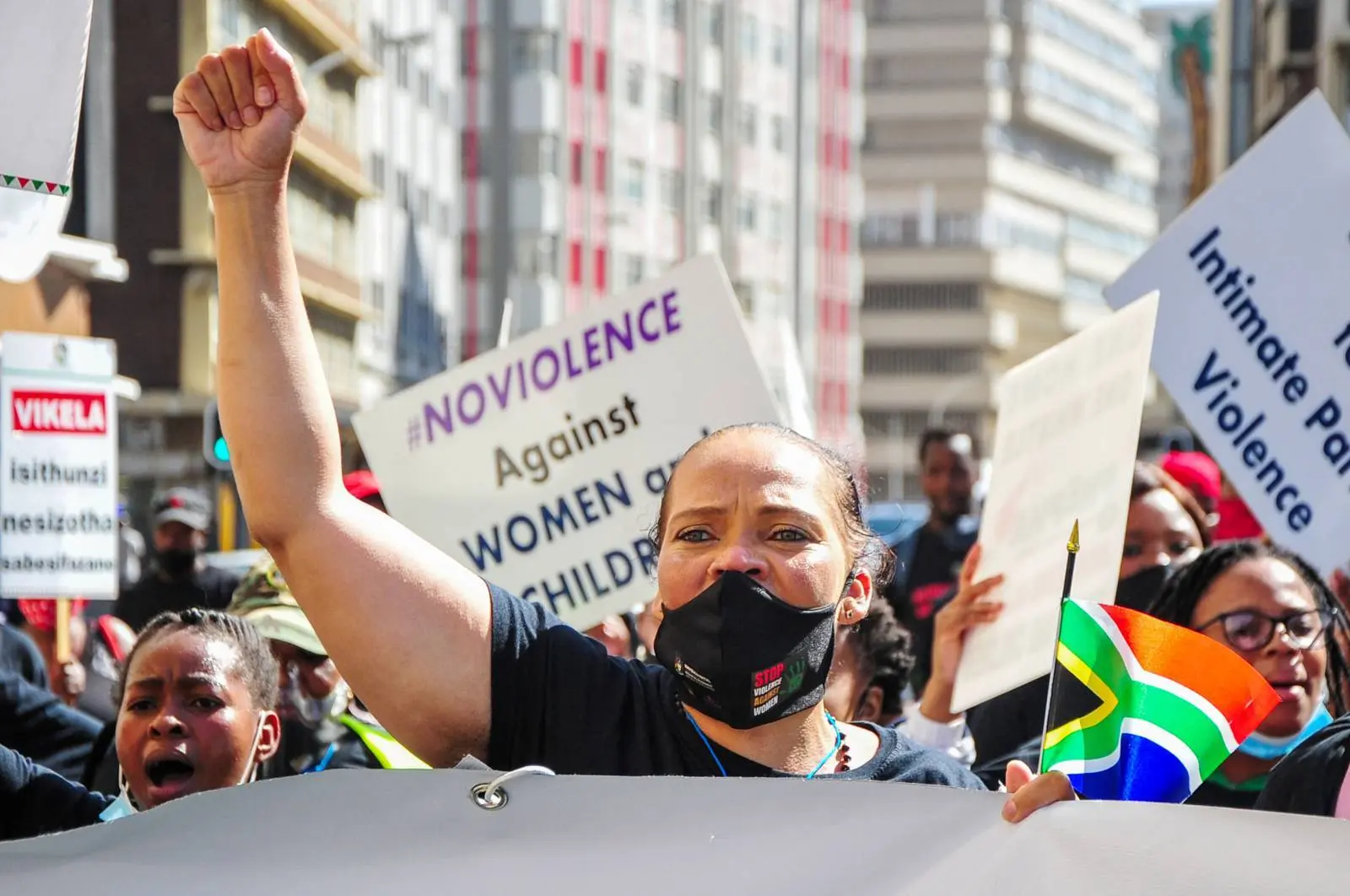
South Africa's private household employment sector is experiencing a decline, despite the formal economy recording significant job growth in the third quarter of 2026. According to Statistics South Africa's latest Quarterly Labour Force Survey (QLFS), employment in private households decreased by 87,000 over the past year, accounting for a 7.9% fall.
This trend is particularly pronounced for domestic workers, with their numbers dropping by 48,000 year-on-year, leading to a 5.6% reduction to approximately 800,000 in the third quarter. This marks a stark contrast to the formal sector, which added 268,000 jobs during the same period. The informal sector saw a job loss of 98,000, while private households reported a 68,000 job decline.
Despite the quarter-over-quarter improvement, the overall annual employment decrease remains, with South Africa having 215,000 fewer employed people in the third quarter compared to a year ago. Consequently, the official unemployment rate slightly increased from 33.6% to 33.7%, with the number of unemployed people rising by 97,000 to 8.6 million.
However, the QLFS does not provide insights into the reasons behind the contraction in private-household employment.
Written by urgent.news from IOL's reporting — not their text. Machine-written — may contain errors; check the original before relying on it.
This story
This is one outlet's version. Read the fullest account.