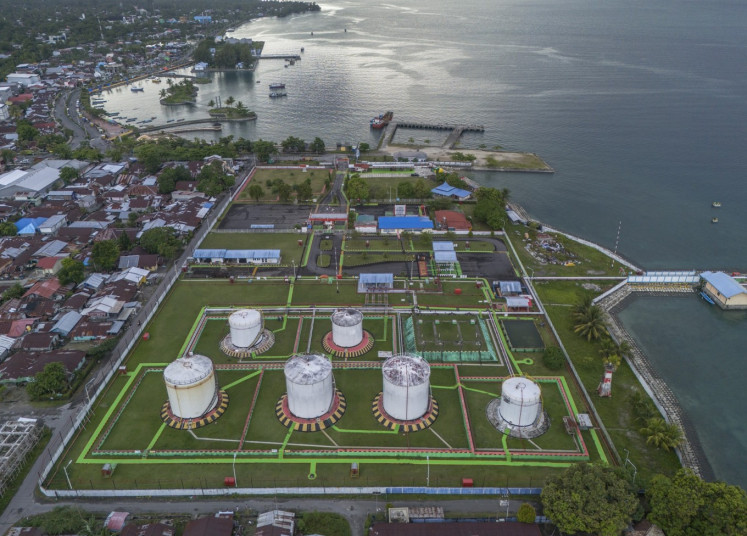
The 2026 be prepared wave: why it feels like the end of the world
When a seasonal flood warning in Kuala Lumpur and an all-hazards resilience campaign in London drop in the exact same fortnight, when 30 nations urge for preparedness, digital platforms turn it into a blockbuster movie trailer causing some to panic.
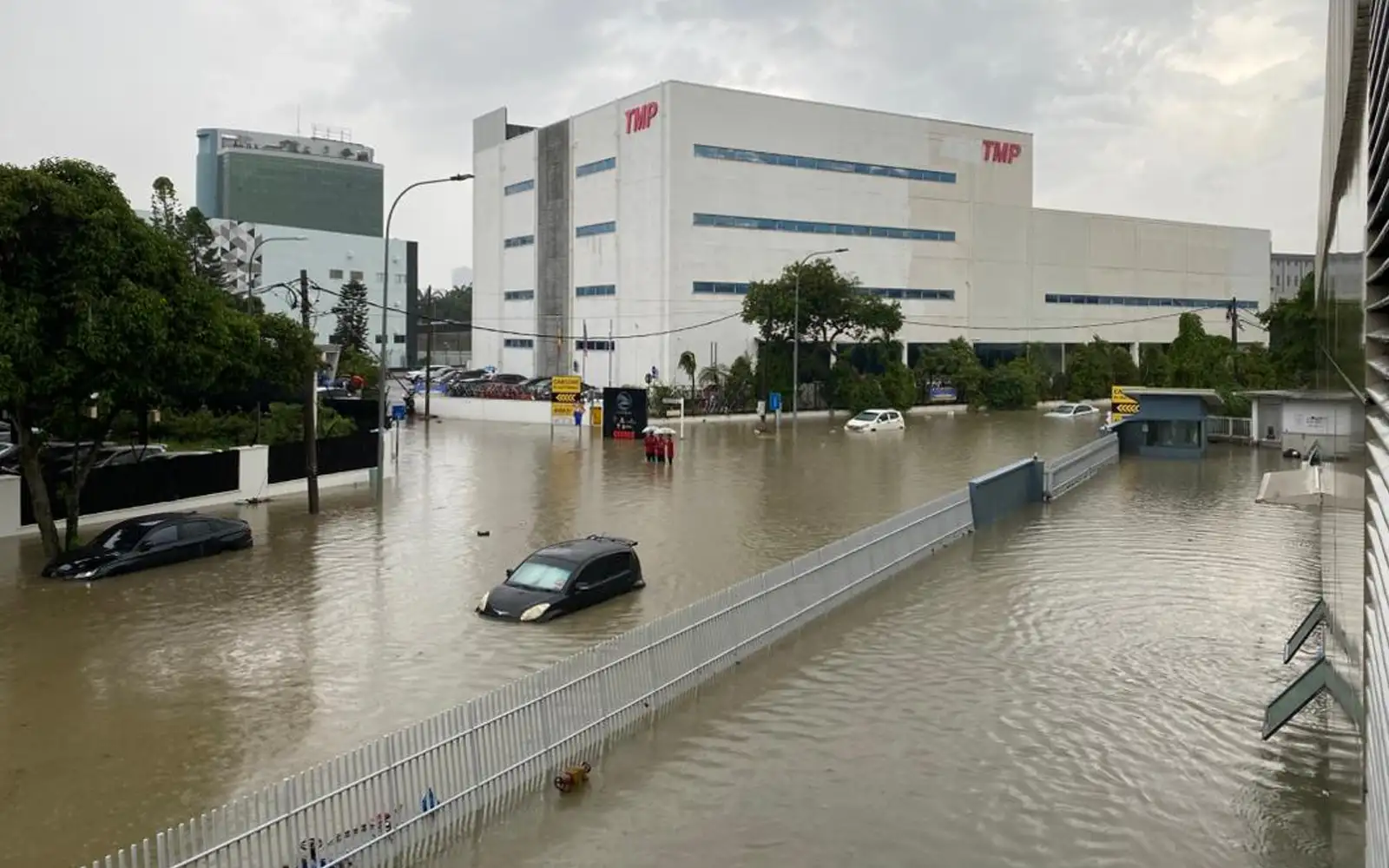
One could be forgiven for thinking the world is on the brink of an apocalyptic end, with people hastily stockpiling supplies in preparation for a Mad Max-style society. This notion is fueled by over 30 countries issuing "be prepared" warnings, causing preppers to rush into frenzied buying sprees. The world seems more dangerous due to ongoing global conflicts, extreme weather events, and the constant bombardment of information through social media.
The rapid spread of crises on these platforms creates a false sense of impending doom. When several nations simultaneously release similar advisories, digital platforms turn it into a sensationalized narrative. Governments are not warning of an impending apocalypse; rather, they are taking precautions due to the interconnectedness of modern societies, which makes them vulnerable to disruptions.
While some people have taken to social media to advocate for panic buying, government officials have urged the public to buy supplies gradually and avoid panic, as this could create shortages and exacerbate the problem. These advisories are not a sign of impending martial law or catastrophic events; instead, they represent a necessary part of living in a complex world.
By preparing in a calm and rational manner, individuals can protect themselves from minor disruptions while maintaining the overall stability of society.
Written by urgent.news from Free Malaysia Today's reporting — not their text. Machine-written — may contain errors; check the original before relying on it.
This story
This is one outlet's version. Read the fullest account.
- The 2026 be prepared wave: why it feels like the end of the world freemalaysiatoday.com